


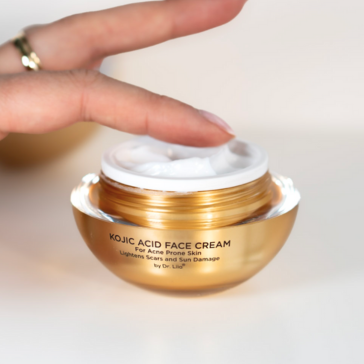
In an age where the list of skin care ingredients reads more like a science experiment than a recipe for glowing skin, a growing concern has emerged among consumers: the presence of food allergens in skin care products. As we become more careful about what we put on our skin, it’s important to recognize that the very ingredients meant to nourish and protect can sometimes do more harm than good. This blog explores the hidden culprits lurking in your skincare routine—food allergens. By understanding these substances and their potential effects, we can make conscious choices to ensure the health and well-being of our skin.
Understanding food allergens in skin care
At the heart of many skin care formulas are ingredients derived from natural sources, including food products. These substances, known as food allergens, can cause adverse reactions in people with specific sensitivities. From the creamy almond oil in your moisturizer to the soy proteins in your face mask, what’s beneficial for some may be problematic for others. Common food allergens found in skin care include gluten, tree nuts, soy and dairy. Identifying these ingredients on product labels is the first step in protecting your skin from unwanted allergic reactions.
Now, let’s dive deeper into the effects of allergens on the skin and how to identify problematic ingredients in your skin care products.
The skin’s reaction to allergens
When your skin encounters a substance it perceives as a threat, the immune system is activated, resulting in an allergic reaction known as contact dermatitis. This condition manifests itself on the skin in various ways, such as itching, redness and swelling. In more severe cases, blisters or hives may appear, signaling a strong reaction to the allergen. These symptoms are your body’s way of signaling that a certain ingredient doesn’t agree with your skin. Understanding these signs and learning to relate them to recent product use can help identify the offending allergen. Additionally, anecdotal evidence and dermatological studies underscore the importance of recognizing and avoiding these factors to maintain skin health.
Identification of problematic components
Navigating the world of skincare ingredients can be daunting, especially when you’re trying to avoid potential allergens. The first line of defense becomes capable of reading product labels. Ingredients are listed in descending order of concentration, but even traces of an allergen can cause a reaction in sensitive individuals. Look out for scientific and alternative names for common allergens. For example, “tocopherol” may be derived from wheat germ oil, posing a risk to those with gluten sensitivity.
To reduce the risk of an adverse reaction, perform a patch test by applying a small amount of the product to an inconspicuous area of your skin, usually the inner arm, and watching for any signs of irritation for 24 to 48 hours. This practice is especially important for products containing ingredients known to be common allergens.
Additionally, educating yourself about the types of products that are most likely to contain food allergens (such as organic or “natural” skin care lines) can help you make safer choices. When in doubt, consulting a dermatologist or skin care professional can provide personalized advice and recommendations based on your specific skin needs and sensitivities
Let’s continue our exploration of how to navigate skin care with food allergies, focusing on safe skin care practices and the future of allergen-free skin care.
Safe skin care practices for sensitive skin
For people with sensitive skin or known allergies, adopting a skin care routine that minimizes the risk of adverse reactions is crucial. Here are some recommendations for maintaining a healthy, allergen-free skin care regimen:
• Choose hypoallergenic products: Many brands now offer formulations specially designed to be gentle and free of common allergens. These products are usually tested for allergic reactions and are less likely to cause irritation.
• Natural and DIY skin care: While not all natural ingredients are allergen-free, creating your own skincare products from known safe ingredients can be a rewarding way to ensure your skincare is pure and suitable for your skin type. Ingredients like oatmeal for gentle exfoliation for moisture can be good places to start.
• Routine Patch Testing: Even with careful selection, new products should always be patch-tested before regular use. Apply a small amount to the inner forearm or behind the ear and wait 24-48 hours for any signs of reaction.
• Consultation with dermatologists: In case of doubt or if you have a history of severe allergic reactions, it is recommended to consult a dermatologist. They can offer personalized advice, do allergy testing and recommend products that are safe for your specific skin concerns.
The future of allergen-free skin care
As awareness of the impact of food allergens on skin care grows, so does the demand for clearer labelling, more transparency and hypoallergenic formulations. The skin care industry is responding with several promising trends:
• Advances in skin care formulation: Innovations in science are paving the way for the development of new ingredients that mimic the benefits of traditional allergens without the associated risks. This research is vital to providing allergy-prone people with safe, effective options.
• Increased transparency and regulation: There is a growing movement towards stricter labeling laws for skin care and beauty products, like those for food products. This change would make it easier for consumers to identify potential allergens and make informed choices about their skin care.
• Development of hypoallergenic skin care lines: Recognizing the needs of users with sensitive skin, many brands are expanding their hypoallergenic offerings. These ranges are formulated without common allergens and irritants, providing safer alternatives for those with allergies.
conclusion
Understanding and avoiding food allergens in skin care is essential to maintaining healthy, reaction-free skin. By becoming adept at reading labels, performing patch tests, and choosing hypoallergenic products, people with allergies can enjoy the benefits of skin care without the risk. The future looks bright, with developments in formulation and regulations promising better safety and transparency in skin care products. By staying informed and proactive, we can navigate the complex world of skincare ingredients and find the perfect routine for our skin’s unique needs.
Have you experienced skin reactions due to food allergens in skin care? Share your story in the comments below. Your experience could help others identify potential allergens and make safer skincare choices. For more tips and updates on navigating skin care with allergies, sign up for our newsletter.
This comprehensive guide should equip readers with the knowledge and tools they need to effectively manage their skin care routines while dealing with food allergens. Would you like adjustments or additional information on this topic?
