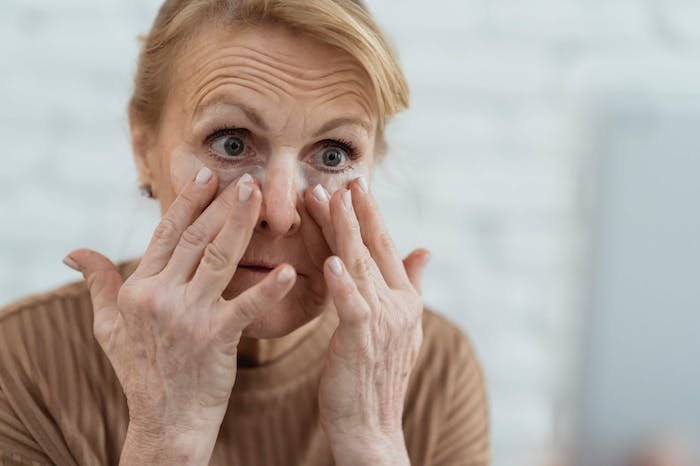
Do you suffer from overly sensitive skin?
If so, you may be worried about trying a new skincare product or wondering how your skin will react to a stressful event. You may feel like your skin is on high alert all the time and suffer from a kind of chronic stress because of it.
Let’s see what causes this type of skin disorder and how you can manage it.
What is hypersensitive skin?
Hypersensitive skin (or hypersensitive skin) overreacts to stimuli that normally do not bother other people. In a 2021 study, researchers described it as follows:
“Sensitive skin or skin sensory syndrome is defined as a skin condition that is hypersensitive to stimuli, manifested by itching, irritation, erythema and dryness.”
Scientists believe that this condition can be a manifestation of a variety of other disorders, such as psoriasis and rosacea and other chronic inflammatory skin conditions, as well as other factors such as psychological stress and immune dysfunction.
Hypersensitive skin reacts to a variety of stimuli, including the following.
Environmental Factors
Changes in weather and humidity or exposure to extreme temperatures can aggravate sensitive skin. Cold weather, for example, strips moisture from your skin, which can make it more reactive. Hot, humid weather can increase sweat and oil production, leading to redness, inflammation and irritation.
Skin care products
Ingredients in skin care products—especially those made with harsh chemicals—can irritate overly sensitive skin. Problematic ingredients include fragrances, alcohols, harsh exfoliants, retinoids, sulfates, preservatives and dyes. Even some essential oils like lavender, tea tree, and peppermint can cause reactions in some people with overly sensitive skin.
Allergies
If you are allergic to pollen, foods, certain materials, perfumes and other objects, your skin may react to them with redness, swelling, hives and rashes.
Stress
There is a direct connection between the brain and the skin, creating a pathway that sends messages back and forth. Stress also releases hormones that increase inflammation and disrupt your skin’s barrier, making you more vulnerable to breakouts.
Hormonal Changes
Hormonal fluctuations – such as those you may experience during puberty, pregnancy and menopause – can affect skin sensitivity.
Diet
Certain foods and drinks, such as caffeine, alcohol or spicy foods, can cause skin reactions in some people.
Symptoms of overly sensitive skin
Symptoms of overly sensitive skin vary from person to person, but usually include:
- Redness: Persistent redness or flushing, often caused by exposure to irritants or changes in temperature.
- Itching: This can range from the occasional itching sensation to a more constant, severe itching.
- Burning sensation: A burning or stinging sensation, especially after applying certain products or exposure to environmental factors.
- Dryness: Excessive dryness or peeling, which can worsen other related symptoms.
- Tightness: Tightness or discomfort, as if the skin is being stretched too far.
Why do I have overly sensitive skin?
As to why some people struggle with sensitive skin while others don’t, there could be many explanations.
Genetics
Susceptibility can run in families. If your parents or siblings have overly sensitive skin, you may be more likely to have it too.
Underlying conditions
Certain skin conditions such as eczema, rosacea, acne or psoriasis are associated with increased sensitivity. These conditions often lead to inflammation and a more reactive skin barrier.
Studies showfor example, that the odds of having sensitive skin are 2.5 times higher in acne patients and 3.7 times higher in psoriasis patients. Underlying immune problems can also lead to overly sensitive skin.
Medical Conditions
If you are going through an extensive illness, such as cancer, it is common for your skin to become more sensitive than it was. Medical conditions like obesity and diabetes can create the same effect.
Skin Barrier function
Sensitive skin often indicates a disrupted skin barrier. This is the outer layer that retains moisture and protects the skin from environmental aggressors. If this barrier is weak, it becomes more vulnerable to irritants.
Age
As we age, our skin loses its ability to retain moisture and repair itself as effectively. This can lead to increased sensitivity.
Lifestyle factors
Smoking, excessive alcohol consumption and a poor diet can all weaken the skin’s barrier and lead to overly sensitive skin.

Management and treatment of hypersensitive skin
You may not be able to cure your overly sensitive skin, but you can take steps to manage it and make it less likely to react. We have some tips that can help.
Simplify your skincare routine
Less is often more for sensitive skin. Stick to a basic routine of a gentle cleanser, fragrance-free moisturizer, and if needed, a mild sunscreen. Avoid using too many products or changing them too often.
We formulated our CV Skinlabs products specifically for sensitive skin. They are all fragrance free, hypoallergenic and clinically proven to help soothe inflammation, reduce redness, restore the outer barrier and promote healing. Try using the Rescue + Relief Spray as a soothing, tonic that reduces redness and itching, then follow with our Calming Moisture Lotion (for face) and Body Repair Lotion (for body) every day, twice a day.
Patch Test New products
Before applying a new product to your entire face or body, always test on a small patch of skin first. This can help you spot any potential reactions without risking a full-blown flare-up.
Choose products wisely
Look for pure beauty products that are hypoallergenic and made for sensitive skin. Helpful ingredients include aloe vera, chamomile, ceramides and glycerin. Avoid those with alcohol, synthetic fragrances and harsh exfoliants.
You can get peace of mind when you choose CV Skinlabs products. All our formulas were thoroughly researched, formulated and tested by a team of ingredient and development experts, holistic chemists, leading dermatologists and a toxicologist to ensure they worked with skin’s natural biology and helped soothe sensitive skin.
Stay hydrated
Moisture is extremely important for all skin types, but especially for sensitive skin. In addition to regularly moisturizing from the outside in, drink plenty of water to support your skin’s health from the inside out. It also helps to use a humidifier in dry climates.
Protect your skin
Use sunscreen every day to protect against UV damage, which can worsen sensitivity. Choose a broad-spectrum sunscreen with SPF 30 or higher, preferably with zinc oxide or titanium dioxide. Protect it with clothing, umbrellas and sunglasses as well.
Manage stress
Stress can aggravate sensitive skin, so try to incorporate regular stress-relieving activities into your daily routine. Good options include yoga, meditation, deep breathing exercises, journaling, and time with pets and loved ones.
You can make overly sensitive skin more comfortable
Having sensitive skin can be difficult, but understanding your causes and adopting a careful skincare routine can make all the difference. If you are struggling, don’t hesitate to consult a dermatologist.
How do you manage overly sensitive skin?
Featured image by Teona Swift via Pexels.