

Close Menu
Healthtost
  • News
  • Mental Health
  • Men’s Health
  • Women’s Health
  • Skin Care
  • Sexual Health
  • Pregnancy
  • Nutrition
  • Fitness
  • Recommended Essentials
What's Hot

Top nutrients and vitamins for skin health (supported by nutrition)

February 23, 2026

Alistair Black’s WWE Workout: The Martial Arts & Powerlifting Plan That’s Keeping Him Strong at 40

February 23, 2026

Engineers develop high-precision gene editor for safer cystic fibrosis treatments

February 23, 2026
Facebook X (Twitter) Instagram
  • About Us
  • Contact Us
  • Privacy Policy
  • Terms and Conditions
  • Disclaimer
Facebook X (Twitter) Instagram
Healthtost
SUBSCRIBE
  • News

    Engineers develop high-precision gene editor for safer cystic fibrosis treatments

    February 23, 2026

    Researchers show that red blood cells increase glucose tolerance at high altitude

    February 23, 2026

    Colorful electron microscopy reveals proteins and cellular architecture at nanoscale resolution

    February 22, 2026

    Smarter timing of cancer treatments could improve cure rates, study suggests

    February 22, 2026

    Single prenatal exposure to fungicide linked to disease in 20 generations

    February 21, 2026
  • Mental Health

    50 Inspirational Ways to Navigate Your Life by Susie Hall

    February 22, 2026

    What is medication therapy?

    February 17, 2026

    Why do I have “butterflies in my stomach”?

    February 15, 2026

    Bipolar Disorder: Why It Happens (and How to Snap It Off)

    February 12, 2026

    Exercise may be as effective as drugs for depression and anxiety – new study

    February 11, 2026
  • Men’s Health

    Can mobile apps change the way we eat?

    February 18, 2026

    Tiny particles, big impact: Toward less invasive brain stimulation

    February 18, 2026

    How to sauna: All frequently asked questions

    February 17, 2026

    The power of sprint-based exercise

    February 12, 2026

    Why Biohack? Acceptance of our Mortality

    February 11, 2026
  • Women’s Health

    Which SPF 50 formula is for you?

    February 23, 2026

    Take the step to enhance your recovery with contrast therapy

    February 22, 2026

    Who can be called a “professional”? Student Loan Policy and the Future of Black Women in Nursing

    February 21, 2026

    Don’t Get Caught in a ‘Web’ of Misinformation – Dos and Don’ts of Doing Your Diagnostic Research Online

    February 21, 2026

    From knee surgery to the ski slopes: How Ann got her life back

    February 19, 2026
  • Skin Care

    Say goodbye to Frizz with Banana & Repair Ran – The Natural Wash

    February 23, 2026

    Tropic Ambassadors | Susie Ma

    February 23, 2026

    5 daily habits that can age your skin

    February 22, 2026

    LED light therapy for acne at home: what the evidence supports (and what it doesn’t)

    February 22, 2026

    Why Melanin-rich skin loses its firmness and how to restore it – MYXCAPE

    February 21, 2026
  • Sexual Health

    Jesse Jackson opened the doors for black women in politics

    February 22, 2026

    Female Genital Mutilation in Africa: Politics of Criminalization

    February 21, 2026

    The alarming rise in bowel cancer rates in young people

    February 21, 2026

    Lessons from retail expert Nicole Leinbach Hoffman — Sexual Health Alliance

    February 20, 2026

    ACS publishes new guidelines for cervical cancer screening

    February 17, 2026
  • Pregnancy

    Labor and Delivery Schedule: Dreading Birth?

    February 23, 2026

    Why Chromosomally Normal Embryos Still Fail to Implant: New IVF Research Explains

    February 21, 2026

    Can cesarean mothers get cord blood? What to know

    February 19, 2026

    Labor & Pregnancy? the untold truths of labor during pregnancy

    February 17, 2026

    Why investing in one step can save your pelvic floor

    February 16, 2026
  • Nutrition

    Top nutrients and vitamins for skin health (supported by nutrition)

    February 23, 2026

    5 Walking Routines to Lose Body Fat and Burn More Calories

    February 22, 2026

    How to hydrate skin overnight • Kath Eats

    February 22, 2026

    Extremity weight loss devices

    February 21, 2026

    The benefits of raw cocoa

    February 20, 2026
  • Fitness

    Alistair Black’s WWE Workout: The Martial Arts & Powerlifting Plan That’s Keeping Him Strong at 40

    February 23, 2026

    Program Design – Tony Gentilcore

    February 20, 2026

    20 Useful Health Hacks That Work in 2026

    February 20, 2026

    7 Gentle Yoga Poses in Bed for Adults Over 50

    February 19, 2026

    Three unique ways to improve your functional strength

    February 17, 2026
  • Recommended Essentials
Healthtost
Home»Mental Health»Why are so many Australians taking antidepressants?
Mental Health

Why are so many Australians taking antidepressants?

healthtostBy healthtostFebruary 12, 2024No Comments5 Mins Read
Facebook Twitter Pinterest LinkedIn Tumblr Reddit WhatsApp Email
Why Are So Many Australians Taking Antidepressants?
Share
Facebook Twitter LinkedIn Pinterest WhatsApp Email

About one in seven Australians take antidepressants; more than 3.5 million by us distributed them in 2021–22. This is one of the highest Prescription rates of antidepressants in the world.

The guidelines mainly recommend antidepressants for more severe depression and worry but not as a first-line treatment for less severe depression. Less often, antidepressants can be prescribed for conditions such as chronic pain and migraine.

However, prescription rates continue to rise. Between 2013 and 2021, the rate of antidepressant prescriptions in Australia is steadily increasing by 4.5% annually. So why are so many Australians taking antidepressants and why are prescriptions increasing?

Evidence shows they are overprescribed. So how did we get here?

Enter the ‘blockbusters’ antidepressants

In the 1990s, pharmaceutical companies strongly promoted new antidepressants selective serotonin reuptake inhibitors (SSRIs), including Prozac (fluoxetine), Zoloft (sertraline), and Lexapro (escitalopram);

These drugs were thought to be less dangerous in overdose, and they seemed to be fewer side effects from the tricyclic antidepressants they replaced.

Drug companies aggressively marketed SSRIs and often exaggerated their benefits, including paying “key opinion leaders” – high level clinicians to promote them. This caused substantial development at the market.


Read more: We need new rules to define who is sick. Step 1: remove vested interests


SSRIs made billions of dollars for their manufacturers when they were patented. While they are now relatively cheap, they still prove themselves profitable due to high prescription levels.

Why are antidepressants prescribed?

The majority (85%) of antidepressants are prescribed to general practice. Some are prescribed for more severe depression and anxiety. But unlike clinical guidelines, GPs too set as first-line treatment for less severe depression.

Doctors also prescribe antidepressants for patients who experience distress but do not have a psychiatric diagnosis. A friend dealing with her husband’s terminal illness, for example, was encouraged to take antidepressants by her longtime physician, even though her caregiving capacity had not diminished. Another, who cried when she was told she had breast cancer, was immediately prescribed anti-depressants.

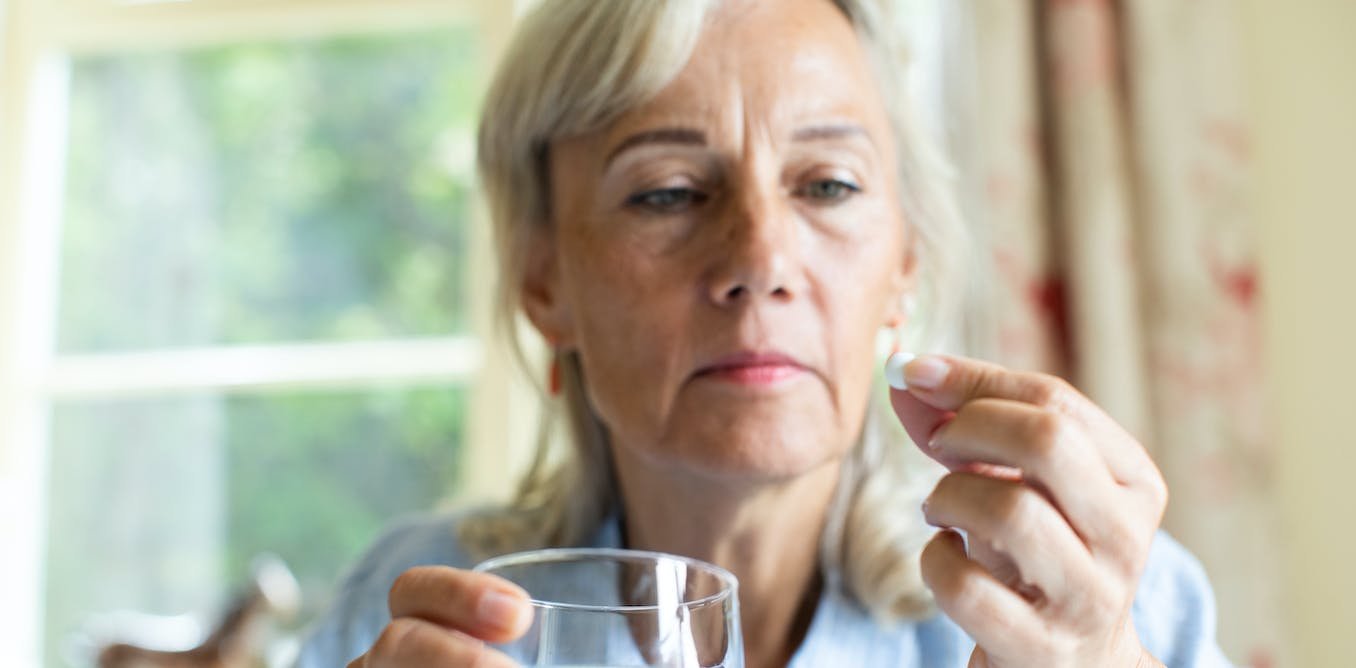
Sometimes patients who do not have a psychiatric diagnosis are given antidepressants.
Stephen Barnes/Shutterstock

There are several reasons why someone might take antidepressants when they don’t need them. A busy physician may be looking for a convenient solution to a complex and sometimes intractable problem. Other times, patients ask for a prescription. They may be encouraged by one good acquaintance experience or looking for other ways improve their mental health.

Most patients believe that antidepressants restore a chemical imbalance that underpins depression. This is it’s not true. Antidepressants are emotional (and sexual) numbing agents – sometimes calming, sometimes energizing. These effects suit some people, for example, if their emotions are too raw or they lack energy.


Read more: The chemical imbalance theory of depression is dead, but that doesn’t mean antidepressants don’t work


For others, they come with me troubling side effects such as insomnia, restlessness, nausea, weight gain. About half of users have impaired sexual function and for some this sexual dysfunction persists after stopping antidepressants.

How long do people take antidepressants?

Most experts and Guidelines recommend specific antidepressant prescription regimens, ranging from months to two years.

However, most antidepressants are consumed by two categories of people. About half of patients who start antidepressants don’t like them either stop within weeks. Of those who take them for months, many continue to use them indefinitely, often for many years. Long term use (beyond 12 months) accounts for much of the increase in antidepressant prescribing.

Some people try to stop taking antidepressants but are prevented from doing so withdrawal symptoms. Withdrawal symptoms – including “strokes”, dizziness, restlessness, vertigo and vomiting – can cause significant discomfort, reduced work function and relationship breakdown.

In 14 studies that looked at antidepressant withdrawal, about 50% of users experienced withdrawal symptoms when you come off antidepressants, which can be mistaken for a recurrence of the original problem. We conduct a overview to better understand the Australian experience of antidepressant withdrawal.

Antidepressants should not be stopped abruptly but gradually reduced, with smaller and smaller doses. Its recent Australian release Maudsley imprint instructions provides guidance on the complex regimens required to taper antidepressants.


Read more: Antidepressants can cause withdrawal symptoms – here’s what you need to know


We need to adjust how we view mental distress

The over-prescription of antidepressants is a symptom of our lack of attention to social determinants of mental health. It’s depressing to be poor (especially when your neighbors seem rich), unemployed or in a terrible workplace, poorly housed or fearful of domestic violence. It is a mistake to locate the problem in the individual when it belongs to society.

Overprescribing is also a symptom of the medicalization of discomfort. Most depression and anxiety diagnoses are descriptions masquerading as explanations. For each distressed person who fits the pattern of anxiety or depression, the meaning of their presentation is different. There may be a medical explanation, but more often than not, meaning can be found in the person’s struggle with difficult emotions, relationships, and other life circumstances, such as terrible disappointments or grief.

Physicians’ overprescribing reflects the pressures they face from workloads, unrealistic expectations of their ability, and misinformation from pharmaceutical companies and key opinion leaders. They need better support, resources and evidence about the limited ones benefits of antidepressants.

GPs should also ensure that they discuss with their patients the potential side effects of antidepressants and when and how to stop them safely.

But the fundamental problem is social and can only be properly addressed by effectively addressing inequality and changing community attitudes towards distress.

antidepressants Australians
bhanuprakash.cg
healthtost
  • Website

Related Posts

50 Inspirational Ways to Navigate Your Life by Susie Hall

February 22, 2026

What is medication therapy?

February 17, 2026

Why do I have “butterflies in my stomach”?

February 15, 2026

Leave A Reply Cancel Reply

Don't Miss
Nutrition

Top nutrients and vitamins for skin health (supported by nutrition)

By healthtostFebruary 23, 20260

Considering our skin is the first thing people see about us, it’s no surprise that…

Alistair Black’s WWE Workout: The Martial Arts & Powerlifting Plan That’s Keeping Him Strong at 40

February 23, 2026

Engineers develop high-precision gene editor for safer cystic fibrosis treatments

February 23, 2026

Say goodbye to Frizz with Banana & Repair Ran – The Natural Wash

February 23, 2026
Stay In Touch
  • Facebook
  • Twitter
  • Pinterest
  • Instagram
  • YouTube
  • Vimeo
TAGS
Baby benefits body brain cancer care Day Diet disease exercise finds Fitness food Guide health healthy heart Improve Life Loss Men mental Natural Nutrition Patients People Pregnancy protein research reveals risk routine sex sexual Skin study Therapy Tips Top Training Treatment ways weight women Workout
About Us
About Us

Welcome to HealthTost, your trusted source for breaking health news, expert insights, and wellness inspiration. At HealthTost, we are committed to delivering accurate, timely, and empowering information to help you make informed decisions about your health and well-being.

Latest Articles

Top nutrients and vitamins for skin health (supported by nutrition)

February 23, 2026

Alistair Black’s WWE Workout: The Martial Arts & Powerlifting Plan That’s Keeping Him Strong at 40

February 23, 2026

Engineers develop high-precision gene editor for safer cystic fibrosis treatments

February 23, 2026
New Comments
    Facebook X (Twitter) Instagram Pinterest
    • About Us
    • Contact Us
    • Privacy Policy
    • Terms and Conditions
    • Disclaimer
    © 2026 HealthTost. All Rights Reserved.

    Type above and press Enter to search. Press Esc to cancel.