

Close Menu
Healthtost
  • News
  • Mental Health
  • Men’s Health
  • Women’s Health
  • Skin Care
  • Sexual Health
  • Pregnancy
  • Nutrition
  • Fitness
  • Recommended Essentials
What's Hot

Hopeful climate commitment can reduce mental distress

February 3, 2026

Mental Health in the Black Community: Addressing…

February 3, 2026

Can your customers actually do what you want them to do? – Tony Gentilcore

February 2, 2026
Facebook X (Twitter) Instagram
  • About Us
  • Contact Us
  • Privacy Policy
  • Terms and Conditions
  • Disclaimer
Facebook X (Twitter) Instagram
Healthtost
SUBSCRIBE
  • News

    Hopeful climate commitment can reduce mental distress

    February 3, 2026

    The young fall behind, the old thrive

    February 2, 2026

    Simple hemiarch surgery effective for elderly patients with aortic dissection

    February 2, 2026

    Embedded Monte Carlo and deep learning improve radiotherapy QA

    February 1, 2026

    Age shapes long-term outcomes after multiarterial CABG strategies

    February 1, 2026
  • Mental Health

    Mental Health in the Black Community: Addressing…

    February 3, 2026

    Some people gain confidence when they think things through, others lose it – new research

    February 2, 2026

    3 practical ways to improve a writer’s mental health

    January 31, 2026

    Your phone is not a weakness. It’s a distraction machine. Here’s how to regain your focus.

    January 25, 2026

    Find out how you can support people with eating and substance use disorders

    January 24, 2026
  • Men’s Health

    Testicular cancer self-examination and why it could save your life

    February 2, 2026

    25-Minute Bodyweight Functional Training Program for Beginners

    February 1, 2026

    Turning everyday eggs into powerful nutrient delivery systems

    January 30, 2026

    Affordable food can be better, both for you and the planet

    January 30, 2026

    Full Body Kettlebell Complex for Strength and Muscle Definition

    January 25, 2026
  • Women’s Health

    Prenatal care in 2026: New recommendations for healthy pregnancy

    February 1, 2026

    3 Teens Quit Social Media for a Week — and Loved It

    February 1, 2026

    Exercises for Prevention, Symptoms & Recovery

    January 31, 2026

    Cómo puedo saberlo: ¿Es tristeza o depresión?

    January 31, 2026

    Over 40 Body Rebuild – How to Build Muscle and Lose Fat

    January 30, 2026
  • Skin Care

    The Perfect Nighttime Skincare Routine, Edited by About Face Aesthetics

    February 1, 2026

    Cleaners that make a difference: How to choose yours

    January 30, 2026

    How to Layer Hyaluronic Toner + Serums for G – The Natural Wash

    January 29, 2026

    How to bathe my newborn – Tropical skin care

    January 29, 2026

    SPF and Snow: Everything you need to know

    January 28, 2026
  • Sexual Health

    A guide to a comfortable cervical check with Dr. Unsworth

    February 1, 2026

    How “Bridgerton” and the Other Romances Evolved in Their Depictions of Consent

    January 30, 2026

    Extraction, gold mining and SRHR in Kenya

    January 29, 2026

    How the Wabi-Sabi Body Frame is Rewriting Body Image Therapy — Sexual Health Alliance

    January 28, 2026

    Is an HPV vaccine enough?

    January 25, 2026
  • Pregnancy

    Is it safe to drink milk during pregnancy? What to know

    January 31, 2026

    12 Expert Answers to Your Pregnancy Yoga Questions

    January 29, 2026

    Best Pregnancy and Postpartum Fitness Course 2026

    January 27, 2026

    The best baby travel products for visiting family

    January 26, 2026

    The top 3 pregnancy facials that are safe and effective

    January 25, 2026
  • Nutrition

    5 Ways You’re Sabotaging Your Metabolism

    February 2, 2026

    How to Save Money on Travel • Kath Eats

    February 1, 2026

    How low can LDL cholesterol go on PCSK9 inhibitors?

    January 31, 2026

    Signs that your body is ready to reset

    January 31, 2026

    Healthy Pakistani Recipes: Low-Oil Versions of Beloved Classics

    January 30, 2026
  • Fitness

    Can your customers actually do what you want them to do? – Tony Gentilcore

    February 2, 2026

    7 Essential Mental Health Tips for Healthy Aging

    February 2, 2026

    Beginner-friendly menopause workouts to build strength

    February 1, 2026

    Best Cereals for Weight Loss: 7 Healthy, Satisfying Choices

    February 1, 2026

    Inside the OPEX Mentorship Method Week 7: Lifestyle & Nutrition

    January 31, 2026
  • Recommended Essentials
Healthtost
Home»Mental Health»When disasters fall out of the public eye, survivors continue to suffer – a recovery professional explains how stable mental health support is critical for recovery
Mental Health

When disasters fall out of the public eye, survivors continue to suffer – a recovery professional explains how stable mental health support is critical for recovery

healthtostBy healthtostJuly 27, 2025No Comments6 Mins Read
Facebook Twitter Pinterest LinkedIn Tumblr Reddit WhatsApp Email
When Disasters Fall Out Of The Public Eye, Survivors Continue
Share
Facebook Twitter LinkedIn Pinterest WhatsApp Email

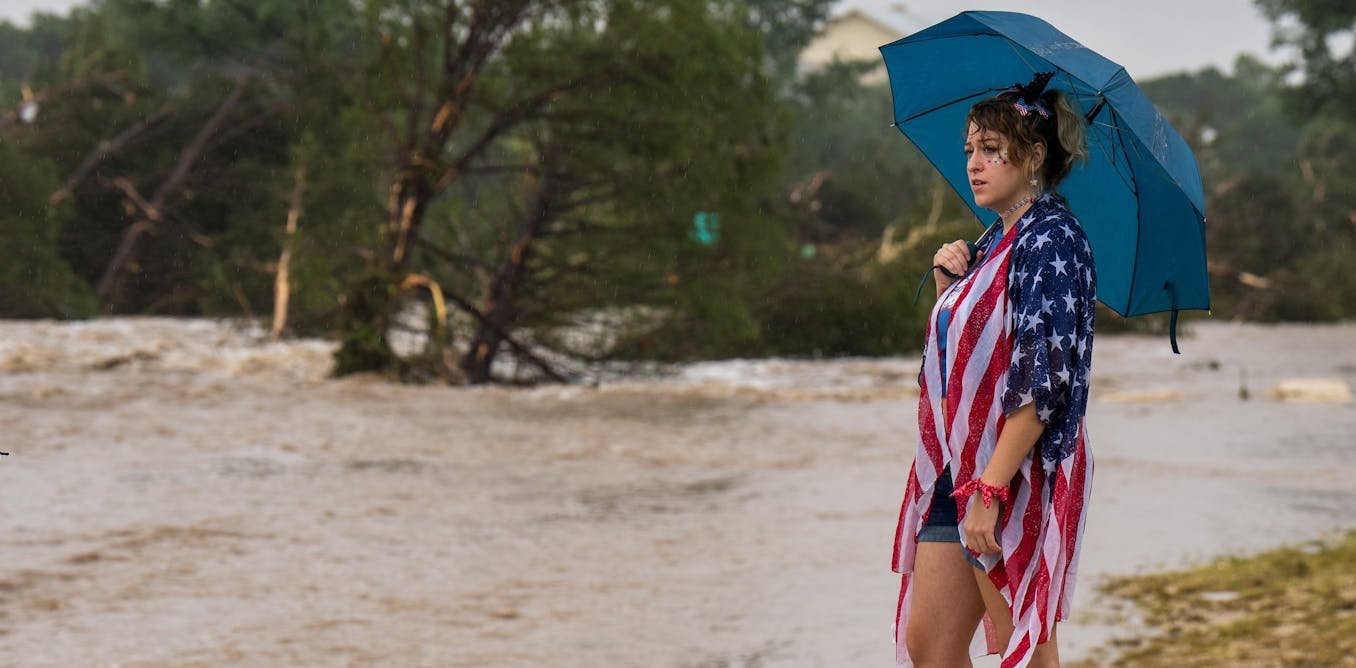
The devastating losses from historical floods at Texas Hill Country on July 4, 2025, are Still comes in gloomy focusWith a confirmation of 121 deaths and more than 100 are still missing from July 10.

As emergencies focus on clearing debris and the search for the victims, a less visible and slower disaster unfolds: the need for continuous mental health support long after the headlines are weakened.

This phase is no less critical than restoring power or rebuilding bridge. Disasters destabilize emotional prosperity, Leaving anxiety; prolonged recovery and long -term effects By passing them long after the event is completed.

Without prolonged emotional support, people and communities face increased risks of prolonged trauma and delay of recovery.

As an educator and professional he focused on disability and rehabilitation, investigate the intersection Disaster recovery and the impact of disasters on mental health. Both my research and that of others underline the vital importance of support systems that not only help people face immediately after a disaster but also to facilitate long-term healing in the months and years that follow-especially for vulnerable populations like childrenElderly adults and people with disabilities.

The emotional number of disasters

Natural disasters disrupt routines, shift families and cause people’s control and security. Immediately afterwards, survivors often experience shock, sadness, anxiety and sleep disorders. Often these symptoms may evolve into chronic stress, depression, post -traumatic stress disorder or a combination of these conditions.

A 2022 study found that Texans who experienced two or more disasters within five years had significantly poorer mental health, as reflected by lower ratings in standardized psychological evaluations, highlighting cumulative tolls. Repeated disasters can have for mental well -being.

After Hurricane Katrina destroyed New Orleans in 2005, almost one -third of survivors continued Live bad mental health years later.

And reports after Hurricane Maria in Puerto Rico in 2017 revealed increasing rates of anxiety, depression and suicidal thoughts, especially in areas where services remained unavailable for prolonged periods.

https://www.youtube.com/watch?v=-nh2wvyjfg

There are ways of action to make a difference in the recovery process.

Stretched Recovery Systems

Destruction The answer is understandable focuses on Immediate needs such as rescue workgrant post-destruction and Repair of damaged infrastructure. In addition, short -term mental health supports are often provided, such as mobile health clinics, often provided immediately after a disaster.

However, although emergency services are rapidly developing after disaster, long -term mental health support is often delayed or subjected, leaving many people without constant care during the recovery period, Especially in remote or rural communitiesexposing deep structural gaps to the way of designing recovery systems.

One year after Hurricane Harvey destroyed sections of Texas in 2017, over 90% of the residents of the Gulf coast reported ongoing stress -related stress housing instability, financial difficulties or shift. However, less than 10% of people said they had or someone in their household used mental health services after destruction.

Hurricane Helene in 2024 similarly examined the resilience of Mental Health Rural Networks in western North Carolina. The storm ruined roads and bridges; schools and even local clinics.

This prompted a news organization, News Carolina Health News, to warn of increasing “wound, anxiety and isolation” between residents as providers Offer free counseling despite legal obstacles derived from licensing requirements to provide advice to all state borders. State healthcare employees enabled Community crisis centers and aid lineWhile the mental health groups are sent from Tennessee to Help those affected by destruction. However, state representatives stressed that without long -term investment, these critical support the risk are tangible answers.

These events serve as a strong reminder that while roads and buildings can often be restored quickly, emotional recovery is a slower, more complicated process. The actual reconstruction requires the treatment of mental health with the same urgent need as natural infrastructure. This requires investment in powerful mental health recovery systems, supporting local clinics, maintaining providers and integration of emotional care into recovery plans from the beginning.

In Hunt, Texas, Governor Greg Abbott speaks to volunteers and members of the community during a press conference on July 8, 2025.
Brandon Bell via Getty Images News

Finding mental health support after destruction

Lessons from previous disasters and an abundance of research Show how stable mental health supports can help people recover and build durability.

These six courses are particularly useful in finding the necessary mental health support after destruction:

  • If you feel overwhelmed after a disaster you are not alone and the help is available. Free and confidential support is offered through resources such as Catastrophe (1-800-985-5990 or Talkwithus text at 66746), which links you to trained consultants 24/7.

  • Many communities offer local mental health crisis lines or legs that remain active after the disaster. Check the website of the county or state health department for up -to -date lists and information.

  • Even if the natural offices are closed, many clinics now offer virtual counseling or they can connect you to the therapists and the medicine that refines remotely. If you have seen someone before, ask if they are still available by phone or video.

  • After major disasters, states often develop mobile health clinics that include mental health services in shelters, churches or schools. These temporary services are free and open to the public.

  • If someone you are interested in fights, help them connect with resources to the community. Share off -line numbers, offer to help make an appointment or just let them know that it is ok to ask for support. Many people do not realize that help is available or believe that they are only for more “serious” problems. Is not.

  • Mental health support does not always arrive immediately. Keep track of local news, school updates or health notifications of new services that may be available in weeks or months after a disaster.

Disasters do not only hurt buildings. Disturb the lives in constant ways.

While emotional recovery takes time, support is available. Stay up -to -date and exchange of resources with others can help ensure that the road to recovery does not travel on its own.

Continue critical disasters explains eye fall health mental Professional public Recovery Stable suffer Support survivors
bhanuprakash.cg
healthtost
  • Website

Related Posts

Hopeful climate commitment can reduce mental distress

February 3, 2026

Mental Health in the Black Community: Addressing…

February 3, 2026

The young fall behind, the old thrive

February 2, 2026

Leave A Reply Cancel Reply

Don't Miss
News

Hopeful climate commitment can reduce mental distress

By healthtostFebruary 3, 20260

Climate concern is associated with symptoms of depression and anxiety in Finns of all ages.…

Mental Health in the Black Community: Addressing…

February 3, 2026

Can your customers actually do what you want them to do? – Tony Gentilcore

February 2, 2026

The young fall behind, the old thrive

February 2, 2026
Stay In Touch
  • Facebook
  • Twitter
  • Pinterest
  • Instagram
  • YouTube
  • Vimeo
TAGS
Baby benefits body brain cancer care Day Diet disease exercise finds Fitness food Guide health healthy heart Improve Life Loss Men mental Natural Nutrition Patients People Pregnancy protein research reveals risk routine sex sexual Skin study Therapy Tips Top Training Treatment ways weight women Workout
About Us
About Us

Welcome to HealthTost, your trusted source for breaking health news, expert insights, and wellness inspiration. At HealthTost, we are committed to delivering accurate, timely, and empowering information to help you make informed decisions about your health and well-being.

Latest Articles

Hopeful climate commitment can reduce mental distress

February 3, 2026

Mental Health in the Black Community: Addressing…

February 3, 2026

Can your customers actually do what you want them to do? – Tony Gentilcore

February 2, 2026
New Comments
    Facebook X (Twitter) Instagram Pinterest
    • About Us
    • Contact Us
    • Privacy Policy
    • Terms and Conditions
    • Disclaimer
    © 2026 HealthTost. All Rights Reserved.

    Type above and press Enter to search. Press Esc to cancel.