



Free Radicals. You may have heard of these troublemakers before. But while they can cause damage through something called oxidative stress, they’re a bit misunderstood. So we’re sharing some science-backed details like where they come from, how they work, and how they relate to the visible signs of skin aging.
Let’s take a look at what free radicals are and how you can combat their effects with a daily skincare routine that includes antioxidants.
What are free radicals?
Free radicals are unstable people which can damage body cells. What makes them so volatile? They are molecules that contain oxygen and have an unpaired electron. This single electron allows them to interact freely with other molecules, which is not always good.
Where are they coming from;
Our bodies can produce small amounts of free radicals through natural biological processes. But many times, they are triggered by an external source, such as cigarette smoke, toxins, pollutants and especially sun exposure.
What do they do to the body?
An overload of free radicals triggers a process called oxidative stress. Oxidation consists of chemical reactions that damage our cells. That’s where antioxidants come in.
Normally, Our body can combat this stress through its own antioxidant defenses. But when the ability to produce antioxidants is overwhelmed by too many free radicals, damage can occur as our bodies can’t keep up.
Common example
Let’s talk about one of the biggest culprits when it comes to free radicals: the sun. How does sunlight cause free radicals to form in your body? Too much UV radiation from the sun can overwhelm your system, causing these unstable molecules and triggering oxidative stress – AKA the process of photoaging. That reminds us — did you put on your sunscreen today?
What do free radicals do to the skin?
When free radicals neutralize our body and cause oxidative stress, it can affect the different layers of the skin. The damage shows up as fine lines and wrinkles, dull, uneven skin tone, increased dark spots, and sagging skin. Simply put – the signs of skin aging.
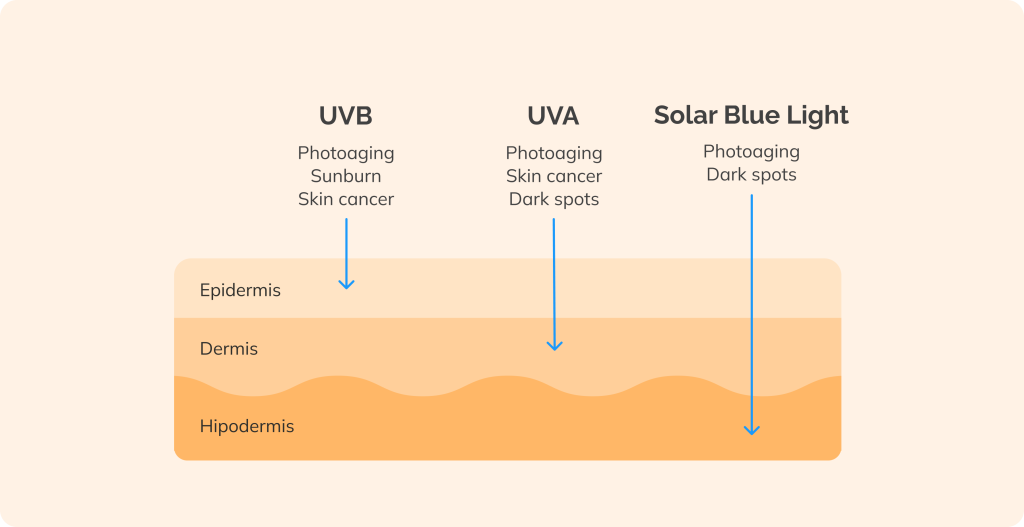
Let’s take a deeper look. Here are the notable ways free radicals and oxidative stress can affect your skin:
- Dehydration: Free radicals can cause an increase in transepidermal water loss, depleting your skin of much-needed moisture.
- An uneven tone: Damage from skin stressors can cause your skin’s natural pigmentation, melanin, to be unevenly distributed.
- Dullness: When cells have to do extra work to fight free radicals, the natural cycle can slow down.
- Loss of firmness and elasticity: The synthesis of collagen, elastin and proteoglycans slows down, weakening the structure and strength of the skin.
While the signs of skin aging are nothing to fear (we say embrace them), a constant overload of free radicals can cause more serious health concerns. So it’s best to try to avoid them where you can. How? Start with good sun protection habits and avoid smoking and other pollutants.
How can I help get rid of free radicals in my skin?
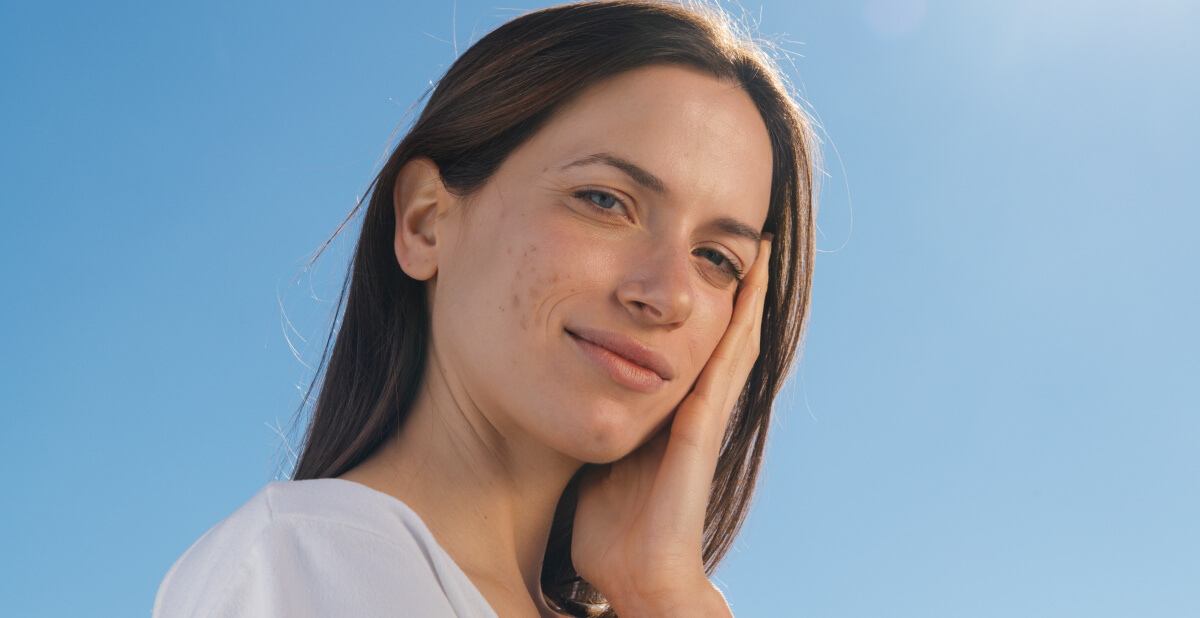
Free radicals are a natural part of everyday life. So you’ll never get rid of them completely — and that’s okay! But you can minimize your exposure and the effects.
Enter antioxidantsmall. As the name suggests, help block oxidative stress. Antioxidants are molecules that like to share – meaning they can donate an electron to a free radical and remain stable. This helps stabilize free radicals, neutralizing, delaying or helping to prevent further damage from the oxidative process.
Fortunately, our bodies produce their own antioxidants to combat the effects of sun damage, pollution and other skin aging agents (such as cigarette smoke). But, these natural repair processes they don’t work as efficiently as we age. That’s where a little extra help comes in from antioxidant skin care.
How antioxidants fight free radicals in the skin
When applied directly to the skin, they can add to your own antioxidants and help neutralizes free radicals. How do they do it? Direct antioxidants, such as vitamin C, it can “capture” free radicals before they act. In the meantime, indirect antioxidants (such as melatonin) they are responsible for damage control, repairing molecules damaged by free radicals.
Here are some of the skin benefits of all types of antioxidants:
Antioxidants help minimize the harmful effects of the sun
In the upper layer of the skin, we find keratinocytes: cells that can accumulate high concentrations of vitamin C. Together with vitamin E, this powerful pair helps protect the skin from sun damage.
They fight the signs of skin aging
When applied topically, antioxidants can help slow the processes that break down collagen and elastin—the hero proteins that give your skin its plump structure.
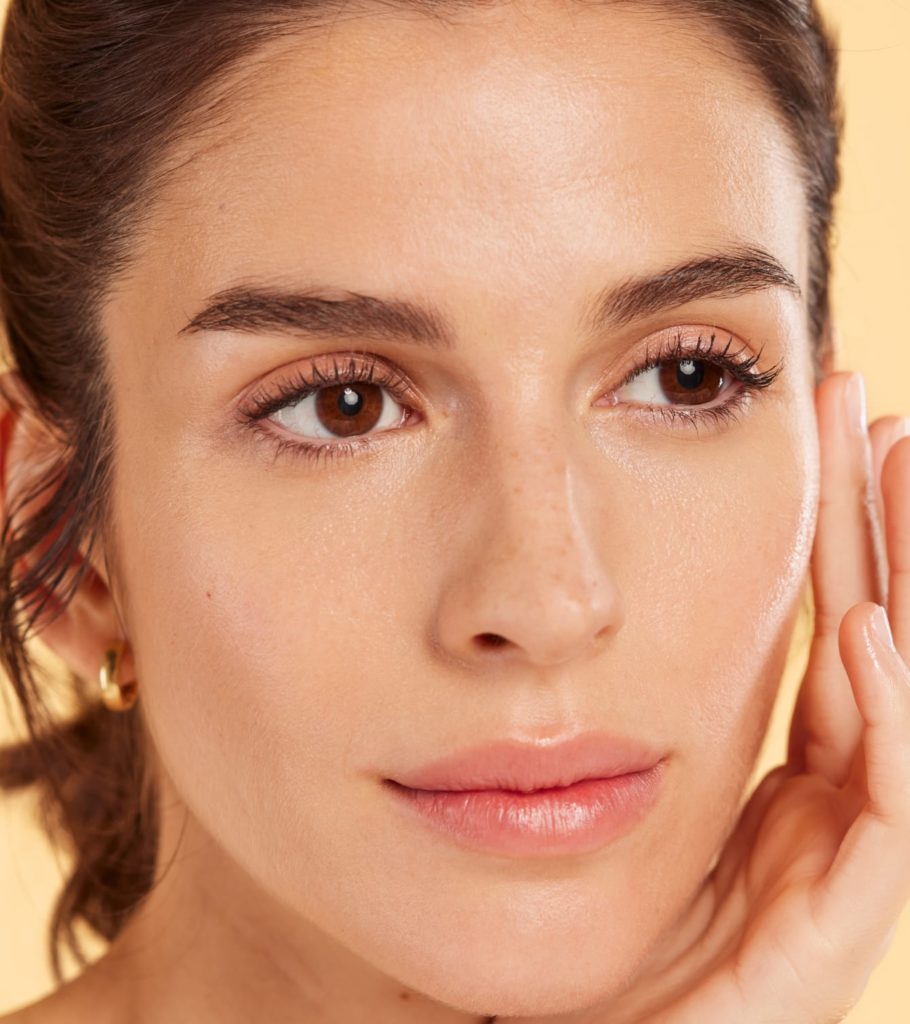
And also unify and illuminate
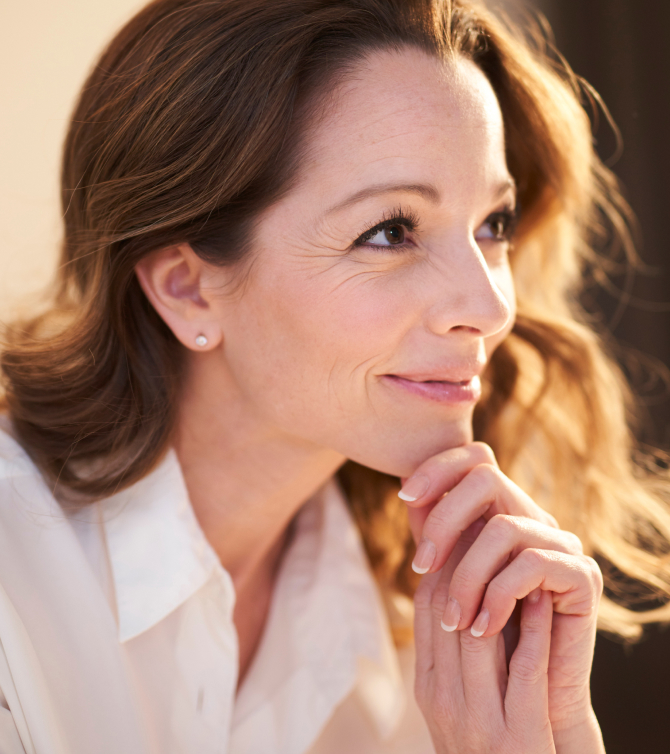
Skin discoloration? Antioxidants can help. Regular topical application helps brighten skin and even tone. Don’t forget to pair them with your favorite daily sunblock to fight dark spots.
How to add antioxidants to your skincare routine
Look for products they provide round-the-clock antioxidant care. You can include powerful antioxidant formulas in both your morning and evening skin care routine.
One of the most effective ways to get your daily dose is through serums, with their powerful blends designed to provide targeted care. Want to go the extra mile? Choose a sunscreen with antioxidants. In this way, you will help strengthen your skin’s natural defenses while protecting it.
What are some of the best antioxidants for skin?
 Vitamin C
 Vitamin C
In skin care, vitamin C acts as a powerful antioxidant to help neutralizes free radicals and protects against oxidative stress. Overall, it promotes glowing, healthy skin. Find it in Flavo-C Ultraglycan.

Vitamin B3
 Vitamin B3
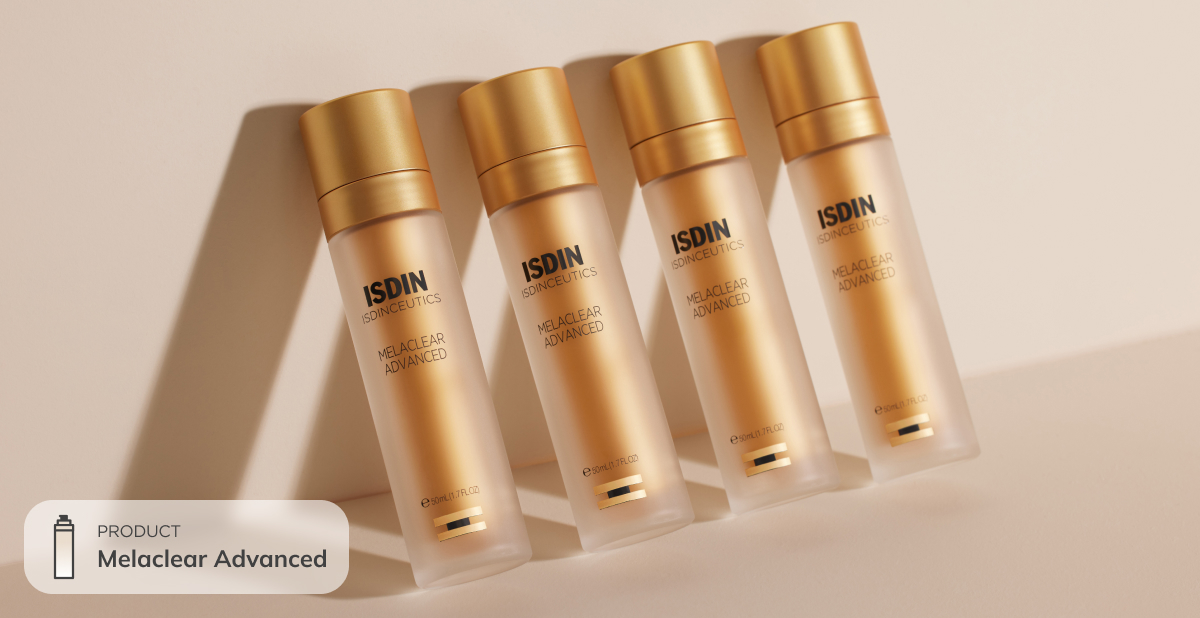
One form of vitamin B3 is better known as niacinamide, and it’s this ingredient you’ll often see in science-backed skin care. Studies have shown that Topical application can help minimize discoloration and enhance brightness. Find it at Melaclear Advanced.
Ginkgo biloba
 Ginkgo biloba
Ginkgo biloba leaf extract has a high concentration of antioxidant compounds. This powerful yet natural ingredient fights the negative effects of free radicals, helping to protect the skin from damage. Find it in Flavo-C serum.

Melatonin
 Melatonin
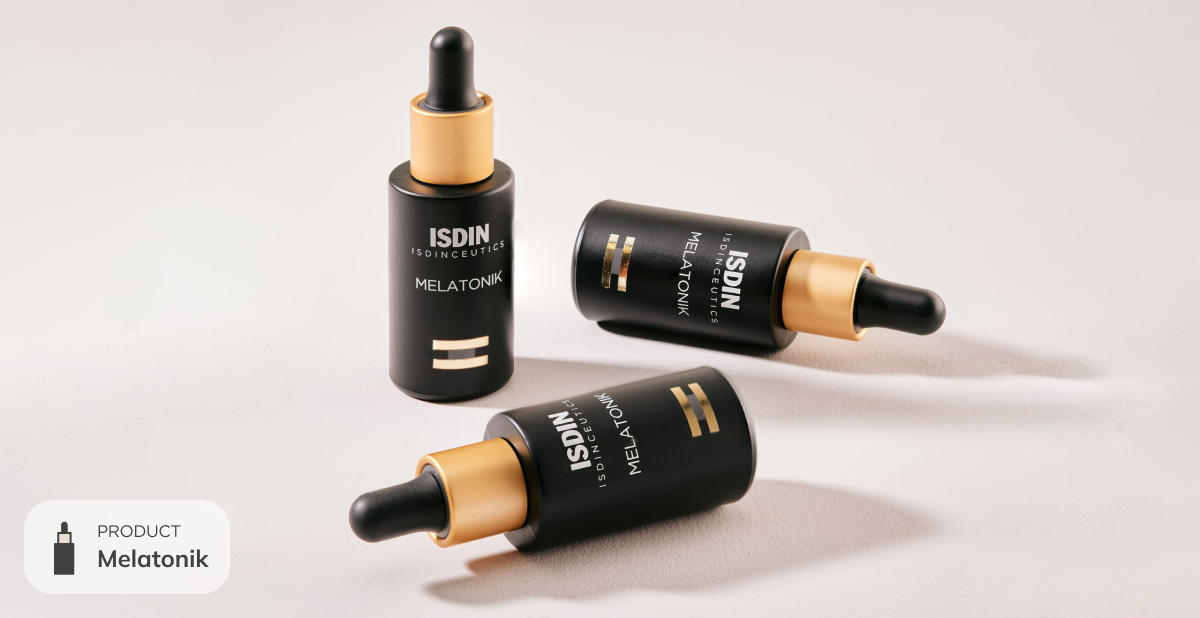
You may have heard of melatonin as the hormone that helps regulate your sleep/wake cycle. But when applied topically, it also helps to awaken antioxidant enzymes – they work blocks free radicals and repairs oxidative damage. Find it at Melatonik®.
In summary, what does free radical damage look like for your skin? During oxidation, Free radicals can damage the building blocks of healthy skin. This breakdown can damage the elastic structure of your skin from the inside out. Overall, as a result of this oxidative stress, the skin becomes thinner, rougher and loses its glow.
But the good news is that antioxidants can help. Remember that skin care is self-care — and you deserve to feel your best. And of course, always wear your sunscreen.
Bibliographical references:
- Poljšak, B., Dahmane, R. Free Radicals and Extrinsic Skin Aging. In Dermatology Research and Practice, Hindawi Publishing Corporation, Vol. 2012, Article ID 135206.
- Pai, VV., Skukla, P., Kikkeri, NN. Antioxidants in Dermatology. In Indian Dermatology Online Journal. 2014 April-June; 5(2): 210–214.
- Starr, JM., Starr, RJ. Skin aging and oxidative stress. In Aging: Oxidative stress and dietary antioxidants2014 Academic Press.
- Pullar, JM., Carr, AC., Vissers, MCM. The roles of vitamin C in skin health. In Nutrients, August 2017; 9(8): 866.
- Bissett, DL. PhD, Length, JE. PhD, Cynthia, A., Berge, BS. Niacinamide: Vitamin AB that improves the appearance of aging facial skin. In Dermatological Surgery, (2005) Vol. 31, Issue S1 (860-866).
- Fischer TW, Elsner P. The antioxidant potential of melatonin in the skin. In Current Issues in DermatolSt. 29:165-174
- Nichols, JA., Katiyar, SK. Skin photoprotection by natural polyphenols: Anti-inflammatory, antioxidant and DNA repair mechanisms. In Arch Dermatol Res. March 2010; 302(2); 71.

Editorial team
Our namesake embodies the spirit of embracing life and all its wonder. As wellness journalists, we explore topics that stimulate the senses and keep curiosity alive. We believe that glowing skin is the result of a healthy body and mind. By connecting beauty with science, we aim to inspire you to live young at every age.

Medical Communication Manager
In addition to ten years as a primary care physician, Aurora has over 23 years of experience in healthcare product development and communication, most recently in the field of dermatology. He has authored numerous publications in dermatology journals and has spoken at international health and beauty conferences. Ref.: Colegio de Medicos de Madrid numero 282840102
