

Close Menu
Healthtost
  • News
  • Mental Health
  • Men’s Health
  • Women’s Health
  • Skin Care
  • Sexual Health
  • Pregnancy
  • Nutrition
  • Fitness
  • Recommended Essentials
What's Hot

How to scientifically illuminate a – UMERE

January 1, 2026

We always knew orgasms were good for you. Now there is proof.

January 1, 2026

Study reveals gaps in information and participation in postnatal care

December 31, 2025
Facebook X (Twitter) Instagram
  • About Us
  • Contact Us
  • Privacy Policy
  • Terms and Conditions
  • Disclaimer
Facebook X (Twitter) Instagram
Healthtost
SUBSCRIBE
  • News

    Study reveals gaps in information and participation in postnatal care

    December 31, 2025

    The new method can create functional organoids from adult human adipose tissue

    December 31, 2025

    Study shows artificial intelligence can predict language success after cochlear implants

    December 30, 2025

    Bridging neuroscience and LLM for efficient, interpretable AI systems

    December 30, 2025

    Getting people to vaccinate can intensify social polarization

    December 29, 2025
  • Mental Health

    Rest is essential during the holidays, but it can mean getting active, not crashing on the couch

    December 26, 2025

    GoodTherapy Spotlight Member: Dr. Glenda Clare

    December 22, 2025

    Do you feel lonely? You are not alone: ​​Tips and resources for the holiday season

    December 22, 2025

    How to deal with anxiety this Christmas

    December 21, 2025

    5 Unusual Self-Compassion Practices

    December 15, 2025
  • Men’s Health

    Maternal microplastic exposure alters offspring metabolic health

    December 28, 2025

    All therapy is exposure therapy

    December 27, 2025

    Why men struggle with grief and loss

    December 25, 2025

    40 Minute Kettlebell Full Body Workout (Build Muscle, Burn Fat)

    December 23, 2025

    Genes and biological networks driving long-term risk of COVID

    December 21, 2025
  • Women’s Health

    Deal with end-of-year burnout and get your energy back before the holidays

    December 31, 2025

    Causes, Solutions and How VuVa Magnetic Dilator – Vuvatech

    December 29, 2025

    Is pop psychology oversimplifying our feelings and fueling harmful self-diagnosis?

    December 28, 2025

    The Power Of Resilience How Dr. Arianne Missimer redefines wellness

    December 27, 2025

    Yes, Romance can really change your sex life

    December 26, 2025
  • Skin Care

    How to scientifically illuminate a – UMERE

    January 1, 2026

    💄📜 The Secret History of Lipstick: The Wild, Weird, Allergen-Filled Past of Lip Color

    December 31, 2025

    Fire and Ice Facial: Benefits, Effects and What to Expect

    December 29, 2025

    Winter skin care for sensitive skin at every age

    December 29, 2025

    Top tips for a nourishing winter skincare routine

    December 27, 2025
  • Sexual Health

    We always knew orgasms were good for you. Now there is proof.

    January 1, 2026

    Six rituals and daily practices to help you survive 2026

    December 30, 2025

    A new podcast mobilizes digital storytelling to de-stigmatize and demystify self-administered abortion < SRHM

    December 29, 2025

    Why sexuality counselors play a critical role in men’s sexual health — Sexual Health Alliance

    December 27, 2025

    New type of Mpox diagnosed in England

    December 25, 2025
  • Pregnancy

    What Josh Allen’s words about Hailee Steinfeld reveal about pregnancy support

    December 30, 2025

    5 Gentle Ways to Get Your Newborn to Burp: A Complete Guide for New Parents

    December 28, 2025

    7 Changes in the body after pregnancy

    December 28, 2025

    Focusing on Prenatal Care and Birth History without Hospital Medicine – The Time of Birth

    December 26, 2025

    Pregnancy joint pain in winter: main causes and solutions

    December 24, 2025
  • Nutrition

    6 wellness experts share their healthy holiday traditions

    December 31, 2025

    How healthy are Baruka nuts?

    December 29, 2025

    How to let go of the old and make way for new health goals

    December 29, 2025

    Why Pakistani Spices Like Turmeric and Cumin Are Winter Immune Superfoods

    December 28, 2025

    This year, take an intuitive approach to holiday eating

    December 27, 2025
  • Fitness

    Here’s why the TRX Body Saw is such an effective exercise—and how to do it right

    December 31, 2025

    Weekly Horoscope December 29, 2025 – January 4, 2026, by The AstroTwins

    December 29, 2025

    Dumbbell Lateral Raise: Form Guide & Key Benefits

    December 28, 2025

    How to motivate yourself to have good hygiene

    December 27, 2025

    7 Surprising Benefits of Intermittent Fasting That Go Beyond Weight Loss

    December 26, 2025
  • Recommended Essentials
Healthtost
Home»Men's Health»The ketogenic diet shows promise for curbing cravings in patients with alcohol use disorder
Men's Health

The ketogenic diet shows promise for curbing cravings in patients with alcohol use disorder

healthtostBy healthtostFebruary 18, 2024No Comments4 Mins Read
Facebook Twitter Pinterest LinkedIn Tumblr Reddit WhatsApp Email
The Ketogenic Diet Shows Promise For Curbing Cravings In Patients
Share
Facebook Twitter LinkedIn Pinterest WhatsApp Email

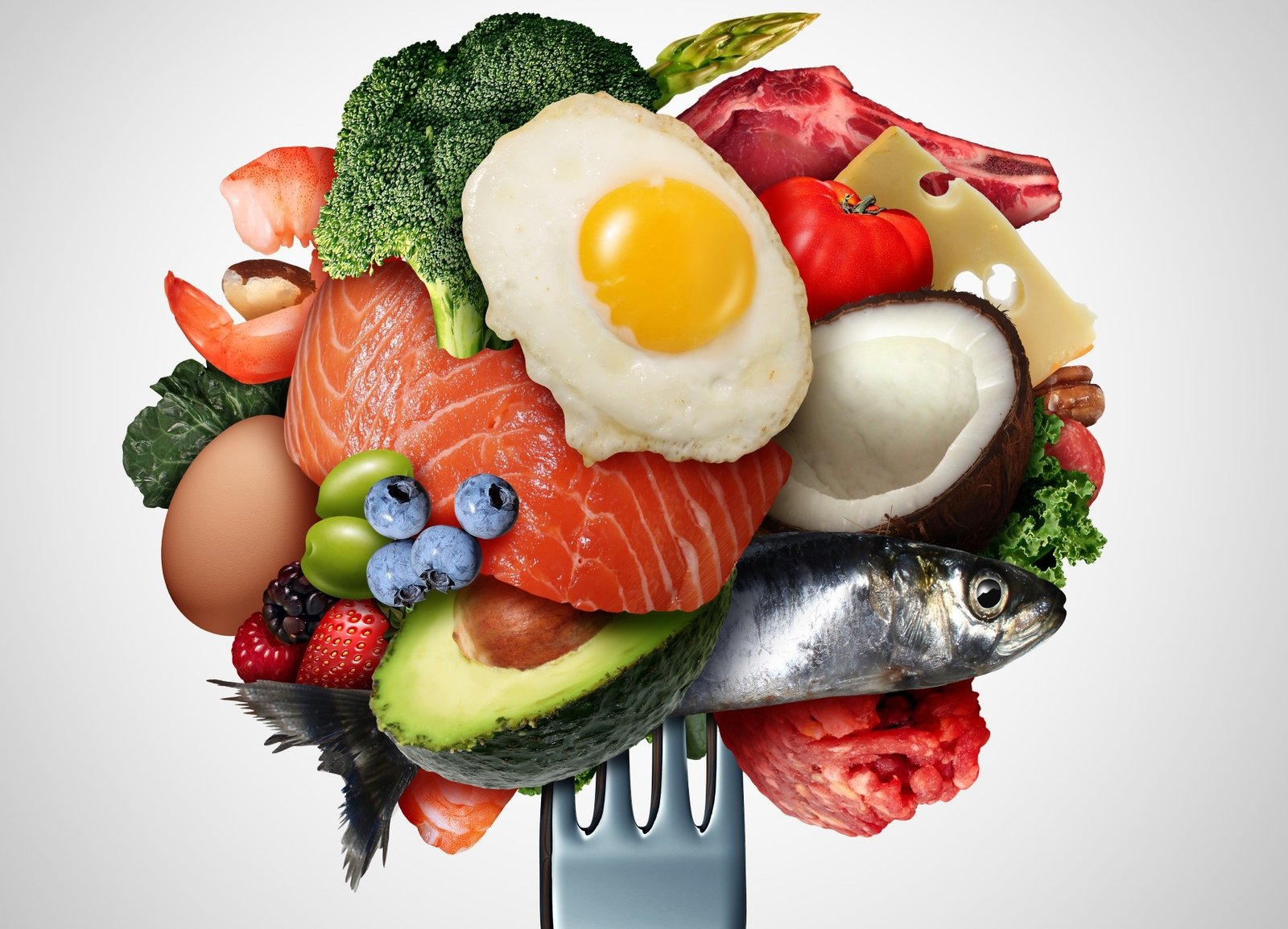
In a recent study published in the journal Frontiers in Nutritiona group of researchers investigated whether a ketogenic diet (KD) reduces the neurobiological craving signature (NCS) and self-reported alcohol craving in patients undergoing inpatient treatment for alcohol use disorder (AUD).

Study: Ketogenic diet reduces neurobiological craving signature in inpatients with alcohol use disorder. Image credit: Lightspring / Shutterstock

Record

AUD poses a major global health problem, responsible for 5% of deaths worldwide. Characterized by intense craving and continued consumption despite adverse consequences, current treatments are limited. A new approach involving a high-fat, low-carb diet shows promise by boosting brain energy, potentially reducing withdrawal symptoms and cravings. Recent studies, including research demonstrating a reduction in withdrawal symptoms and craving among AUD patients with CD, highlight its potential efficacy. Additionally, an NCS detected via brain imaging provides insight into the intensity of craving. Further research is needed to fully understand the mechanisms by which a KD affects NCS and to investigate its long-term efficacy and applicability in different AUD populations.

About the study

The present study provides a secondary analysis of functional magnetic resonance imaging (fMRI) data on alcohol reactivity, originally collected in a clinical trial, to investigate the effects of a KD versus a standard American diet (SA) in individuals with AUD. Participants, admitted to the National Institute on Alcohol Abuse and Alcoholism for up to four weeks, were randomly assigned to either diet within two days of admission. Both diets were isocaloric, ensuring that any observed effects could be attributed to diet composition rather than caloric intake.

Participants were rigorously screened to ensure they met study inclusion criteria, excluding those with MRI contraindications or serious medical conditions. The study’s dietary intervention was carefully designed, with the KD providing a 4:1 ratio of fat to carbohydrate and protein and the SA diet providing a more balanced caloric distribution. Meals were prepared by the Metabolic Kitchen Nutrition Department, ensuring precise nutritional control.

Blood ketone levels were monitored throughout the study, providing biochemical evidence of the physiological effects of the diet. Participants’ desire for alcohol was assessed using the Desire for Alcohol Questionnaire, and intelligence, drinking history, and severity of dependence were also assessed using standardized questionnaires.

MRI scans were performed at three intervals during the dietary intervention, with preprocessing and analysis tailored to explore the NCS. This involved comparing patterns of brain activation in response to alcohol versus food cues, seeking to understand how KD might modulate this neurobiological response to reduce alcohol craving.

Study results

The study showed a significant increase in serum beta-hydroxybutyrate (BHB) levels in the KD group compared to those on the SA diet, indicating successful induction of dietary ketosis. At baseline, there was no difference in blood ketone levels between the groups. However, as the study progressed, KD participants experienced a marked increase in BHB levels, peaking in the second week and declining slightly in the third week, which was attributed to minor non-adherence in some participants. In contrast, the SA group maintained low BHB levels throughout, confirming adherence to the non-ketogenic diet.

Regarding self-reported alcohol craving, measured by the Alcohol Craving Questionnaire (DAQ), there was a trend toward a decrease over time, particularly in the KD group, suggesting a possible effect of diet in reducing alcohol craving. This trend, however, did not reach statistical significance when the two dietary interventions were directly compared.

The study also assessed participants’ reactivity to alcohol cues using fMRI, revealing a decrease in wanting alcohol cues over time in the KD group, an effect not seen in the SA group. The difference between groups over time was statistically significant, underscoring the potential of KD in reducing alcohol craving in AUD patients. Interestingly, this effect was specific to alcohol cues, as no significant changes were observed in response to food cues, nor were there significant differences in valence ratings of alcohol or food cues.

A key finding of this analysis was a significant effect of dietary groups on NCS for alcohol relative to food cues, with the KD group showing lower NCS levels than the SA group, suggesting reduced neural craving in response to alcohol cues among them who had KD. However, no significant time-dependent changes in NCS were observed, indicating that the effect of KD in reducing neurobiological craving was consistent throughout the study period. Additionally, a correlation between mean serum BHB levels and NCS scores suggested a link between higher ketone levels and lower alcohol craving, aligning with the hypothesis that nutritional ketosis could modulate craving responses in AUD.

Alcohol cravings curbing Diet Disorder Ketogenic Patients promise shows
bhanuprakash.cg
healthtost
  • Website

Related Posts

Study shows artificial intelligence can predict language success after cochlear implants

December 30, 2025

Maternal microplastic exposure alters offspring metabolic health

December 28, 2025

All therapy is exposure therapy

December 27, 2025

Leave A Reply Cancel Reply

Don't Miss
Skin Care

How to scientifically illuminate a – UMERE

By healthtostJanuary 1, 20260

OUMERE’s Science Of Eye Puffiness: How To Scientifically Brighten One – OUMERE Skip…

We always knew orgasms were good for you. Now there is proof.

January 1, 2026

Study reveals gaps in information and participation in postnatal care

December 31, 2025

Deal with end-of-year burnout and get your energy back before the holidays

December 31, 2025
Stay In Touch
  • Facebook
  • Twitter
  • Pinterest
  • Instagram
  • YouTube
  • Vimeo
TAGS
Baby benefits body brain cancer care Day Diet disease exercise finds Fitness food Guide health healthy heart Improve Life Loss Men mental Natural Nutrition Patients People Pregnancy protein research reveals risk routine sex sexual Skin study Therapy Tips Top Training Treatment ways weight women Workout
About Us
About Us

Welcome to HealthTost, your trusted source for breaking health news, expert insights, and wellness inspiration. At HealthTost, we are committed to delivering accurate, timely, and empowering information to help you make informed decisions about your health and well-being.

Latest Articles

How to scientifically illuminate a – UMERE

January 1, 2026

We always knew orgasms were good for you. Now there is proof.

January 1, 2026

Study reveals gaps in information and participation in postnatal care

December 31, 2025
New Comments
    Facebook X (Twitter) Instagram Pinterest
    • About Us
    • Contact Us
    • Privacy Policy
    • Terms and Conditions
    • Disclaimer
    © 2026 HealthTost. All Rights Reserved.

    Type above and press Enter to search. Press Esc to cancel.