



Retinoids are powerful derivatives of vitamin A that are renowned for their ability to transform the appearance of skin, treating a variety of skin problems from wrinkles to acne.
Retinol often gets the spotlight among them, but it’s just one member of the larger retinoid family.
And while retinol and retinoids are often used interchangeably, it’s important to understand the differences between them.
Retinoids represent a large class of compounds derived from vitamin A, while retinol is a specific type of retinoid available in over-the-counter products.
However, since there are some critical differences between the various ingredients, in this article, I’ll dive deeper into the differences between retinol and retinoids, their benefits, skin types, and the concerns they address best.
I’ll also give a comparative look at other retinoids in skin care, along with the pros and cons of incorporating them into your routine.
What is retinol?
Retinol is a type of retinoid widely known and used in over-the-counter skin care products..
It’s a gentler yet effective option for those looking to introduce retinoids into their skincare routine without the harsh effects of stronger formulas.
Retinol promotes cell cycle and collagen production, reducing wrinkles, improving skin texture and a clearer complexion.
The benefits of using retinol
Reduces fine lines and wrinkles: Retinol is clinically proven to boost the production of collagen, a protein that helps keep skin supple and youthful and minimizes the appearance of fine lines and wrinkles.
Improves skin texture: Retinol encourages skin cells to shed and regenerate, leading to smoother, more even skin.
Treats acne: By promoting cell cycle, retinol will keep pores clear of acne-causing debris and prevent future breakouts.
Evens skin tone: Retinol helps fade dark spots, hyperpigmentation and other forms of skin discoloration by evening out skin tone.
The side effects of using retinol
Redness and irritation: One of the most common side effects of retinol is skin irritation, which can lead to redness, peeling, or peeling, especially during the first few weeks of use.
Increased sensitivity to sunlight: Retinol can make your skin more sensitive to UV rays, making it necessary to use a high SPF sunscreen daily to protect against sunburn and skin damage.
Dryness and tightness: Using retinol can lead to a feeling of dryness or tightness in the skin, which can usually be treated with a nourishing moisturizer.
Temporary increase in acne: Some users experience a “clearing” phase, in which acne gets worse before it gets better due to accelerated cell turnover.
Not suitable for pregnant or lactating women: Because of the potential risks of vitamin A toxicity to a developing fetus or nursing infant, retinol is generally not recommended during pregnancy or breastfeeding.
Who is retinol best for?
Retinol is suitable for all skin types, but may be most beneficial for those with aging skin due to its unique ability to stimulate collagen production, resulting in more youthful skin.
In addition, retinol can also be beneficial for uneven skin tone, acne scars, sun spots, and other forms of hyperpigmentation.
On the other hand, those with sensitive or reactive skin should be careful when using retinol, as it can cause redness, peeling, and irritation during the initial stages of use.
What are retinoids?
Retinoids are a family of compounds derived from vitamin A and are available in various forms, including serums, moisturizers, and ointments.
Their mechanism of action includes accelerating skin renewal, stimulating collagen production and unclogging pores, which, in turn, helps reduce signs of aging and clear acne.
The term “retinoids” encompasses a wide range of products, from mild over-the-counter options to strong prescription-strength formulas, each suitable for different skin types and concerns.
Members of the Retinoid Family
Investigation of the retinoid family reveals a variety of compounds, each with their own strengths and applications:
Retinol Esters: Like retinyl palmitate, retinyl acetate and retinyl propionate, they are the mildest and least likely to cause side effects.
Retinaldehyde: Also known as retinal, this ingredient is stronger than retinol. Offers effective antiaging and acne treatment with less irritation than prescription options.
Adapalene: Better known as Differin, adapalene is a synthetic retinoid available in over-the-counter products that target acne with minimal irritation.
Retinoic Acid: The main active ingredient in ointments such as tretinoin (Retin-A) and the most powerful topical retinoid available, known for its effectiveness in treating severe acne and signs of aging.
Isotretinoin: A prescription-only oral retinoid, also known as Accutane, used primarily to treat severe acne that has not responded to other treatments.
The benefits of using retinoids:
Smoother skin texture: Retinoids help shed dead skin cells and promote the growth of new ones, leading to smoother, more even skin.
Reduced wrinkles and fine lines: By stimulating collagen production, retinoids can reduce the appearance of wrinkles and fine lines.
Reduced acne: Retinoids unclog pores and regulate cell turnover, making them effective in treating acne.
Even skin tone: Retinoids can help reduce the appearance of dark spots, hyperpigmentation, and other forms of skin discoloration.
The side effects of using retinoids:
- Initial irritation, peeling and dryness.
- Increased sensitivity to sunlight.
- Cleansing, which occurs when skin conditions such as acne may initially worsen as the skin adjusts to the active ingredient.
- Not recommended for use during pregnancy or breastfeeding.
- In rarer cases, stronger retinoids can cause more serious side effects such as swelling, blistering and severe redness, as well as conditions such as dermatitis and rosacea.
How to choose the right retinoid?
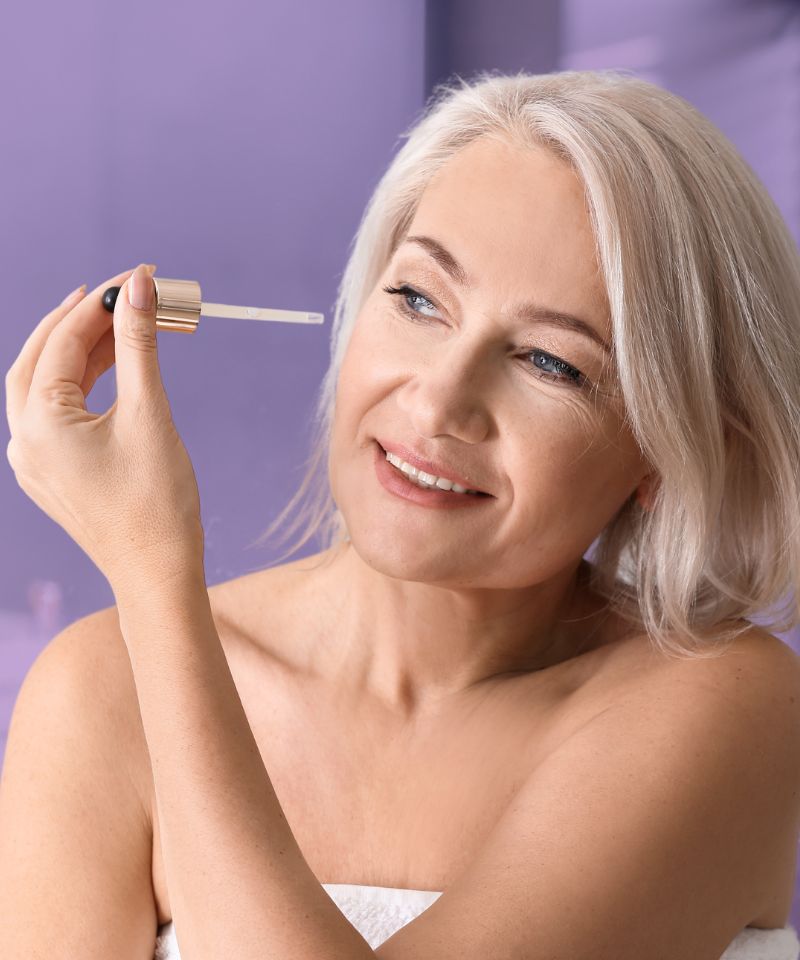
With the plethora of retinoids on the market, each with different strengths and benefits, it’s understandable to feel overwhelmed when choosing the right one for your skin care routine.
The selection process is crucial as it can determine how well your skin will tolerate and respond to the treatment.
Here are key factors to consider that will guide you in making an informed decision:
Understand your skin concerns and goals
Aging: If fighting signs of aging such as wrinkles, fine lines and loss of elasticity is your main concern, stronger retinoids such as tretinoin may provide faster and more intense results. However, for those just starting out with retinoids or sensitive skin, starting with retinol and gradually working your way up may be the best approach.
Acne: For stubborn acne, a retinoid like adapalene could be effective. It’s designed to fight acne with less irritation, making it a good choice for those with acne-prone skin.
Sensitive Skin: If you have sensitive skin, choose retinaldehyde or retinoid esters. These are less potent than prescription retinoids and less likely to cause irritation, making them suitable for people with sensitive skin or retinoid beginners.
Consider your skin type
Oily and acne-prone skin: Higher strength retinoids may be suitable as this skin type can generally tolerate stronger formulations.
Dry and Sensitive Skin: Products with a lower concentration of retinol or retinaldehyde are recommended to minimize irritation and dryness.
Ripe and sun damaged: You may need to experiment with different retinoids to find one that balances well, possibly starting with a mid-strength retinol and working your way up to tretinoin.
Evaluate the composition of the product
The composition of the product can significantly affect how your skin reacts to it.
For example, retinoids formulated in a thicker, more nourishing serum form may be better suited for dry or sensitive skin, while gel or lotion formulations may work better for oily skin types due to their lighter texture and faster absorption .
RELATED: The best retinols for all skin types
Tips for incorporating retinoids into your skin care routine
Here are some tips for incorporating retinoids into your skin care routine:
- Start with lower concentrations and gradually increase the strength as your skin acclimatises.
- Start by applying a retinoid 2-3 times a week and gradually increase the frequency as your skin acclimatises.
- Apply retinoids at night, as UV rays degrade most derivatives (with the exception of adapalene).
- Follow with a nourishing moisturizer to soothe dryness and irritation.
- Always apply a high SPF sunscreen during the day, as retinoids can make the skin more sensitive to sunlight.
The post The Difference Between Retinol and Retinoids appeared first on The Skin Care Culture.
