

Close Menu
Healthtost
  • News
  • Mental Health
  • Men’s Health
  • Women’s Health
  • Skin Care
  • Sexual Health
  • Pregnancy
  • Nutrition
  • Fitness
  • Recommended Essentials
What's Hot

Are bread and sweets toxic?

February 20, 2026

20 Useful Health Hacks That Work in 2026

February 20, 2026

Low oxygen turns red blood cells into powerful glucose sinks

February 20, 2026
Facebook X (Twitter) Instagram
  • About Us
  • Contact Us
  • Privacy Policy
  • Terms and Conditions
  • Disclaimer
Facebook X (Twitter) Instagram
Healthtost
SUBSCRIBE
  • News

    Low oxygen turns red blood cells into powerful glucose sinks

    February 20, 2026

    Vaccination rates against COVID and influenza during pregnancy remain low in Norway

    February 19, 2026

    Study reveals coffee induces distinct cytokine responses compared to pure caffeine

    February 19, 2026

    Polyploidy-induced senescence may affect aging and cancer risk

    February 18, 2026

    Researchers develop new score to predict liver cancer risk

    February 18, 2026
  • Mental Health

    What is medication therapy?

    February 17, 2026

    Why do I have “butterflies in my stomach”?

    February 15, 2026

    Bipolar Disorder: Why It Happens (and How to Snap It Off)

    February 12, 2026

    Exercise may be as effective as drugs for depression and anxiety – new study

    February 11, 2026

    Advancing the Future of Behavioral Health Data Exchange

    February 7, 2026
  • Men’s Health

    Can mobile apps change the way we eat?

    February 18, 2026

    Tiny particles, big impact: Toward less invasive brain stimulation

    February 18, 2026

    How to sauna: All frequently asked questions

    February 17, 2026

    The power of sprint-based exercise

    February 12, 2026

    Why Biohack? Acceptance of our Mortality

    February 11, 2026
  • Women’s Health

    From knee surgery to the ski slopes: How Ann got her life back

    February 19, 2026

    Is trauma therapy right for you? Signs that you may benefit from specialized care

    February 19, 2026

    Make your workouts more functional

    February 18, 2026

    Facts about Lupus and Reproductive Health

    February 17, 2026

    199: Perimenopause, Nervous System Health & How Stress Affects Your Hormones

    February 16, 2026
  • Skin Care

    Scientific Review of “Liquid Mi – OUMERE

    February 19, 2026

    How to protect your hair from chlorine (and help it recover after

    February 18, 2026

    How often should you exfoliate your skin? Health experts’ instructions

    February 18, 2026

    Clear + Brilliant in New York: The facial laser for glow, pores and even T

    February 16, 2026

    Non-toxic beauty products for a safer Valentine’s Day

    February 16, 2026
  • Sexual Health

    Lessons from retail expert Nicole Leinbach Hoffman — Sexual Health Alliance

    February 20, 2026

    ACS publishes new guidelines for cervical cancer screening

    February 17, 2026

    Why I masturbate on Valentine’s Day

    February 14, 2026

    The global Gage rule expanded

    February 14, 2026

    Can cystitis be caused by stress?

    February 13, 2026
  • Pregnancy

    Can cesarean mothers get cord blood? What to know

    February 19, 2026

    Labor & Pregnancy? the untold truths of labor during pregnancy

    February 17, 2026

    Why investing in one step can save your pelvic floor

    February 16, 2026

    Signs of labor every mom-to-be should know

    February 13, 2026

    Because the second trimester is like a deep breath

    February 11, 2026
  • Nutrition

    Are bread and sweets toxic?

    February 20, 2026

    How Athletes Can Save $200 on Groceries: High-Protein Meal Prep on a Budget

    February 19, 2026

    Do you go crazy when you don’t eat perfectly “healthy”? Consider orthorexia

    February 19, 2026

    The microbiome and therapeutic carbohydrate restriction

    February 18, 2026

    What every woman should know

    February 16, 2026
  • Fitness

    20 Useful Health Hacks That Work in 2026

    February 20, 2026

    7 Gentle Yoga Poses in Bed for Adults Over 50

    February 19, 2026

    Three unique ways to improve your functional strength

    February 17, 2026

    How to support clients without medical nutrition therapy

    February 17, 2026

    Over 1 year of actual use

    February 16, 2026
  • Recommended Essentials
Healthtost
Home»News»Low oxygen turns red blood cells into powerful glucose sinks
News

Low oxygen turns red blood cells into powerful glucose sinks

healthtostBy healthtostFebruary 20, 2026No Comments4 Mins Read
Facebook Twitter Pinterest LinkedIn Tumblr Reddit WhatsApp Email
Low Oxygen Turns Red Blood Cells Into Powerful Glucose Sinks
Share
Facebook Twitter LinkedIn Pinterest WhatsApp Email

Scientists have long known that people who live at high altitudes, where oxygen levels are low, have lower rates of diabetes than people who live closer to sea level. But the mechanism of this protection remained a mystery.

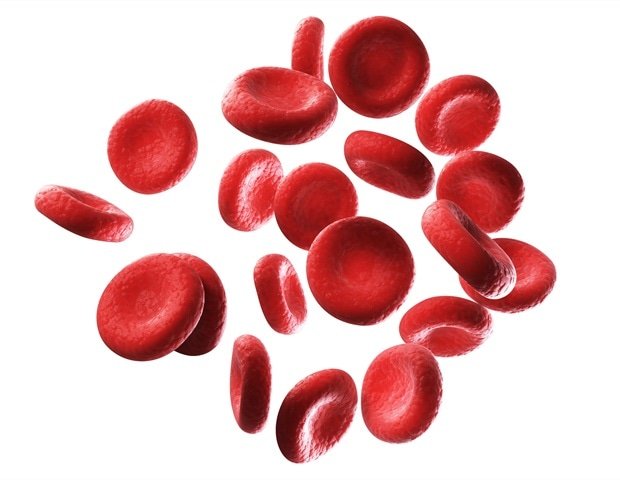
Now, researchers at the Gladstone Institutes have explained the roots of the phenomenon, discovering that red blood cells act as glucose sponges in low-oxygen conditions such as those found on the world’s highest mountain peaks.

In a new study in the journal Cellular Metabolismthe team showed how red blood cells can shift their metabolism to absorb sugar from the bloodstream. At high altitude, this adaptation fuels cells’ ability to more efficiently deliver oxygen to tissues throughout the body, but it also has the beneficial side effect of lowering blood sugar levels.

The findings solve a long-standing puzzle in physiology, says Gladstone researcher Isha Jain, PhD, the study’s senior author.

Red blood cells represent a hidden compartment of glucose metabolism that has not been appreciated until now. This discovery could open up entirely new ways of thinking about blood sugar control.”

Isha Jain, PhD, principal investigator at the Arc Institute and professor of biochemistry, UC San Francisco

The hidden glucose sink

Jain has spent years researching how low blood oxygen levels, called hypoxia, affect health and metabolism. During a previous study, her team noticed that mice breathing low-oxygen air had dramatically lower blood glucose levels than normal. This meant that the animals quickly consumed glucose after eating – a sign of lower diabetes risk. But when the researchers used imaging to track where the glucose was going, the main organs couldn’t account for it.

“When we gave the hypoxic mice sugar, it disappeared from their blood almost immediately,” says Yolanda Martí-Mateos, PhD, a postdoctoral fellow in Jain’s lab and first author of the new study. “We looked at muscle, brain, liver—all the usual suspects—but nothing in those organs could explain what was going on.”

Using another imaging technique, the team revealed that red blood cells were the missing ‘glucose sink’ – a term used to describe anything that pulls and uses a lot of glucose from the bloodstream. Cells, long considered metabolically simple, seemed unlikely candidates.

But further experiments in mice confirmed that red blood cells did indeed absorb glucose. In low-oxygen conditions, the mice not only produced significantly more red blood cells, but each cell took up more glucose than red blood cells produced under normal oxygen.

To understand the molecular mechanisms behind this observation, Jain’s team collaborated with Angelo D’Alessandro, PhD, of the University of Colorado Anschutz Medical Campus, and Allan Doctor, MD, of the University of Maryland. who has long studied the function of red blood cells.

The researchers showed how, in low-oxygen conditions, glucose is used by red blood cells to produce a molecule that helps cells release oxygen to tissues – something that is desperately needed when oxygen is scarce.

“What surprised me the most was the magnitude of the effect,” says D’Alessandro. “Red blood cells are usually thought of as passive oxygen carriers. However, we discovered that they can account for a significant fraction of whole-body glucose consumption, especially in hypoxia.”

A new way to treat diabetes

The scientists went on to show that the benefits of chronic hypoxia persisted for weeks to months after the mice were returned to normal oxygen levels.

They also tested HypoxyStat, a drug recently developed in Jain’s lab to mimic the effects of low-oxygen air. HypoxyStat is a pill that works by making the hemoglobin in red blood cells grip oxygen more tightly, preventing it from reaching the tissues. The drug completely reversed high blood sugar in mouse models of diabetes, working even better than existing drugs.

“This is one of the first uses of HypoxyStat beyond mitochondrial disease,” says Jain. “It opens the door to thinking about treating diabetes in a fundamentally different way—by recruiting red blood cells as glucose drops.”

The findings could be extended beyond diabetes to exercise physiology or pathological hypoxia after traumatic injury, notes D’Alessandro, where trauma remains a leading cause of mortality in younger populations and changes in red blood cell levels and metabolism can affect glucose availability and muscle performance.

“This is just the beginning,” says Jain. “There is still so much to learn about how the whole body adapts to changes in oxygen and how we might harness these mechanisms to treat a range of conditions.”

Source:

Journal Reference:

Martí-Mateos, Y., et al. (2026). Red blood cells serve as primary glucose sinks to improve glucose tolerance at altitude. Cellular Metabolism. DOI: 10.1016/j.cmet.2026.01.019.

blood cells glucose oxygen powerful red sinks turns
bhanuprakash.cg
healthtost
  • Website

Related Posts

Can cesarean mothers get cord blood? What to know

February 19, 2026

Vaccination rates against COVID and influenza during pregnancy remain low in Norway

February 19, 2026

Study reveals coffee induces distinct cytokine responses compared to pure caffeine

February 19, 2026

Leave A Reply Cancel Reply

Don't Miss
Nutrition

Are bread and sweets toxic?

By healthtostFebruary 20, 20260

The USDA claimed there is a “war on protein” when it released the new Dietary…

20 Useful Health Hacks That Work in 2026

February 20, 2026

Low oxygen turns red blood cells into powerful glucose sinks

February 20, 2026

Lessons from retail expert Nicole Leinbach Hoffman — Sexual Health Alliance

February 20, 2026
Stay In Touch
  • Facebook
  • Twitter
  • Pinterest
  • Instagram
  • YouTube
  • Vimeo
TAGS
Baby benefits body brain cancer care Day Diet disease exercise finds Fitness food Guide health healthy heart Improve Life Loss Men mental Natural Nutrition Patients People Pregnancy protein research reveals risk routine sex sexual Skin study Therapy Tips Top Training Treatment ways weight women Workout
About Us
About Us

Welcome to HealthTost, your trusted source for breaking health news, expert insights, and wellness inspiration. At HealthTost, we are committed to delivering accurate, timely, and empowering information to help you make informed decisions about your health and well-being.

Latest Articles

Are bread and sweets toxic?

February 20, 2026

20 Useful Health Hacks That Work in 2026

February 20, 2026

Low oxygen turns red blood cells into powerful glucose sinks

February 20, 2026
New Comments
    Facebook X (Twitter) Instagram Pinterest
    • About Us
    • Contact Us
    • Privacy Policy
    • Terms and Conditions
    • Disclaimer
    © 2026 HealthTost. All Rights Reserved.

    Type above and press Enter to search. Press Esc to cancel.