


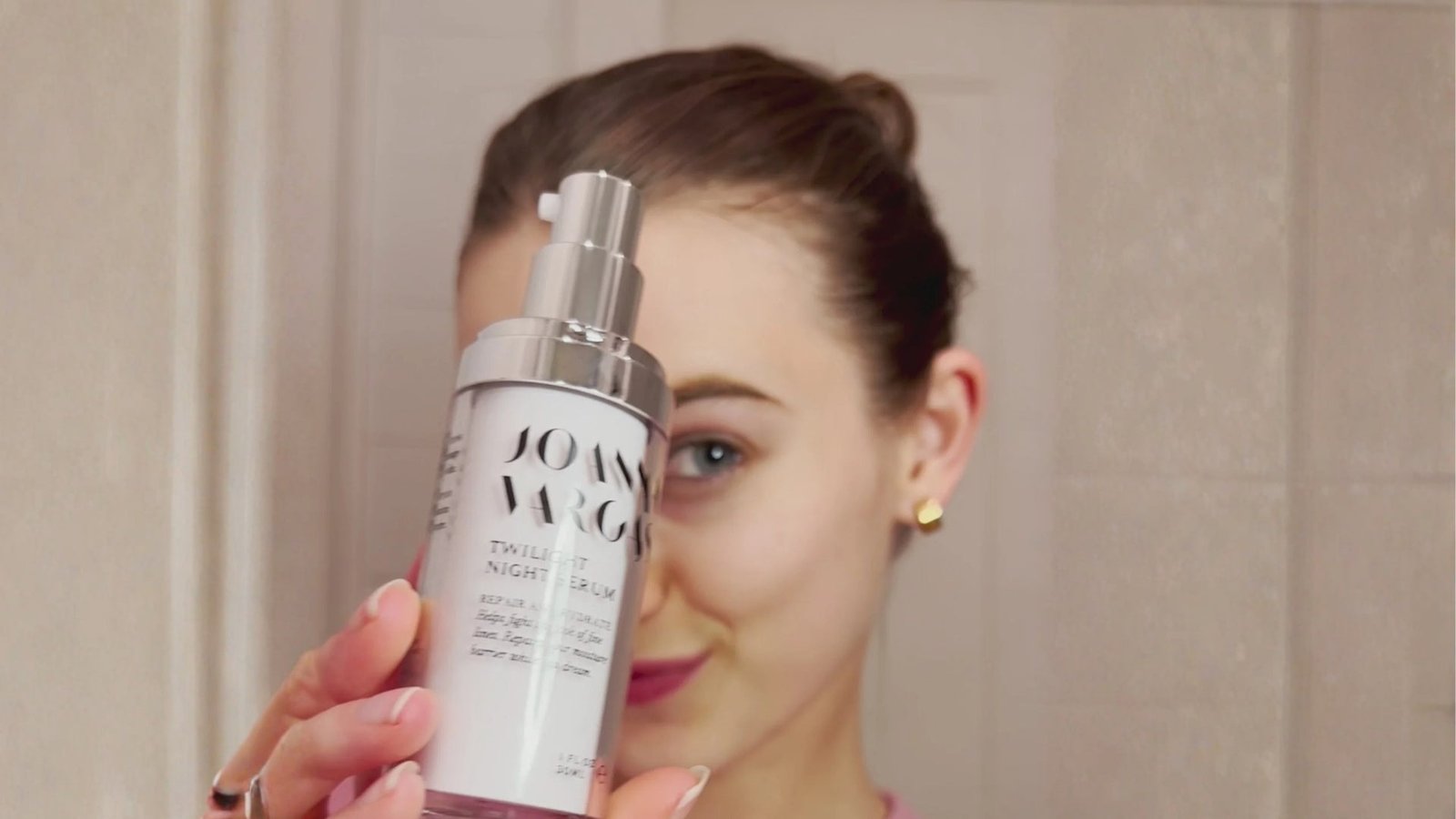
A overnight serum it’s where the most real skin change happens. Not because it’s magical, but because nighttime is when your skin is in repair mode. There is less UV radiation, less environmental stress and more opportunity for your barrier to recover and your skin to renew itself.
That being said, many people buy an overnight serum and still don’t get results. It’s usually not the serum, it’s how you use it: too many actives stacked together, the wrong frequency or no moisturizer to lock it in. Here’s how to choose an overnight serum that really works and apply it in a way that makes a visible difference.
1. What should an overnight serum do?
A good one overnight serum it should improve one or more of these without annoying you:
- Smoother texture: Skin feels more refined, makeup sits better.
- More even tone: the skin looks cleaner and more balanced.
- Hydration and bounce: Fine lines appear smoother because the skin is firmer.
- Calmer skin: less redness, less random breakouts.
If your overnight serum makes your skin itch, peel aggressively, or feel tight for days, it’s not “working harder.” It pushes too far.
2. The most common types of overnight serums (and who they’re for)
A) Retinol-based overnight serums
These are commonly used for texture, fine lines and overall skin rejuvenation. They can be effective, but they also require careful pacing.
Best for: uneven texture, early lines, dullness, breakout-prone skin that tolerates active ingredients.
B) Overnight glow serums
These focus on tone, shine and persistent dullness. They’re great when you want shine without harshness.
Best for: uneven tone, post-acne scars, dull skin.
C) Hydration and overnight support barrier serums
These are the quiet workhorses. If your skin is reactive or dehydrated, that’s often what makes everything else work better.
Best for: dryness, sensitivity, redness, barrier restoration.
Most people do best with a main “active” serum and a recovery serum that they rotate, rather than trying to use everything every night.
3. How to apply overnight serum for best results
This is the part that changes everything. Here is the method that actually works:
- Clean gently: A harsh cleanser makes even great serums feel irritating.
- Apply to slightly damp skin: not dripping wet, just comfortable. This helps in spreading and absorption.
- Use the correct amount: usually 1 to 2 pumps or a pea- to raspberry-sized amount depending on texture.
- Press, don’t rub aggressively: especially if you are sensitive.
- Follow with moisturizer: this locks in the serum and supports the barrier.
If you skip the moisturizer, your overnight serum has a lot of work to do. Hydration and barrier support are what make the results look good the next day.

4. How often should you use an overnight serum?
The frequency depends on the type of serum and your skin’s tolerance.
- Hydration or barrier serum: often at night.
- Glow Serum: 3 to 7 nights a week depending on strength and sensitivity.
- Retinol Serum: start 2 nights a week, then slowly increase as tolerated.
If you’re new to active activities, the quickest way to ruin progress is to go at night too soon. Slow and steady beats aggressive and inflammatory.
5. The biggest mistakes that block the action of a serum overnight
If your night serum is “doing nothing,” check these first:
- You are stacking too many actives: Retinol plus acids and powerful vitamin C is a common combination for irritation.
- You use it very often: Overuse leads to redness and roughness that feels like “more texture.”
- You don’t stamp it on: No moisturizer means your skin loses water overnight.
- Your cleanser removes: your obstacle never gets a chance to recover.
A good overnight routine is simple. Cleanser, serum, moisturizer. That’s all.
6. What results should you expect and when?
Most people see subtle improvements quickly and then more visible changes over time.
- After a few nights: Skin feels smoother and looks more hydrated.
- After 2 to 4 weeks: the texture looks smoother, the tone more even.
- After 6 to 8 weeks: more noticeable changes in clarity, radiance and overall skin behavior.
If you are using a stronger active serum, give it time and keep the barrier calm. That’s how you get results without the reaction.

Final thoughts
The best overnight serum it’s what you can use consistently without irritation. Choose a formula that suits your target, apply it to clean skin, seal it with moisturizer, and avoid piling on too many powerful active ingredients at once. Nighttime is where your skin does the work, your job is to make it easier for your skin to recover.
