


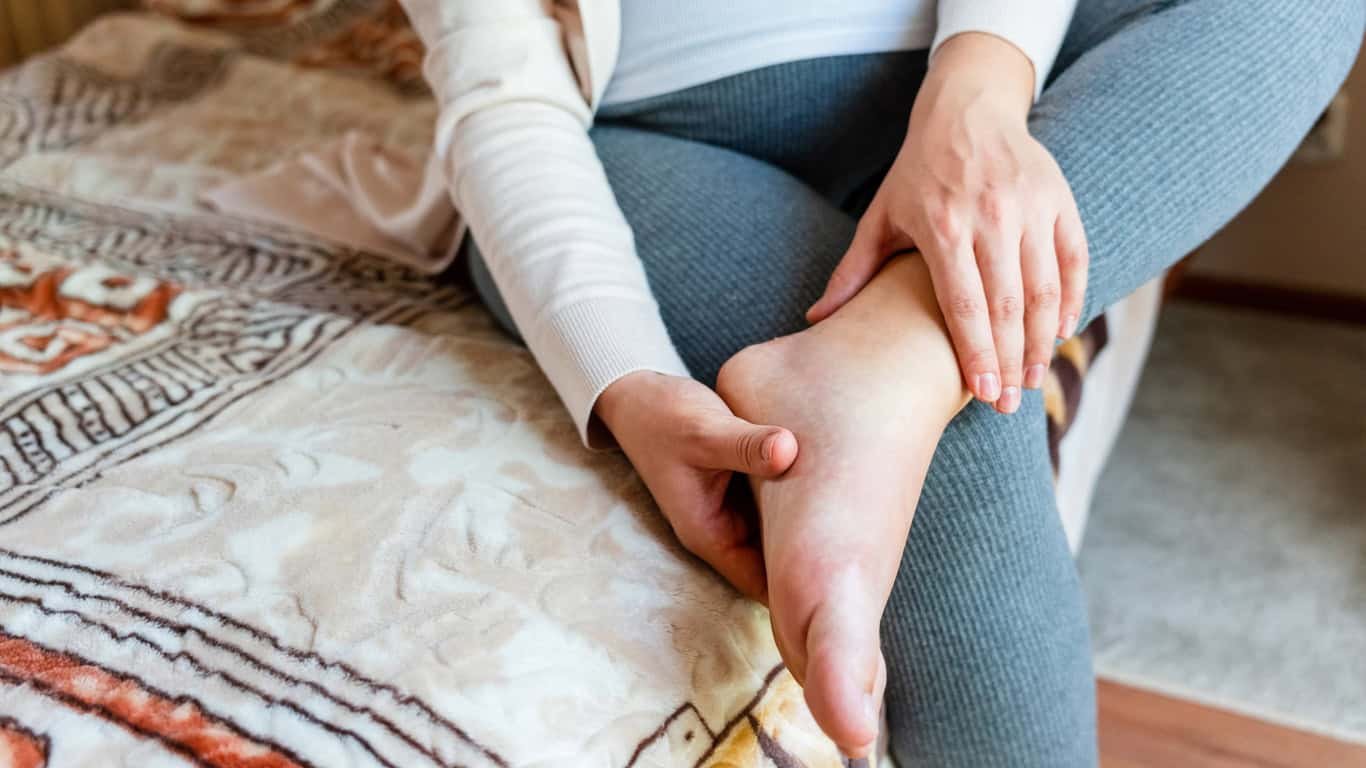
Many women talk about their pregnancy glow and feeling like they are the best version of themselves during pregnancy. However, while your growing bump, shiny hair and glowing skin are perks of pregnancy, there are less glamorous parts. Bloating in pregnancy is one such symptom that can be uncomfortable and can make you self-conscious. But is it a concern? Here, we’ll look at its causes, what it looks like, when to worry, and treatments to minimize this symptom.
Swelling in pregnancy, also called edema, can be a normal symptom of pregnancy.1 The body is designed to hold more water while you are pregnant.2 This allows it to soften and stretch to accommodate your growing baby and open up the pelvis for delivery.3 By the time you reach term completion, you’re likely to have 2-3 pounds of extra fluid.4 In addition to extra fluid, the weight and size of your growing baby and uterus can put pressure on major blood vessels, affecting circulation and causing fluid to build up in the legs and feet.1.2 Other contributing factors are hot weather, prolonged standing or sitting, dehydration and diet.1.2
You may start experiencing this symptom once your uterus reaches a size where it presses on the inferior vena cava. This may occur towards the end of your second trimester or around the fifth month of pregnancy and may persist or worsen in the third trimester.1.3 However, since a larger uterus is not the only cause, you may experience swelling at any point during pregnancy. It can appear sooner or later based on the extra fluid weight.3.4
Physiological edema occurs mainly in the lower extremities, but can also occur in the hands and face. Swollen ankles and swollen legs in pregnancy occur as a result of the accumulation of excess blood and fluid.3 Swelling that appears gradually and worsens as the pregnancy progresses is likely normal pregnancy swelling. It is also normal for swelling to worsen during the day and improve at night.2
Dimpled swelling in pregnancy, or leg swelling that remains depressed after you press on it, can also be normal. This is caused by circulation problems and increased fluid volume during pregnancy.6
Although gradual, worsening, evening swelling may be normal during pregnancy, there are times when swelling is worrisome. The biggest concern is when it appears suddenly.3 Sudden swelling of the face in pregnancy can be a sign of preeclampsia.5 In particular, excessively and suddenly swollen hands during pregnancy can be alarming. Contact your provider immediately if you experience sudden swelling, especially when accompanied by:2
- Severe headache
- Vision problems
- Chest or rib pain
- Heartburn
- Nausea or vomiting
- A general feeling of malaise

You may be wondering if this symptom is related to diet. While foods can sometimes cause swelling in pregnancy, most of the time, this is caused by extra fluid and pressure from the growing uterus.3 However, foods that can affect pregnancy bloating include:
Too much salt in the diet can contribute to pregnancy bloating. But remember that many times, this symptom is normal.1 Being aware of your sodium intake is important, but it’s usually not necessary to change your dietary intake unless your doctor recommends it.7
2. Foods and drinks with caffeine
The American Pregnancy Association (APA) recommends limiting caffeine intake during pregnancy.3 In addition to the effects of caffeine on your baby, it can also contribute to fluid retention which causes swelling.8
Similar to caffeine, simple carbohydrates can cause your body to retain excess water and fluids. Sugary drinks, processed snacks, and other foods high in sugar can contribute to pregnancy bloating.8

While salt, caffeine and sugar can increase bloating in pregnancy, there are also foods that can help you manage this unpleasant symptom. To reduce pregnancy bloating, aim to consume adequate amounts of the following:
Although it may seem counterintuitive, drinking enough water each day helps the body not retain too much extra fluid. Water helps eliminate excess swelling.1 Aim for 8-12 cups of water a day to keep you and your baby hydrated and reduce pregnancy swelling.11
2. Fruits and vegetables
Eating plenty of fruits and vegetables every day can help reduce pregnancy swelling.5 One study showed that pregnant women with a daily intake of fruits and vegetables had a reduced risk of developing preeclampsia, a condition in which swelling is a symptom.12
Adequate protein helps balance the amount of fluid in the blood relative to the surrounding tissue, which directly affects swelling. Focus on getting enough protein each day from sources like turkey, chicken, and other lean meats to help reduce excess pregnancy swelling.8
4. Vitamins and Minerals
Talk to your provider about which prenatal vitamins and supplements you should take during pregnancy. In general, a prenatal vitamin can help manage your body’s delicate fluid balance.8
The APA reports that potassium can reduce pregnancy swelling.3 Foods high in potassium include bananas, avocados, beans and sweet potatoes.8 Another study showed that preconception and calcium consumption during the first trimester may reduce the risk of preeclampsia and edema in pregnancy.9 The best source of dietary calcium is dairy products.10
In addition to diet, there are other interventions you can try to reduce your experience of this symptom:1.2
- Avoid prolonged standing and sitting.
- Change positions frequently to prevent fluid from pooling in one area.
- Elevate your legs when possible to promote blood flow back to the heart.
- Gentle exercise, such as walking, can also promote blood flow and reduce fluid retention.
Swollen legs during pregnancy can be particularly uncomfortable and unsightly. Here are some additional treatments you can try to reduce swelling in the lower extremities:
While movement and exercise, frequent position changes and leg elevation are the best ways to prevent leg swelling in pregnancy, compression socks it can gently press on your lower extremities and promote fluid return to the heart. You can find compression stockings online, at a drugstore, or at a nursing uniform store.1
Muscle movement helps compress the veins and send blood back to the heart. To reduce swollen ankles during pregnancy, try these exercises to promote circulation. In a seated position, bend and extend your legs 30 times, then rotate both legs clockwise and counterclockwise eight times each.2
Rubbing with moderate pressure and massaging the swollen areas can help redistribute fluid and aid circulation.1 Enlist your partner in a nightly foot massage, or you can even use it as an excuse to treat yourself to a pedicure!5
Soaking your feet in cool water can reduce swelling and ease pain and discomfort. Make sure the water is not ice cold as this can have the opposite effect. Soak for 20 minutes, two to three times a week, for maximum benefit.5
While you may suffer from the discomfort of pregnancy swelling or feel embarrassed about its appearance, most of the time, this symptom is considered a perfectly normal part of the journey. Unless it’s sudden and severe, you probably shouldn’t worry, but always talk to your provider about your pregnancy concerns. Although pregnancy swelling is usually normal, there are interventions (from diet to massage and more) to help manage it. Usually, this symptom goes away within a week or two after giving birth, but if it doesn’t, you should contact your provider.8 Your feet will go back to normal as you get used to your new life with your new baby!
