

Close Menu
Healthtost
  • News
  • Mental Health
  • Men’s Health
  • Women’s Health
  • Skin Care
  • Sexual Health
  • Pregnancy
  • Nutrition
  • Fitness
  • Recommended Essentials
What's Hot

World Kidney Day 2026 – Nutrition Network

March 21, 2026

Oz Escalates Medicaid Fraud Claims Against States After Focusing on Minnesota

March 21, 2026

201: Sleep Tips That Really Work | Morning routines, magnesium, meal timing and more

March 21, 2026
Facebook X (Twitter) Instagram
  • About Us
  • Contact Us
  • Privacy Policy
  • Terms and Conditions
  • Disclaimer
Facebook X (Twitter) Instagram
Healthtost
SUBSCRIBE
  • News

    Oz Escalates Medicaid Fraud Claims Against States After Focusing on Minnesota

    March 21, 2026

    “How low can you go?” The change guidelines for blood pressure control

    March 20, 2026

    Study links gut microbiome imbalance to worsening kidney disease

    March 20, 2026

    Genetic risk for Alzheimer’s disease may be modified by higher meat intake

    March 19, 2026

    Siemens Healthineers Launches Brain Health Research Portfolio With First Biomarker Tests Now Available

    March 19, 2026
  • Mental Health

    Does medicinal cannabis work for depression, anxiety or PTSD? Our study says there is no evidence

    March 20, 2026

    Anxiety and ADHD can overlap—here’s how to untangle these widespread mental health disorders

    March 16, 2026

    How Mental Health Professionals Can Earn CE…

    March 13, 2026

    what teenage girls told us

    March 12, 2026

    The tryptophan switch? Because exercise boosts your mood

    March 8, 2026
  • Men’s Health

    The Nitty Gritty About Prostate Cancer and Screening

    March 20, 2026

    Low testosterone almost broke me

    March 19, 2026

    How a dose of antibiotic can reshape your gut microbiome for years

    March 18, 2026

    Dr. Michelle Quist Ryder on Social Connection, Elements of Belonging, and Loneliness on Vacation

    March 17, 2026

    6 Lifesaving Skills Every Man Should Know

    March 17, 2026
  • Women’s Health

    201: Sleep Tips That Really Work | Morning routines, magnesium, meal timing and more

    March 21, 2026

    What is rosemary extract for hair?

    March 20, 2026

    Eliminate Your Daily Stimulant Fix! Here’s how to eat for sustained energy throughout the day

    March 19, 2026

    How Becoming a Faster Trainer Changed My Life (and 4x My Gross Income) – Sarah Fit

    March 18, 2026

    When ‘Affordable’ Means Risk: What Disastrous Health Plans Can Mean for Black Women

    March 18, 2026
  • Skin Care

    Common causes of sensitive skin and how hypoallergenic care helps

    March 21, 2026

    Facials Los Angeles: The Best Event-Ready Treatments to Book

    March 19, 2026

    Winter skincare essentials – The natural wash

    March 18, 2026

    Before Tropic had awards, an extensive range of products or millions of C – Tropic Skincare

    March 18, 2026

    How long does Jeuveau last? Comparison of results with Botox

    March 17, 2026
  • Sexual Health

    Queer Muslims find community through Ramadan

    March 17, 2026

    The law and self-administered abortion during COVID19 and beyond < SRHM

    March 16, 2026

    Can you get an STD from a sex toy?

    March 16, 2026

    Positive porn, sedentary behavior and consensual non-monogamy — Sexual Health Alliance

    March 15, 2026

    Navigating identity and sexual health as a Vietnamese immigrant

    March 12, 2026
  • Pregnancy

    Is stress in the third trimester affecting your baby?

    March 20, 2026

    Cattle Reproductive Tissue Supplement Guide – Pink Stork

    March 19, 2026

    Choosing the best online prenatal fitness instructor course

    March 17, 2026

    I’ll say it again: Don’t kiss the baby

    March 15, 2026

    The baby is listening to you! Here’s why it matters

    March 13, 2026
  • Nutrition

    World Kidney Day 2026 – Nutrition Network

    March 21, 2026

    Easy St. Patrick’s Day Cupcakes with Green Frosting and Rainbow Candy

    March 19, 2026

    Why GLP-1s change your relationship with food

    March 15, 2026

    March 2026 • Kath Eats

    March 15, 2026

    Do pomegranates live up to their health claims?

    March 14, 2026
  • Fitness

    Disney Fantasy Cruise Nassau and Lookout Cay

    March 19, 2026

    How Comparison Fuels Anxiety (and How to Break the Cycle)

    March 18, 2026

    The 5 Best Hobbies That Double as Therapy After 50

    March 17, 2026

    What is BHT in Cereals? Is it bad for you?

    March 17, 2026

    How to build a simple home gym that supports long-term healthy living

    March 15, 2026
  • Recommended Essentials
Healthtost
Home»Pregnancy»Birth Defects vs. Chromosomal Abnormalities: What’s the Difference?
Pregnancy

Birth Defects vs. Chromosomal Abnormalities: What’s the Difference?

healthtostBy healthtostDecember 22, 2023No Comments5 Mins Read
Facebook Twitter Pinterest LinkedIn Tumblr Reddit WhatsApp Email
Birth Defects Vs. Chromosomal Abnormalities: What's The Difference?
Share
Facebook Twitter LinkedIn Pinterest WhatsApp Email

Sara contacted us on the MotherToBaby live chat service after being referred by her OB/GYN, who told her that the Paxil (drug name paroxetine) she was taking could cause a heart defect. She was 14 weeks old and wanted to learn more, but she was confused because all her genetic test results had come back normal. She asked: “How could my baby have a heart defect if my NIPT was negative?”

During pregnancy, many tests are done to check your baby’s health and development. It can be hard to keep track of what everyone is searching for and why it’s important. To understand these tests, it can be helpful to know the differences between a genetic deficiency and a chromosomal abnormality and what each means for your baby’s health.

All pregnancies have a historical risk of birth defects of 3-5%, but some exposures may increase the risk of birth defects above this historical estimate. Most birth defects appear during the first trimester, while the baby is growing and developing. A certain part of the body – such as the heart, brain or limbs – may not develop properly, and the baby’s body may look or work differently than it should. You may have heard of a baby being born with a hole in the heart or something called a cleft lip. These are two examples of birth defects that can occur during pregnancy. Birth defects can range from mild to severe, and the baby’s health will depend on where the birth defect occurs and how severe the problem is.

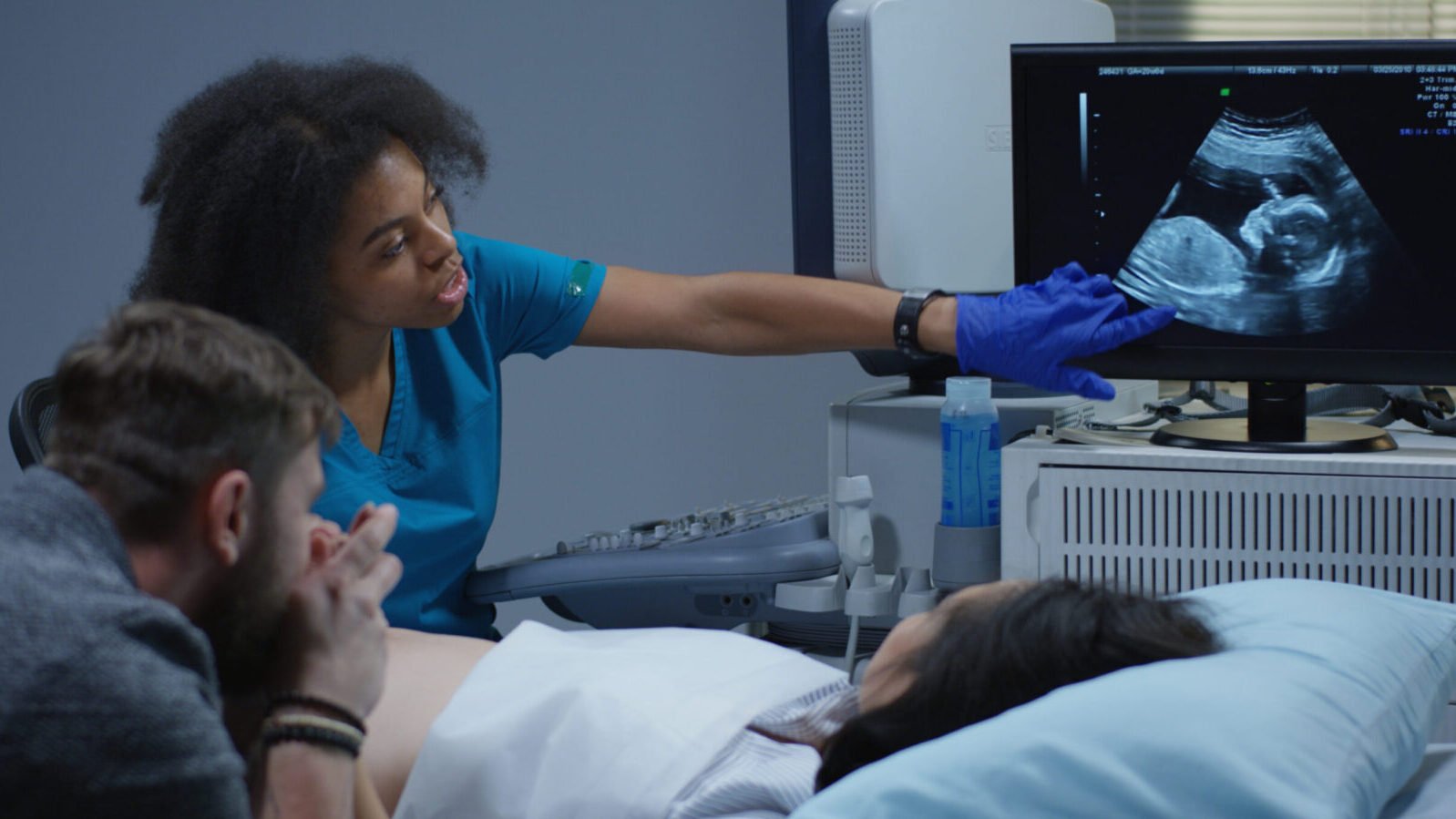
Some tests done during pregnancy can check your baby for birth defects. For example, most pregnant women will have an anatomy scan between 18 and 22 weeks where the healthcare provider will examine the baby using an ultrasound. Most people know by the time they can find out the baby’s sex, but the ultrasound will also look in detail at the baby’s organs and body parts, including the heart, brain, face and stomach, to check for birth defects. . Although this is an important screening test, it is not perfect, and smaller defects may go unnoticed until birth.

Chromosomal abnormalities are changes in the baby’s DNA that occur at the time of conception. The best way to understand DNA is to think of it as a recipe book that contains all the recipes for the growth and development of different parts of the body. If a particular recipe calls for one stick of butter, but the printed book mistakenly says two sticks of butter, the recipe will be different. Likewise, people sometimes have extra or missing amounts of DNA that can cause developmental changes. For example, people who have a chromosomal abnormality known as Down syndrome have three copies of their 21st chromosome rather than just two. It is this extra amount of DNA that causes the developmental differences in people with Down syndrome.

During your pregnancy, your healthcare provider may suggest that you meet with a genetic counselor to have non-invasive prenatal testing, or NIPT. This test can be done as early as 10 weeks. During pregnancy, some of the baby’s DNA enters the pregnant woman’s bloodstream. By taking a small sample of mom’s blood, a lab can take a look at the baby’s DNA and tell if it has certain chromosomal abnormalities, such as Down syndrome. When you meet with a genetic counselor, he or she will review all the pros and cons of this test, as well as your family history, and meet with you again to review the results.

Returning to the live chat service, Sara asked: “Because my NIPT results were normal, the baby is unlikely to have a chromosomal abnormality. However, a birth defect could still have occurred in the first trimester and I have to wait until the anatomical scan to get those results, is that right?’ Exactly, I replied. I then explained that although Paxil (paroxetine) has been shown to increase the risk of heart defects in some studies, other studies suggest no risk, so the overall chance of the baby being affected is low.

As we finished our conversation, Sara shared that she felt much more knowledgeable about the difference between a genetic deficiency and a chromosomal abnormality. She was able to breathe a sigh of relief that her NIPT results came back normal, indicating a low risk for conditions such as Down syndrome. She also felt much more confident going into her anatomy scan in a few weeks knowing that this test, while not perfect, would be the best way to detect birth defects before her baby was born.

If you have any questions about birth defects or exposures during pregnancy, talk to a MotherToBaby specialist by phone, text, live chat or email. For any questions about genetic testing in pregnancy or to find a genetic counselor in your area, visit the Find a Genetic Counselor page on the National Society of Genetic Counselors website:

Abnormalities birth Chromosomal Defects difference Whats
bhanuprakash.cg
healthtost
  • Website

Related Posts

Is stress in the third trimester affecting your baby?

March 20, 2026

Cattle Reproductive Tissue Supplement Guide – Pink Stork

March 19, 2026

Choosing the best online prenatal fitness instructor course

March 17, 2026

Leave A Reply Cancel Reply

Don't Miss
Nutrition

World Kidney Day 2026 – Nutrition Network

By healthtostMarch 21, 20260

Kidney disease is often a metabolic disease in disguise On March 12, 2026the world marks…

Oz Escalates Medicaid Fraud Claims Against States After Focusing on Minnesota

March 21, 2026

201: Sleep Tips That Really Work | Morning routines, magnesium, meal timing and more

March 21, 2026

Common causes of sensitive skin and how hypoallergenic care helps

March 21, 2026
Stay In Touch
  • Facebook
  • Twitter
  • Pinterest
  • Instagram
  • YouTube
  • Vimeo
TAGS
Baby benefits body brain cancer care Day Diet disease exercise Fitness food Guide health healthy heart Improve Life Loss Men mental Natural Nutrition Patients People Pregnancy protein research reveals risk routine sex sexual Skin Skincare study Therapy Tips Top Training Treatment ways weight women Workout
About Us
About Us

Welcome to HealthTost, your trusted source for breaking health news, expert insights, and wellness inspiration. At HealthTost, we are committed to delivering accurate, timely, and empowering information to help you make informed decisions about your health and well-being.

Latest Articles

World Kidney Day 2026 – Nutrition Network

March 21, 2026

Oz Escalates Medicaid Fraud Claims Against States After Focusing on Minnesota

March 21, 2026

201: Sleep Tips That Really Work | Morning routines, magnesium, meal timing and more

March 21, 2026
New Comments
    Facebook X (Twitter) Instagram Pinterest
    • About Us
    • Contact Us
    • Privacy Policy
    • Terms and Conditions
    • Disclaimer
    © 2026 HealthTost. All Rights Reserved.

    Type above and press Enter to search. Press Esc to cancel.