


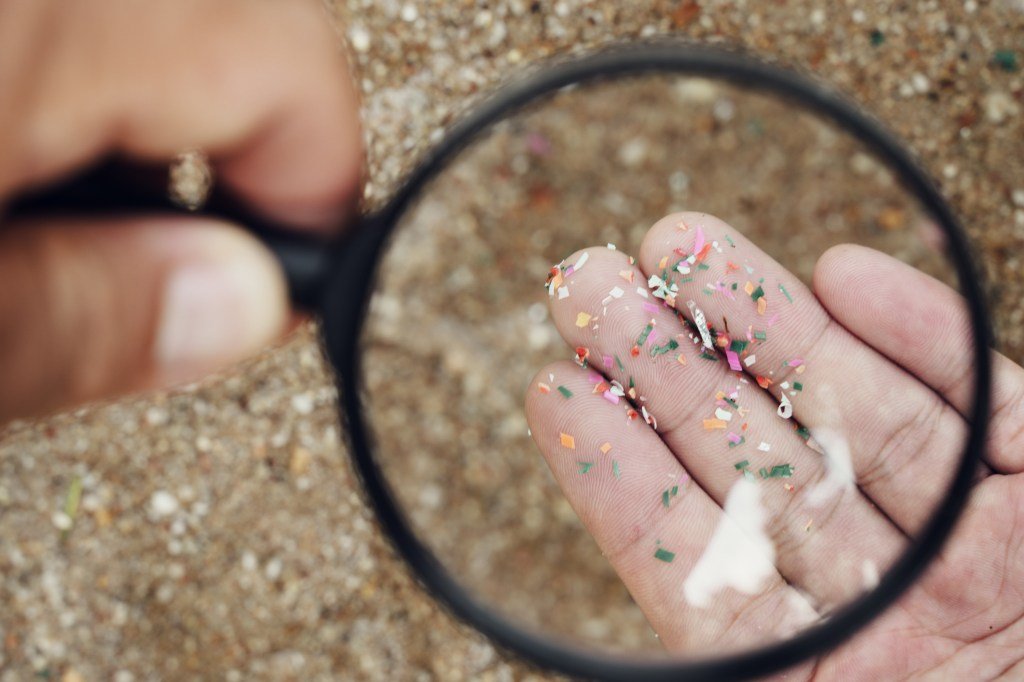
Microplastics and their potentially harmful effects on human health (and the world) have been in the spotlight in recent years. Now, a new study may have found a mechanism to remove them from our bodies, hidden in a popular fermented food: kimchi.
The study, conducted by the Global Kimchi Institute in South Korea, found that a probiotic bacterium found in kimchi can help the body rid itself of microplastics naturally. The bacteria attach to the particles in the gut and remove them from the body through the feces. Could it be that simple?
Well, maybe not exactly. There’s a lot we still don’t know, he says Avery Zenkerregistered dietitian at MyHealthTeam who was not involved in the study. “It’s important to keep in mind that this study was conducted in a lab on a kimchi-derived bacterium,” he explained, “which doesn’t necessarily translate to direct effects in the human gut.” Still, he says, the results show real promise.
The scientists tested a strain of lactic acid bacteria isolated from kimchi. They found that, under laboratory conditions, this strain of bacteria removed 87 percent of microplastics. Under conditions that mimicked a human gut, that number dropped to 57 percent—still significantly better than a different strain of bacteria tested for reference, which dropped from 85 percent to 3 percent.
A few more words of caution: this study was not conducted directly in humans (instead, using bacteria in a laboratory and under conditions similar to the human gut), and did not find that kimchi itself reduces the absorption of microplastics, as Zenker points out. Instead, he focused on “a bacterial strain commonly found in kimchi that showed potential,” he explains. “More research is needed to reveal the impact of eating kimchi specifically.”
But he says there’s potential here – and it’s welcome news for many of us concerned about the effects of microplastics on our health. These tiny particles of plastic – less than a micrometer in length – have been found in our brain, heart, stomach, placenta and genitals. They have been detected in urine, breast milk, semen, and even meconium, the first stool of a newborn, per Stanford Medicine. Research is ongoing into exactly how microplastics play into health issues, but studies have linked them to inflammation, abnormal organ growth, cell damage and cancer.
So, hearing that a bacteria found in a common food could help the body get rid of these tiny pieces of plastic? Very exciting. “The degree to which this probiotic strain was able to bind to microplastics is quite profound,” agrees Zenker.
And the fact that it’s in kimchi is a plus, too, because we know that kimchi, along with other fermented foods like sauerkraut and kefir, are great for your health. “Research shows that fermented foods may support microbial diversity, digestion, immune function, and overall gut health,” says Zenker. Fermented foods contribute “good” bacteria (aka probiotics) to our gut microbiome, which “affects every system in the body, including the brain, heart, bones, immune system and metabolism.”
Eating fiber (found in fruits, vegetables, nuts and beans) and especially prebiotic fiber (found in foods like asparagus, leeks, onion and garlic) is also good for your microbiome as it feeds these healthy bacteria.
While we still have a lot to learn about how probiotics, kimchi, and other fermented foods interact with microplastics, it might be worth adding more of them to your — and your family’s — diet. “Many health experts encourage adults and children to eat fermented foods regularly, even daily,” says Zenker.
She recommends starting with small amounts at a time, such as mixing some sauerkraut into a stew, making a kefir smoothie, or adding ground kimchi to an omelet. And continue to include probiotic-rich foods that your kids already enjoy, Zenker adds, such as yogurt, kefir, or fermented pickles. While we await more research on probiotics and microplastics, at least you’ll be doing your family’s microbiomes a world of good.
