


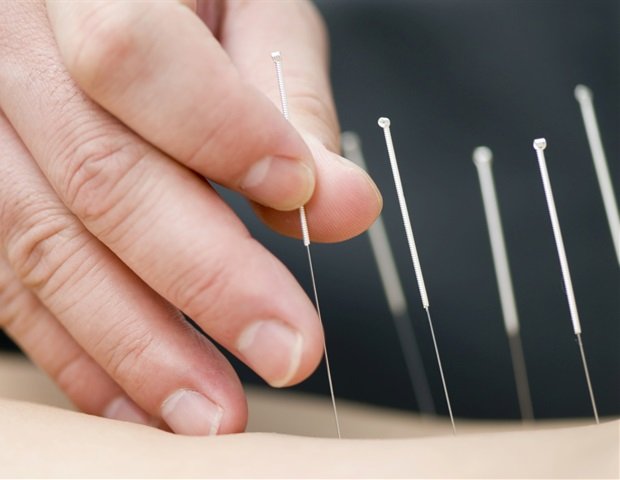
Traditional explanations of acupuncture often emphasize direct acupuncture point-instrument relationships, focusing on local stimulation or physiological changes at the endpoint. However, such linear relationships overlook the complex neural and immunological intermediates involved. With the rapid development of neuroscience and immunology, research on the regulation of bodily sensory-autonomic reflex mechanisms by acupuncture is revolutionizing. These discoveries are changing knowledge of the long-standing separation between the nervous and immune systems and require comprehensive frameworks capable of explaining systemic regulation. In this context, understanding how acupuncture activates somatosensory-autonomic reflexes and orchestrates immune balance has become increasingly important. Based on these challenges, deeper investigation of acupuncture-based neuroimmune mechanisms is warranted.
Researchers from Fudan University and the Chinese Academy of Chinese Medical Sciences published a comprehensive review (DOI:10.13702/j.1000-0607.20250346) in Acupuncture Research in May 2025. The study systematically synthesizes recent experimental and translational evidence showing that acupuncture modulates immune system function through defined neural circuits. By integrating neuroanatomy, immunology, and systems biology, the authors demonstrate how acupuncture stimulation activates somatosensory neurons, autonomic pathways, and enteric networks to achieve coordinated immunoregulation in multiple organs.
The article shows that acupuncture begins with mechanical stimulation at the acupuncture points, where the forces are converted into nerve signals through mechanosensitive receptors and connective tissue interactions. These signals activate specific sensory neurons in the dorsal root and trigeminal ganglia, which relay information to the spinal cord and brainstem. Central integration then engages autonomic outputs, including the vagal, sympathetic, and hypothalamic-pituitary-adrenal pathways, allowing for precise temporal and spatial regulation of the immune system.
Locally, acupuncture rapidly remodels the immune microenvironment by inducing controlled neurogenic inflammation, increasing blood flow, and coordinating interactions between sensory nerves, mast cells, fibroblasts, and immune mediators. Systemically, vagus-dependent anti-inflammatory pathways suppress the excessive release of inflammatory factors, while sympathetic ones dynamically adjust immune cell activity depending on the stage of the disease. The study also highlights the role of the enteric nervous system, showing how acupuncture enhances gut barrier integrity and modulates microbe-neuropeptide interactions to influence whole-body immunity.
Importantly, stimulus parameters such as intensity, frequency, and depth determine which neural circuits are involved, explaining the bidirectional and context-dependent effects of acupuncture. Together, these findings create a structured “stimulation-neural coding-immune response” framework that translates traditional holistic concepts into modern neurobiological language.
The authors note that these findings reposition acupuncture in modern neurobiology. Rather than acting as a generalized placebo or local intervention, acupuncture acts as a form of programmable neuromodulation that affects sensory nerves and autonomic pathways. By deciphering how different stimulation parameters activate specific neural circuits, acupuncture can be aligned with emerging bioelectronic medicine strategies. This mechanistic clarity, they emphasize, provides a scientific basis for incorporating acupuncture-inspired approaches into modern treatment paradigms for immune and inflammatory disorders.
Understanding acupuncture as a circuit-based neuroimmune intervention opens up new translational possibilities. The findings support the development of precision acupuncture protocols and bioelectronic devices. Such approaches could offer non-pharmacological alternatives for the management of chronic inflammation, autoimmune diseases, pain and gut-related disorders. More broadly, the project bridges traditional medicine and modern systems neuroscience, showing how ancient healing principles can inform next-generation neuromodulation technologies. As multi-ohmic data and artificial intelligence are integrated into this framework, acupuncture can help shape personalized, circuit-targeted therapies that restore immune balance rather than simply suppress symptoms.
