


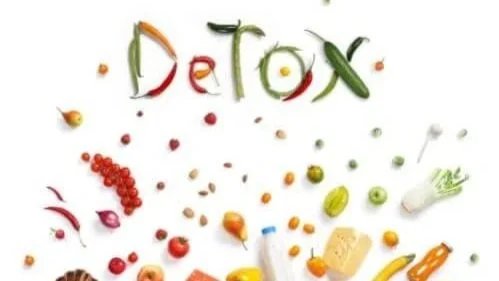
A scientific guide to supporting your body’s natural detoxification systems
Author: Megan Xipolitos
Why detox is so misunderstood
The concept of “detox” has become one of the most popular ideas in the wellness industry. From juice cleanses to detox teas and restrictive reset programs, many products claim to eliminate toxins, boost energy, and accelerate weight loss.
However, these claims often lack scientific support. It’s all about marketing and the products you can buy!
The human body is inherently equipped with sophisticated detoxification systems. think about your liver, kidneys, gastrointestinal tract, skin, and lungs—all of which support your detoxification. These systems work continuously to neutralize and eliminate harmful substances without the need for extreme nutritional interventions (Klein & Kiat, 2015).
Understanding what detoxification actually is and how to properly support it can help individuals move away from ineffective trends and toward sustainable, evidence-based practices.
What is detoxification? A Physiological Perspective
Detoxification refers to the body’s natural process of transforming and eliminating toxins. This happens mainly in the liver through two main phases:
Phase I (Biotransformation): Toxins are converted into intermediate compounds, meaning we cannot remove the toxins until the body begins to convert them into something it recognizes on a chemical level.
Phase II (Spouse): These compounds become water soluble for excretion. We are mostly water, and water-based fluids function to transport chemicals throughout the body. This means the liver has to make sure the new “transformed” chemical can be transported into the water.
There is a small catch, however; these processes rely heavily on adequate intake of nutrients, including amino acids, vitamins, minerals, and antioxidants (Liska et al., 2019). We need to make sure our body is getting what it needs to be able to detox us optimally.
It is important to note, however, that there is no reliable scientific evidence that commercial detox diets enhance these processes in healthy individuals (Klein & Kiat, 2015).
Common myths and misconceptions about detox
Myth 1: The body needs external detoxification programs to function properly
In fact, detoxification is an ongoing physiological process. It never stops if the body has what it needs. The liver and kidneys are extremely efficient at processing and eliminating toxins when properly supported through diet and lifestyle (Hodges & Minich, 2015).
Myth 2: Juice cleanses remove toxins
This is a big pet peeve of mine! Juice cleanses often lead to short-term feelings of improvement, but these results are usually due to reduced intake of processed foods and increased hydration—not elimination of toxins (Klein & Kiat, 2015).
Additionally, these cleanses are often low in protein, which is essential for detoxification pathways, and high in sugar, which can feed poor microbes and lead to blood sugar imbalances.
Myth 3: Detox diets promote sustainable weight loss
Weight loss seen during detox programs is typically temporary and associated with calorie restriction and fluid loss. Of course, when you clean up your diet and limit your food intake, you will likely lose weight! But what is less discussed is that these approaches may also negatively impact metabolic function over time (Sears & Genuis, 2012).
Myth 4: Detox supplements are safe and effective
Many detox supplements are not strictly regulated and may lack evidence of safety or effectiveness. This scares me a little! Who cares what’s really in these kits? In some cases, overuse of detox products has been associated with adverse health outcomes, including liver stress (Liska et al., 2019).
What Really Works: Evidence-Based Detox Support
Rather than trying to “force” detox, current research supports focusing on supporting the body’s natural detoxification systems through sustainable lifestyle practices.
1. Foods rich in nutrients that support liver function
The liver requires specific nutrients to carry out detoxification effectively.
Basic foods include:
Cruciferous vegetables (eg broccoli, cauliflower, cabbage): These are my favorite and I feel like we can never get enough! I suggest you aim for 1-3 cups a day!
Allium vegetables (eg garlic, onions): If you can tolerate these gems, I recommend trying adding them raw to salad dressings.
Root vegetables (eg beets, carrots): These are a little more starchy, so you don’t need as many servings, but a serving of root vegetables a day is great!
These foods contain compounds that enhance the activity of detoxifying enzymes and support antioxidant defenses (Hodges & Minich, 2015).
2. Adequate Protein Intake
Protein provides amino acids necessary for Phase II detoxification processes. Without adequate protein intake, detoxification pathways can become impaired (Liska et al., 2019).
This deficiency is a critical limitation of many popular detox diets. There is also the opposite side of the coin, where some popular diets recommend too much protein! You should try to aim for a portion size the width and thickness of your palm at each meal! This makes protein consumption tailored for you.
3. Hydration and elimination
Water plays a fundamental role in supporting kidney function and facilitating the elimination of waste products through urine and feces. Adequate hydration also supports lymphatic circulation, which is essential for immunity and detoxification processes. Drink between meals and if you’re thirsty, you may already be on your way to dehydration!
4. Gut health and the microbiome
The gastrointestinal system plays a key role in detoxification by binding and eliminating toxins.
A healthy gut microbiome supports:
Dietary fiber and fermented foods contribute to microbiome diversity and function (Sears & Genuis, 2012). Continue to consume fermented foods daily and mix them up for variety in your microbiome.
5. Reduction of Toxic Load
Rather than focusing solely on elimination, reducing exposure to toxins is just as important. Every day we are exposed to more and more toxins.
Strategies to reduce the load include the following:
Limit ultra-processed foods
Reducing added sugars and alcohol
By choosing whole, minimally processed foods
Buy natural household products to replace chemicals
This approach reduces the burden on the detoxification systems and supports overall health.
6. Movement, circulation and perspiration
Physical activity supports detoxification indirectly by:
Regular movement is a simple but effective way to support the body’s natural detoxification processes. I know you are busy, so do your best and forget the rest.
Why detox diets seem to work
Many people report feeling better during detox programs. However, these improvements are usually due to:
Increased awareness of food choices
Reduced intake of processed foods
Improved hydration
Temporary caloric restriction
These changes, not the detox products themselves, are responsible for the perceived benefits (Klein & Kiat, 2015).
A Sustainable Approach to Detoxification
The concept of detoxification is based on actual physiology, but is often misinterpreted in popular health culture. You can make sure your body has what it needs to detox! Current evidence does not support the use of diet or detox supplements as effective means of eliminating toxins. Instead, long-term health outcomes are best supported by:
Consistent, balanced diet
Adequate protein intake
Hydration
Gut health support
Lifestyle practices that reduce toxic burden
Detox isn’t a short-term intervention — it’s an ongoing process that can be optimized through daily habits.
Are you ready to support your body the right way?
If you’re tired of quick fixes and want to feel better in a way that really lasts, it might be time to change your approach. Supporting your body doesn’t have to be complicated — but it does have to be personalized.
At No Shoes Nutritionwe help you understand your body, create sustainable habits, and create a plan that works for your real life, not against it.
If you’re ready to move beyond detox trends and start feeling energized, clear, and in control of your health…
You have been invited to book a free consultation at wwww.noshoesnutrition.com
Let’s take the guesswork out of your health and help you thrive from the inside out.
