


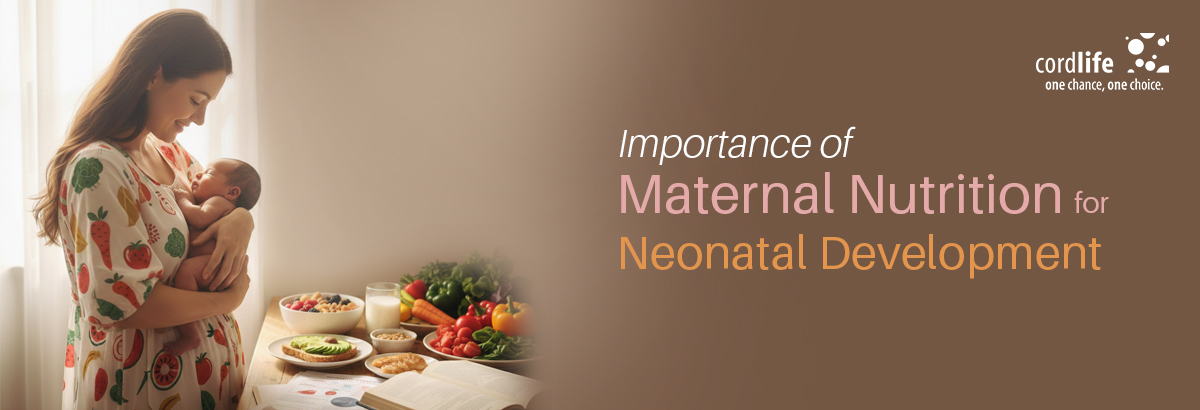
Maternal nutrition during pregnancy shapes a child from the ground up, starting long before birth. Essentially, good food feeds the tiny cells and every bite matters for the future. Healthy habits lay a strong foundation that helps the baby grow quickly. On the contrary, bad choices carry many risks, as science clearly shows.
The Development Foundation
The role of maternal nutrition in the development of the fetus is huge, essentially because the organs need specific nutrients to form properly. For example, protein builds tiny muscles while iron carries oxygen to the baby’s developing brain. What stands out is the timing. The early months require folate for nerve development, while the later months require more calcium for bone health. Consequently, the body works hard every hour and rapid changes occur every day.
Brain Power and Development
Maternal nutrition and neonatal development are closely related. Fatty acids boost brain power and, at the same time, help the eyes. As a result, children may demonstrate better cognitive skills later in life. Today, more and more experts agree that the brain develops rapidly while still in the womb.
Hidden risks of deficits
The effects of maternal malnutrition on a baby can be severe. Low birth weight is common and often leads to a difficult start. Some babies have breathing problems early on, causing a long hospital stay. Parents are understandably concerned about long-term health risks, as chronic disease or heart problems can stem from early nutritional deficiencies.
Daily habits matter
The nutrition of the mother and the development of the baby go hand in hand. While fresh vegetables provide vital fiber, lean meats provide essential zinc. In addition, fruits provide natural sugars for energy, which is essential as fatigue is common during pregnancy. After all, the importance of nutrition in pregnancy is not a myth. it is a biological necessity.
Bone and skeletal strength
Calcium supports the baby’s skeletal development, often drawing from the mother’s stores. In addition, vitamin D helps the body absorb calcium. Tooth and jaw structures also form early and rely heavily on these nutrients to support future developmental milestones.
Immune system support
A strong immune system starts in the womb, where proper nutrition helps make white blood cells. Protects against early infections when newborns are exposed to numerous germs. Balance is key, particularly how zinc and vitamin C work together. The difference becomes apparent quickly as stronger babies tend to fight infections more effectively.
Energy for the Mother
Mothers also need plenty of energy to thrive, as fatigue can disrupt daily life. Foods high in protein sustain the body, while complex carbohydrates provide steady energy. Nutritional needs it can change daily with increased physical activity, which requires higher calories.
Links to emotional well-being
Diet also affects the mother’s mood. Stable blood sugar reduces stress, which is crucial because high stress can affect the growing baby. On the other hand, junk food and sugar spikes cause irritability. Therefore, consistent nutrients are required to keep the mind clear and the womb environment calm.
Basic facts about heart health
Since the heart pumps blood for both mother and baby, more blood volume is required. Iron supports this process, underscoring its importance in circulation. In addition to iron, potassium regulates heart rhythm, ensuring that each beat supports growing life.
Avoiding the quagmire
The “eat for two” advice is misleading and can lead to excessive weight gain. Instead, balance is essential. Quality nutrition is always greater than quantity, and avoiding processed snacks helps protect baby’s developing liver.
The effect of micronutrients
Iodine supports thyroid function, which controls the metabolism of both mother and child. Likewise, magnesium prevents muscle cramps and helps the baby sleep. The best part about minerals is their variety. Thus, a varied plate of colorful foods ensures the intake of sufficient essential nutrients.
The value of career guidance
Ultimately, health professionals offer the most reliable nutritional guidance. Blood tests can identify deficiencies, allowing supplements to address specific gaps. Since every mom-to-be’s body is unique, an individualized nutrition plan ensures optimal safety and results.
Final thoughts on health
In conclusion, maternal nutrition and neonatal outcomes are deeply interrelated. Every meal helps build a new one and the future starts in the womb. By choosing nutritious food, one can truly shape a child’s life story, ensuring a healthier start for families.
