



Every great skincare routine starts with a cleanser — but not all work the same way. This is where understanding the difference between oil-based and water-based formulas can help you choose the cleanser that best suits your skin.
Let’s explore how each type works, which skin types are best suited, and how to create the ideal cleansing regimen for your current needs. Because it’s all about keeping your skin happy, from the first step.
What is the difference between oil-based and water-based cleaners?
The cleaners may share a goal, but their main ingredients mark the difference. Here’s what you need to know at a high level:
- Oil-based cleaners dissolves oil-soluble impurities such as natural oils, sunscreen and make-up.
- Water-based cleaners dissolves water-soluble residues such as sweat, dirt and environmental pollutants.
This is due to a simple principle: like attracts like. Oil-based cleansers use emollient oils to break down greasy residue that water alone can’t remove, while water-based cleansers rely on mild surfactants to remove daily build-up without stripping the skin barrier. Meaning that with the proper cleansing formula, Both can remove water-soluble residues.
Finally, both types can be used alone or together, depending on the needs of your skin.
What is an oil-based cleanser?
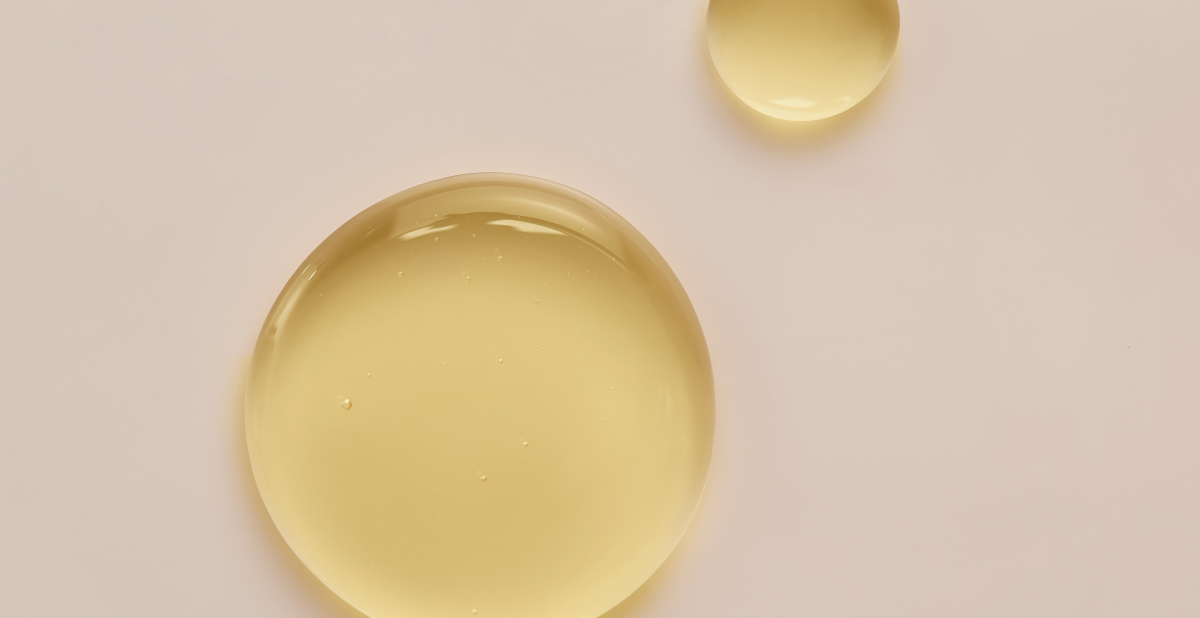
These popular cleansers use nourishing oils to attract and remove oil-based impurities—including sunscreen, foundation, and pollutants—while keeping hydration levels in check.
How it works
When you massage into dry skin, the cleansing oil bonds with unwanted oils and debris. Add a little water and the formula emulsifies into a milky texture that washes off.
Even better? Science shows that plant-based oils, especially olive oil, can support the skin’s natural barrier and minimize moisture loss when properly formulated.
A kind example
A light oil cleanser with ingredients like olive oil and sclareolide (from sage) can effectively remove make-up and sun protection while helping skin feel soft and balanced – even for oily or sensitive types.
Expert advice: Apply your oil-based cleanser with dry hands to dry skin, massage gently, then emulsify with lukewarm water. Avoid hot water, which can disrupt your moisture barrier.
What is a water-based cleaner?

These gels, foams and creams use water as their base and target water-soluble impurities such as dirt, sweat and some pollution. They are ideal for daily cleansing or skin renewal after an oil-based step.
How it works
Water-based cleansers contain mild surfactants (cleansers) and moisturizing ingredients such as glycerin or botanical extracts. The goal is to clean the surface of the skin without over-drying or compromising its natural balance.
Try this
A foaming cleanser made with olive leaf extract—rich in antioxidant polyphenols—helps cleanse skin while retaining essential moisture. Soothing ingredients like lavender extract it can calm and refresh, helping the skin feel balanced and comfortable.
Expert advice: Cleanse for about 30 seconds in gentle circular motions. This gives your formula time to effectively remove buildup while awakening circulation.
What about exfoliating cleansers?
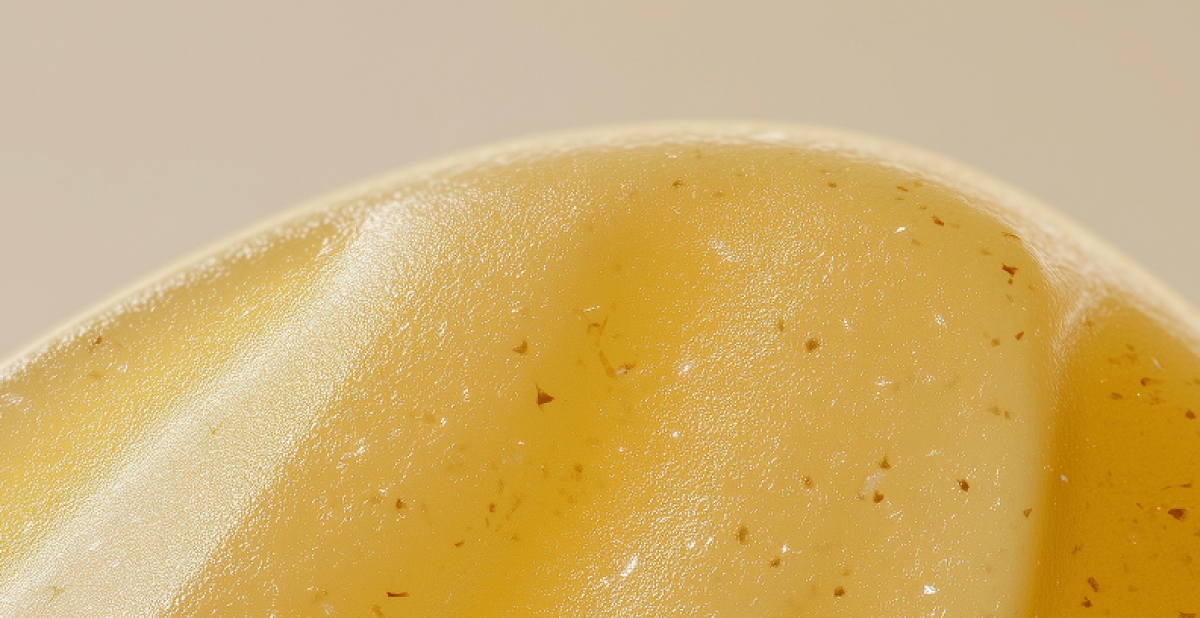
Exfoliating cleansers add a polishing step to your routine, helping to remove dead skin that can dull your complexion or clog pores. It’s usually a gel or water-based peel.
How it works
Mild exfoliating cleansers often use fine particles or mild acids to soften texture and promote skin renewal. The right formula can enhance radiance and provide the perfect canvas for serums and moisturizers.
Try this
A Daily exfoliating gel containing olive seed particles and hydrating plant extracts can improve skin texture by keeping it soft and smooth—especially ideal for blemish-prone skin.
Expert advice: On heavy makeup days, select double clean in your evening routine. Start with your favorite oil-based cleanser, then follow up with a water-based foaming or exfoliating cleanser to wash away throughout the day.
Which is better: oil-based or water-based cleanser?
Here’s the truth, it’s not about a being better. Each has its own strengths:
| Skin concern | Oil based cleaner | Water based cleaner |
|---|---|---|
| Waterproof makeup & sunscreen remover | Ideal | Effective |
| Dirt & sweat removal | Effective | Ideal |
| Hydration | High | It depends |
| For oily skin | Balancing | Cleaning |
| For dry or sensitive skin | Nutrient | Noble |
Which cleanser is right for my skin?
Remember, happy skin shouldn’t feel tight after cleansing. If so, your cleanser may be too harsh or overused. Otherwise, here are some quick guidelines based on your skin type:
- Dry or sensitive skin: Try an oil-based cleanser for comfort and hydration.
- Oily or acne-prone skin: Use a gentle, non-comedogenic oil cleanser to remove excess oil, followed by an exfoliating cleanser.
- Combination skin: Alternate foam and oil cleansers depending on how your skin feels.
- Normal skin: Most people can benefit from both types—choose based on your environment and daily routine.
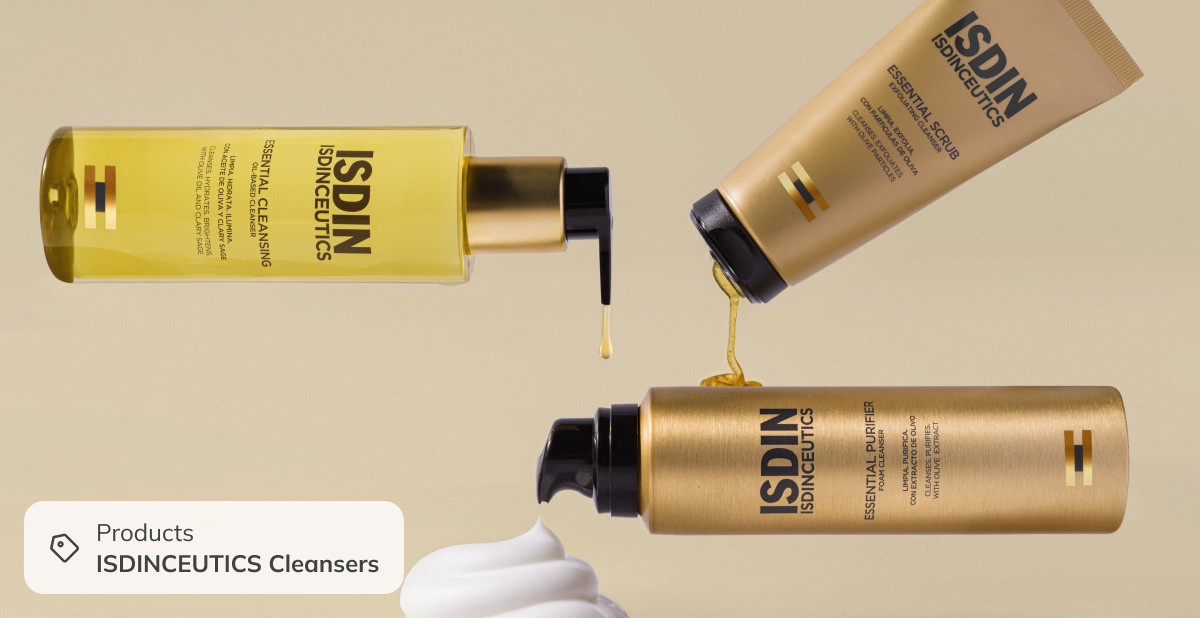
Expert advice: ISDIN cleansers are designed for all skin types, so feel free to give it a go mix and match.
A clean slate
Cleansing isn’t just the first step, it’s the foundation of any skin care routine. Whether you prefer the nourishing comfort of an oil-based formula or the refreshing feel of a water-based formula, the key is to choose gentle products that respect your skin’s natural state.
And for days when your skin needs more? Double cleansing offers the best of both worlds: effective, balanced and science-backed care.
Healthy skin starts with clean skin—and it all starts with finding the right cleansing routine for you.

Amy is a content strategist who turned a part-time skincare obsession into a full-time passion. Her experience as a creative storyteller includes a range of lifestyle and technology topics in Washington DC and Barcelona. What’s in her travel bag? Eye contour cream and sunscreen, always.
