


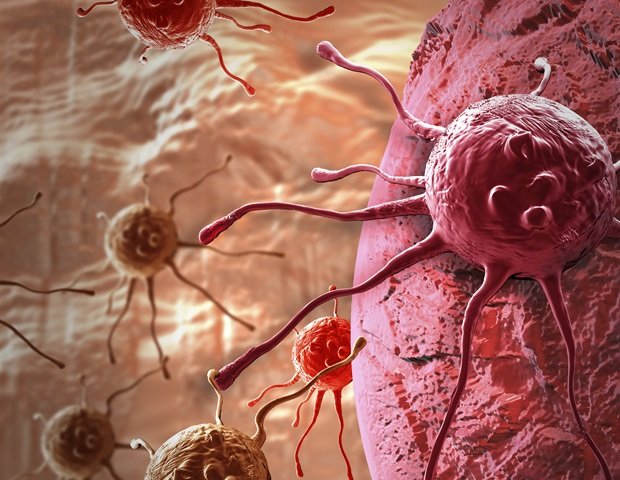
Cancer remains one of the most critical global public health challenges, exerting profound social, economic and clinical burdens while limiting gains in human life expectancy. Despite advances in surgery, radiotherapy, chemotherapy, targeted therapy, and immunotherapy, treatment failure and cancer recurrence are often driven by a subset of resistant cancer cells that evade conventional programmed cell death pathways. Thus, the scientific community is actively exploring strategies to utilize alternative intracellular “death switches” within malignant cells. In recent years, the discovery of new modes of immunogenic cell death—such as pyroptosis, ferroptosis, and chalcoptosis—has revitalized anticancer efforts. These mechanisms can remodel the tumor microenvironment, effectively turning immunologically “cold” tumors into “warm” ones, thus increasing the efficacy of immunotherapy.
In a groundbreaking 2024 study published in Sciencea new form of cell death, called triaptosis, was reported for the first time. The study revealed that menadione, a common precursor of vitamin K, acts as a potent prooxidant that selectively oxidizes a key kinase, PIK3C3/VPS34. This oxidation disrupts endosomal function, reducing sorting and cargo transport, and ultimately leads to the accumulation of large intracellular vacuoles, culminating in plasma membrane rupture and cell death. This process is mechanistically distinct from all previously known cell death pathways. In a mouse model of prostate cancer, oral administration of menadione to induce triaptosis resulted in superior tumor control compared to standard clinical regimens, with a favorable safety profile, underscoring its promising transcriptional potential.
In this context, the research team led by Associate Professor Lin-Lin Bu from Wuhan University School and Hospital of Stomatology, published a comprehensive review titled “Triaptosis and Cancer: Next Hope?” in the magazine Research. This article systematically elaborates the triaptosis pathway from molecular mechanism to therapeutic application, detailing its signaling cascade, discussing the central role of oxidative stress homeostasis in cancer, and offering an outlook for future directions—collectively highlighting the exciting potential of triaptosis as a novel anticancer strategy.
The triaptosis mechanism targets a vulnerability inherent in many cancer cells. To sustain rapid proliferation, cancer cells often exhibit an increased dependence on their endomembrane trafficking system. By specifically disrupting intrabody function, triaptosis can hit precisely this “Achilles’ heel.” In addition, triaptosis shows significant promise for combination with immunotherapy. Although its immunogenic potential remains unverified, endosomes play an essential role in antigen presentation and immune cell activation. Therefore, triaptosis induction may not only kill cancer cells but also stimulate a specific antitumor immune response, potentially working with immune checkpoint inhibitors to effectively turn “cold” tumors into “hot” ones. Furthermore, since triaptosis functions independently of normal apoptotic pathways, it may provide a last-line therapeutic option for patients resistant to existing therapies.
The review also outlines future research directions on the mechanism and targeting of triaptosis. Subsequent studies will focus on identifying and developing new agents that can effectively and selectively induce triaptosis. To maximize efficacy and minimize side effects, intelligent drug delivery systems capable of precise tumor targeting should be constructed. Furthermore, elucidating the interplay between triaptosis and other modes of cell death may help design complex combination therapies and provide new ways to overcome treatment resistance. It is worth noting that preliminary evidence shows that menadione also shows efficacy in a non-cancerous disease, indicating that the effects of triaptosis may extend far beyond oncology.
The discovery of triaptosis not only expands our understanding of the fundamental biological processes that govern cell death, but also represents a promising strategy for fighting cancer. We hope that triapsis-based therapeutic innovations will soon bridge the gap between the bench and the bedside, offering renewed hope to cancer patients as the “next hope” in oncology.
Source:
Journal Reference:
