

Close Menu
Healthtost
  • News
  • Mental Health
  • Men’s Health
  • Women’s Health
  • Skin Care
  • Sexual Health
  • Pregnancy
  • Nutrition
  • Fitness
  • Recommended Essentials
What's Hot

When should you see a physical therapist? 7 Signs You Shouldn’t Ignore

January 17, 2026

PSA-based tool improves decision-making for prostate cancer screening and treatment

January 17, 2026

Why it still makes sense to limit saturated fat

January 17, 2026
Facebook X (Twitter) Instagram
  • About Us
  • Contact Us
  • Privacy Policy
  • Terms and Conditions
  • Disclaimer
Facebook X (Twitter) Instagram
Healthtost
SUBSCRIBE
  • News

    PSA-based tool improves decision-making for prostate cancer screening and treatment

    January 17, 2026

    The FDA-cleared ADHD device is not effective in reducing symptoms

    January 16, 2026

    Incretin-based diabetes drugs show possible protective effects against dementia

    January 16, 2026

    Does night work increase the risk of osteoporosis?

    January 15, 2026

    Scientists uncover promising therapeutic target for autoimmune disease that affects the brain

    January 15, 2026
  • Mental Health

    How to apply for a fully funded PhD in the UK

    January 8, 2026

    9 Secrets on How to Stop Procrastinating

    January 6, 2026

    Setting boundaries for self-care in 2026

    January 4, 2026

    In a world of digital money, what is the proper etiquette for splitting the bill with friends?

    January 1, 2026

    Rest is essential during the holidays, but it can mean getting active, not crashing on the couch

    December 26, 2025
  • Men’s Health

    Why it still makes sense to limit saturated fat

    January 17, 2026

    Escape Gym Groundhog Day: Why your workout takes seasons

    January 16, 2026

    What is Blue Collar Guilt?

    January 14, 2026

    Glucose stability in diabetes is enhanced by natural daylight

    January 10, 2026

    I reconcile my father’s anger and mine: some hills don’t deserve to die

    January 10, 2026
  • Women’s Health

    What really works? – Vuvatech

    January 16, 2026

    What is mental wellness and how does it differ from mental health?

    January 14, 2026

    Beyond weight loss: How GLP-1 ‘miracle drugs’ are revolutionizing whole-body health

    January 14, 2026

    8 Simple Food Swaps to Improve Your Health

    January 13, 2026

    Ways Omega-3s Benefit Women Specifically

    January 13, 2026
  • Skin Care

    An OUMERE Scientific and Regul – OUMERE

    January 16, 2026

    Collagen Induction Treatments in Rittenhouse Square

    January 15, 2026

    🥜⚠️ Why nut allergies are on the rise—and what it means for its future

    January 14, 2026

    Postnatal massage: Benefits, timing and what to book

    January 13, 2026

    Prepare your lips for the cold with TNW Lip Balm – The Natural Wash

    January 12, 2026
  • Sexual Health

    Your ultimate guide to climax and orgasm control

    January 16, 2026

    Stillbirths may be more common in US than previously known—Study

    January 14, 2026

    COVID-19 heightens vulnerabilities for women asylum seekers and refugee women in South Africa < SRHM

    January 14, 2026

    What does an unclear test result mean?

    January 13, 2026

    Relationship diversity, conflict, and why it matters for sex counselor certification — Sexual Health Alliance

    January 12, 2026
  • Pregnancy

    Weighing in: How GLP-1s fit into your pregnancy plans

    January 15, 2026

    5 foods, 4 habits, 3 reminders

    January 14, 2026

    I’m pregnant… Now what? 13 Things You Should Do Right Now

    January 14, 2026

    Which vitamins and minerals are important to consume during pregnancy?

    January 12, 2026

    Supporting emotional development in our children and ourselves – Podcast Ep 194

    January 11, 2026
  • Nutrition

    When should you see a physical therapist? 7 Signs You Shouldn’t Ignore

    January 17, 2026

    Sliced ​​meatballs | The Nutritionist Reviews

    January 16, 2026

    5-ingredient skillet dinner recipe

    January 15, 2026

    Family sheet-Gnocchi pan with vegetables and chicken sausage (30 minutes!)

    January 15, 2026

    3 Easy, Nutritious Salads – JSHealth

    January 13, 2026
  • Fitness

    Not sure your multivitamin is working? 3 ways the signal could be missing

    January 16, 2026

    Barbell RDL: Proper Form & Benefits

    January 15, 2026

    Lazy high protein dinners that I make when I don’t feel like cooking

    January 15, 2026

    Behavioral health 101: What it means and why it matters

    January 14, 2026

    Snack smarter this New Year: 5 healthy low-calorie options

    January 13, 2026
  • Recommended Essentials
Healthtost
Home»News»Nonpharmacologic pain intervention provides benefits in individuals with dialysis-dependent renal failure
News

Nonpharmacologic pain intervention provides benefits in individuals with dialysis-dependent renal failure

healthtostBy healthtostJanuary 1, 2025No Comments4 Mins Read
Facebook Twitter Pinterest LinkedIn Tumblr Reddit WhatsApp Email
Nonpharmacologic Pain Intervention Provides Benefits In Individuals With Dialysis Dependent Renal
Share
Facebook Twitter LinkedIn Pinterest WhatsApp Email

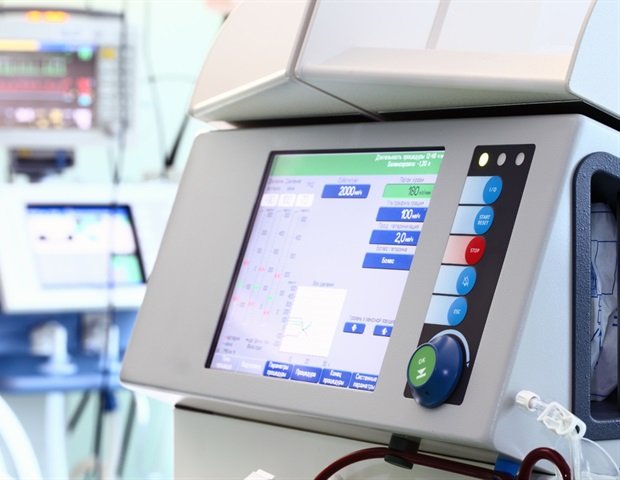
Among people with dialysis-dependent kidney failure, a form of psychological treatment called pain coping skills training reduced pain in their daily lives, also known as pain interference. The clinical trial, funded by the National Institutes of Health (NIH), found that educating people about how to manage pain reduced the extent to which pain affected their work and social activities, mood and relationships . Pain coping skills training, which was tailored for people on long-term dialysis, also improved other pain outcomes, including pain intensity, depression, anxiety, and quality of life. Pain management skills training is a widely used approach to chronic pain, but has not previously been tested for people undergoing hemodialysis.

“Very few interventions have been shown to improve the quality of life of people with end-stage renal disease treated with hemodialysis,” said Dr. who led the study. “For example, opioids, which have been the primary treatment for pain in this population, have side effects that may be more pronounced in the presence of renal failure, making pain management difficult.”

More than 808,000 people in the United States are living with end-stage kidney disease, and 68% of them are treated with dialysis. People with dialysis-dependent kidney disease often experience chronic pain, but have limited pain treatment options. In addition, adherence to pain treatment plans can be difficult during dialysis. The study’s research team, known as the Hemodialysis Opioid Prescription Effort (HOPE) consortium, thus aimed to develop a behavioral intervention that would reduce pain perception, improve quality of life, and reduce opioid use in hemodialysis populations. This study is the largest randomized controlled trial to show that a non-pharmacological pain intervention provides benefits in people with end-stage renal disease undergoing hemodialysis.

The multicentre trial involved 643 adults who were treated with maintenance dialysis for end-stage renal disease and experienced chronic pain. About half of the participants were assigned to the pain coping skills training intervention, while the other half received usual clinical care without the trial-based intervention. Pain coping skills training included 12 weeks of virtual, one-on-one sessions with a coach to teach chronic pain coping skills, enhance self-efficacy (belief in one’s ability to achieve goals), and reduce sleep-related pain difficulties, anxiety and stress. The intervention included teaching, skill modeling, guided practice, and experiential learning. Coach-led sessions were followed by 12 weeks of automated interactive voice response sessions to refresh newly acquired skills.

At 12 weeks, 51% of people in the pain coping skills training group reported a reduction in pain interference versus 37% in the usual care group, and the benefit continued throughout the 24-week intervention period. The difference between the two groups narrowed at week 36, 12 weeks after the end of the intervention. Researchers believe that people who receive training in pain coping skills may need continued reinforcement to see additional or long-term benefit. Pain coping skills training also improved pain-related outcomes of pain severity, depression, anxiety, quality of life, and pain catastrophizing (a negative mental and emotional response to anticipated or actual pain associated with bad pain outcomes).

The study results suggest that pain management skills training may be an attractive alternative or adjunct to pain medication. Although the effect of training on pain coping skills in the overall cohort was modest, its high acceptability, tolerability and safety and its observed benefits on pain, anxiety, depression and quality of life support further research into the development of non-pharmacological , of non-invasive strategies for pain management in hemodialysis populations.

Future work will focus on how to prolong the beneficial effects of pain coping skills training and how to broadly implement this intervention in clinical practice. Based on the successful results of this study, we hope that this intervention can become widely available to dialysis patients.”


Dr. Laura M. Dember, lead author, nephrologist and clinical investigator at the University of Pennsylvania Perelman School of Medicine, Philadelphia

The study, the Hemodialysis Opioid Prescription Effort (HOPE) Consortium Trial to Reduce Pain and Opioid Use in Hemodialysis, was funded by the Helping to End Addiction Long-term Initiative, or NIH HEAL Initiative, an NIH-wide effort that seeks to accelerate scientific solutions to the overdose epidemic, including opioid and stimulant use disorders, and the chronic pain crisis;

Helping End Addiction Long-term® and NIH HEAL Initiative® are registered trademarks of the Department of Health and Human Services.

Source:

NIH/National Institute of Diabetes and Digestive and Kidney Diseases

Journal Reference:

Dember L, Hsu J, Mehrotra R, et al. Pain Management Skills Training for Dialysis Patients: The HOPE Consortium Randomized Clinical Trial. JAMA Internal Medicine. 2024? doi: 10.1001/jamainternmed.2024.7140

benefits dialysisdependent failure individuals intervention Nonpharmacologic Pain renal
bhanuprakash.cg
healthtost
  • Website

Related Posts

PSA-based tool improves decision-making for prostate cancer screening and treatment

January 17, 2026

The FDA-cleared ADHD device is not effective in reducing symptoms

January 16, 2026

Incretin-based diabetes drugs show possible protective effects against dementia

January 16, 2026

Leave A Reply Cancel Reply

Don't Miss
Nutrition

When should you see a physical therapist? 7 Signs You Shouldn’t Ignore

By healthtostJanuary 17, 20260

1. Persistent PainPain is your body’s way of telling you that something is wrong. While…

PSA-based tool improves decision-making for prostate cancer screening and treatment

January 17, 2026

Why it still makes sense to limit saturated fat

January 17, 2026

The FDA-cleared ADHD device is not effective in reducing symptoms

January 16, 2026
Stay In Touch
  • Facebook
  • Twitter
  • Pinterest
  • Instagram
  • YouTube
  • Vimeo
TAGS
Baby benefits body brain cancer care Day Diet disease exercise finds Fitness food Guide health healthy heart Improve Life Loss Men mental Natural Nutrition Patients People Pregnancy protein research reveals risk routine sex sexual Skin study Therapy Tips Top Training Treatment ways weight women Workout
About Us
About Us

Welcome to HealthTost, your trusted source for breaking health news, expert insights, and wellness inspiration. At HealthTost, we are committed to delivering accurate, timely, and empowering information to help you make informed decisions about your health and well-being.

Latest Articles

When should you see a physical therapist? 7 Signs You Shouldn’t Ignore

January 17, 2026

PSA-based tool improves decision-making for prostate cancer screening and treatment

January 17, 2026

Why it still makes sense to limit saturated fat

January 17, 2026
New Comments
    Facebook X (Twitter) Instagram Pinterest
    • About Us
    • Contact Us
    • Privacy Policy
    • Terms and Conditions
    • Disclaimer
    © 2026 HealthTost. All Rights Reserved.

    Type above and press Enter to search. Press Esc to cancel.