

Close Menu
Healthtost
  • News
  • Mental Health
  • Men’s Health
  • Women’s Health
  • Skin Care
  • Sexual Health
  • Pregnancy
  • Nutrition
  • Fitness
  • Recommended Essentials
What's Hot

Research shows that bamboo-based foods could support metabolic health

January 19, 2026

30 minute dumbbell chest routine without a bench

January 19, 2026

Urea Body Lotion for Dry & Rough Skin

January 19, 2026
Facebook X (Twitter) Instagram
  • About Us
  • Contact Us
  • Privacy Policy
  • Terms and Conditions
  • Disclaimer
Facebook X (Twitter) Instagram
Healthtost
SUBSCRIBE
  • News

    Research shows that bamboo-based foods could support metabolic health

    January 19, 2026

    Global Alzheimer’s Platform Foundation Announces Strategic Partnership and Collaboration with Spear Bio on Bio-Hermes-002 Transformative Study

    January 18, 2026

    How World War II transformed sexual health practices and condom use in Sweden

    January 18, 2026

    New research compares different well-being-focused interventions delivered to adults

    January 17, 2026

    PSA-based tool improves decision-making for prostate cancer screening and treatment

    January 17, 2026
  • Mental Health

    How to apply for a fully funded PhD in the UK

    January 8, 2026

    9 Secrets on How to Stop Procrastinating

    January 6, 2026

    Setting boundaries for self-care in 2026

    January 4, 2026

    In a world of digital money, what is the proper etiquette for splitting the bill with friends?

    January 1, 2026

    Rest is essential during the holidays, but it can mean getting active, not crashing on the couch

    December 26, 2025
  • Men’s Health

    30 minute dumbbell chest routine without a bench

    January 19, 2026

    Father’s early behavior linked to child’s heart and metabolic health years later

    January 17, 2026

    Why it still makes sense to limit saturated fat

    January 17, 2026

    Escape Gym Groundhog Day: Why your workout takes seasons

    January 16, 2026

    What is Blue Collar Guilt?

    January 14, 2026
  • Women’s Health

    Urea Body Lotion for Dry & Rough Skin

    January 19, 2026

    Women’s Primary Care Physicians in Alexandria, VA: Wellness

    January 18, 2026

    You’re Not Failing: Navigating Student Loan Debt, Mental Health, and Paycheck Garnishment

    January 17, 2026

    What really works? – Vuvatech

    January 16, 2026

    What is mental wellness and how does it differ from mental health?

    January 14, 2026
  • Skin Care

    Under Eye Caffeine: What It Is, How It Works, and Why It Matters

    January 19, 2026

    An OUMERE Scientific and Regul – OUMERE

    January 16, 2026

    Collagen Induction Treatments in Rittenhouse Square

    January 15, 2026

    🥜⚠️ Why nut allergies are on the rise—and what it means for its future

    January 14, 2026

    Postnatal massage: Benefits, timing and what to book

    January 13, 2026
  • Sexual Health

    HPV vaccination and screening help Australia move closer to eliminating cervical cancer

    January 17, 2026

    Your ultimate guide to climax and orgasm control

    January 16, 2026

    Stillbirths may be more common in US than previously known—Study

    January 14, 2026

    COVID-19 heightens vulnerabilities for women asylum seekers and refugee women in South Africa < SRHM

    January 14, 2026

    What does an unclear test result mean?

    January 13, 2026
  • Pregnancy

    10 Ways Pomegranate Can Support a Healthy Pregnancy

    January 18, 2026

    Do you need fitness insurance?

    January 17, 2026

    15 Safe Home Remedies for Pregnancy Acne

    January 17, 2026

    Weighing in: How GLP-1s fit into your pregnancy plans

    January 15, 2026

    5 foods, 4 habits, 3 reminders

    January 14, 2026
  • Nutrition

    Is it okay to skip meals? This is what could happen.

    January 18, 2026

    When should you see a physical therapist? 7 Signs You Shouldn’t Ignore

    January 17, 2026

    Sliced ​​meatballs | The Nutritionist Reviews

    January 16, 2026

    5-ingredient skillet dinner recipe

    January 15, 2026

    Family sheet-Gnocchi pan with vegetables and chicken sausage (30 minutes!)

    January 15, 2026
  • Fitness

    Superathlete Alvaro Núñez Alfaro shares his methods for staying lean, focused and consistent all year round

    January 18, 2026

    Not sure your multivitamin is working? 3 ways the signal could be missing

    January 16, 2026

    Barbell RDL: Proper Form & Benefits

    January 15, 2026

    Lazy high protein dinners that I make when I don’t feel like cooking

    January 15, 2026

    Behavioral health 101: What it means and why it matters

    January 14, 2026
  • Recommended Essentials
Healthtost
Home»Mental Health»2024 National Rural Health Day: Strengthening Rural Resilience
Mental Health

2024 National Rural Health Day: Strengthening Rural Resilience

healthtostBy healthtostNovember 23, 2024No Comments6 Mins Read
Facebook Twitter Pinterest LinkedIn Tumblr Reddit WhatsApp Email
2024 National Rural Health Day: Strengthening Rural Resilience
Share
Facebook Twitter LinkedIn Pinterest WhatsApp Email

For National Rural Health Day, SAMHSA is celebrating the unique strengths of rural communities. SAMHSA strengthens rural resilience by providing behavioral health resources and tools. supporting the capacity of rural communities to mitigate, adapt and recover from stressors; promoting behavioral health equity; and building and sustaining a diverse, strong and resilient behavioral workforce.

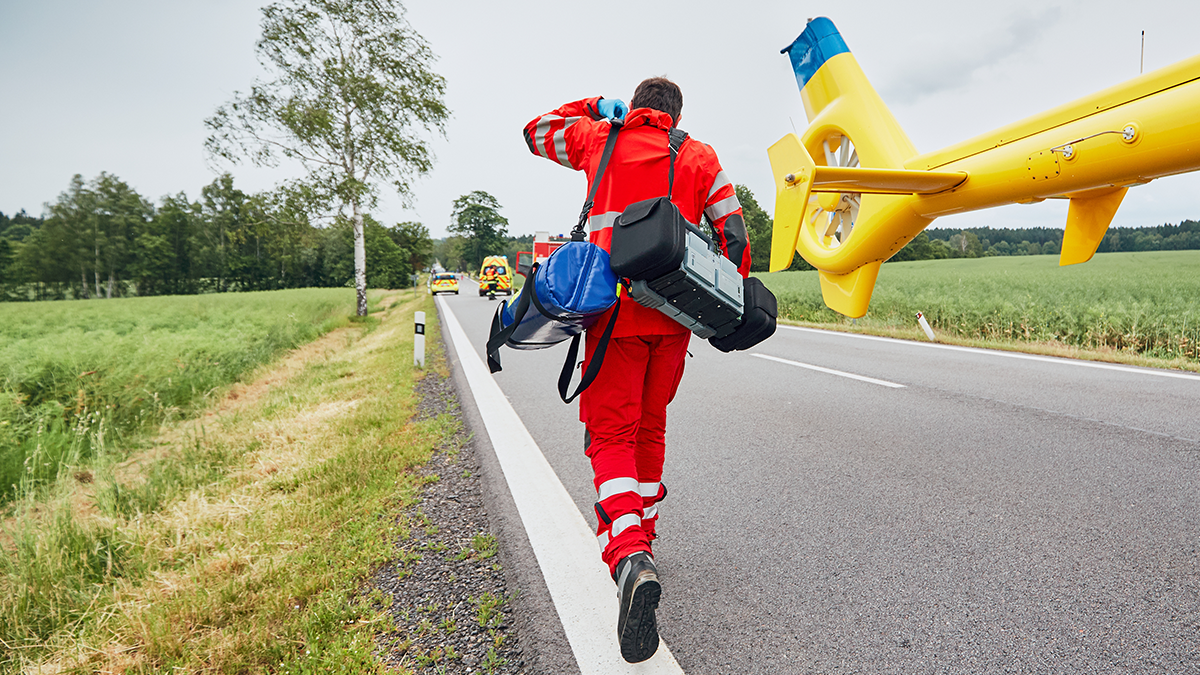
SAMHSA recognizes the urgent need for emergency medical services (EMS) in rural areas and the critical role EMS personnel play across the country. While the need for a strong and diverse rural EMS workforce with the ability to address behavioral health is great, rural areas lack the training to build and maintain such a workforce. In rural areas, the absence of advanced-level EMS providers—who are more likely to administer overdose reversal drugs than less-trained EMS providers—has been shown to contribute to increased overdose death rates. Further, Lack of EMS Access in Rural Areas Linked to Increased Suicide Rates (PDF | 449 KB). Barriers to building a strong EMS workforce include tuition for certification, which individuals are responsible for. These out-of-pocket costs vary, depending on the institution and level of certification. Typically, education requirements (PDF | 194 KB) it is 40 hours for first responders, 120-150 hours for Emergency Medical Technicians (EMTs), and 1,000 hours for paramedics. In rural areas, where rely heavily on volunteer EMS professionals (PDF | 542 KB)these requirements are a particularly heavy burden.

The purpose of the SAMHSA-sponsored Rural EMS Training grant program is to recruit and train EMS personnel in rural areas, with a specific focus on addressing substance use disorders (SUDs) and co-occurring mental health and substance use disorders (CODs). Grant recipients are expected to train EMS personnel in SUD and COD, trauma-informed, rehabilitation-based care for individuals with such disorders in emergency situations and, as appropriate, obtain and maintain licenses and certifications required to serve in an EMS service. With this program, SAMHSA aims to provide support to rural EMS services to build and sustain behavioral health workforce programs, expand providers’ capacity to respond to health emergencies, and improve physical infrastructure through of acquiring the necessary equipment and supplies.

SAMHSA first funded the Rural EMS Training grant program in 2020. In 2024, the fifth cohort of this grant program was awarded to 62 EMS organizations across the country. Funding and commitment to this program is growing every year. Over the past five years, SAMHSA has invested over $38.7 million in training and support for rural EMS organizations across the country. From 2020 to 2024, SAMHSA presented a total of 197 awards to 116 unique rural EMS organizations. Most nominated organizations (63.8 percent) have been awarded only once, while 18 percent have received at least two awards.

In addition to providing an excellent opportunity to recruit and train over 20,000 EMS personnel across the country, this program has also provided opportunities for organizations to improve their practice:

  • Jersey Community Hospital District (IL): The organization was able to host community business executives to educate them on cardiopulmonary resuscitation (CPR), automated external defibrillators (AEDs) and naloxone during lunch and staff learning events.
  • Morgan County (WV) Rescue: One of the requirements of this grant is to train EMS personnel in administering overdose reversal medication, motivational interviewing and de-escalation techniques. As a result, the agency has seen the survival rate for patients with life-threatening emergencies increase by 5 percent and patient satisfaction with EMS services increase by 15 percent since the program began. The program also helped improve coordination of care between EMS and other health care providers.
  • Rio Arriba County (MN): Due to the popularity and relevance of the SUD-related curriculum in the EMS First Responder courses provided through the grant, the University of New Mexico-Taos plans to incorporate similar content into all of its EMS courses in the future and offer related training SUD programs for volunteer fire departments across the county.
  • Brooks Ambulance (ME): The grant program helped build community engagement across sites and build cross-departmental relationships to promote collaboration and strengthen partnerships and awareness of available community support resources to address behavioral health issues.
  • Lester E. Cox Medical Centers (MO): After receiving the grant, Lester E. Cox Medical Centers has new full-time Community Paramedics and recently trained several on-site paramedics to help patients who have substance use needs and access health care.
  • Golden Valley Memorial Hospital (MO) Ambulance: This organization works closely with other providers to implement protocols that connect people who have experienced an opioid overdose with SUD treatment.
  • Washington Co Ambulance (MO): The grant allowed this organization to develop the Mobile Integrated Health and Community Paramedic project, which includes overdose and mental health emergency response. They have been able to leverage other programs to grow and have reported positive results in EMS practice.
  • Pine Hill Indian Community Development Initiative (SC): In alignment with the grant program, this organization started a weekly First Responder (“Warrior Spirit”) mental wellness meeting every Thursday evening at Pine Hill Health Network.
  • Lawrence County (TN) Court: Lawrence County EMS has made significant changes to treatment policies and is in the process of improving treatment programs to better serve community members with SUDs.

Recipients of the Rural EMS Training grants have provided feedback on the program’s impact, with comments such as, “…it’s literally the only thing that can keep rural EMS services alive” and “what needs to be emphasized and impressed. is that this grant has given this institute the tools to provide a successful learning environment for years to come.”

On September 26, 2024, the bipartisan EMS Rural Emergency Support and Enhancement (SIREN) for reauthorization signed into law reauthorizing funding for the Rural EMS Training program for five additional years through fiscal year 2028.

In determining which grantees to highlight for this blog, staff (including government project officers) identified grantees that represent the breadth of SAMHSA’s rural behavioral health portfolio by reflecting diversity in: 1) population served or focus population (eg; e.g. age, nationality, sexual origin, orientation, social context of the family or the individual). 2) geography (eg rural or regional); 3) implementation strategies (eg, number of EMS personnel recruited and trained, program implementation and impact); and 4) outcome of focus (eg, increasing the rural EMS workforce, preventing a downstream outcome such as overdose).

Day health National resilience Rural strengthening
bhanuprakash.cg
healthtost
  • Website

Related Posts

Research shows that bamboo-based foods could support metabolic health

January 19, 2026

How World War II transformed sexual health practices and condom use in Sweden

January 18, 2026

Father’s early behavior linked to child’s heart and metabolic health years later

January 17, 2026

Leave A Reply Cancel Reply

Don't Miss
News

Research shows that bamboo-based foods could support metabolic health

By healthtostJanuary 19, 20260

A comprehensive review weighs the promise of bamboo shoots as a nutrient-rich, sustainable food against…

30 minute dumbbell chest routine without a bench

January 19, 2026

Urea Body Lotion for Dry & Rough Skin

January 19, 2026

Under Eye Caffeine: What It Is, How It Works, and Why It Matters

January 19, 2026
Stay In Touch
  • Facebook
  • Twitter
  • Pinterest
  • Instagram
  • YouTube
  • Vimeo
TAGS
Baby benefits body brain cancer care Day Diet disease exercise finds Fitness food Guide health healthy heart Improve Life Loss Men mental Natural Nutrition Patients People Pregnancy protein research reveals risk routine sex sexual Skin study Therapy Tips Top Training Treatment ways weight women Workout
About Us
About Us

Welcome to HealthTost, your trusted source for breaking health news, expert insights, and wellness inspiration. At HealthTost, we are committed to delivering accurate, timely, and empowering information to help you make informed decisions about your health and well-being.

Latest Articles

Research shows that bamboo-based foods could support metabolic health

January 19, 2026

30 minute dumbbell chest routine without a bench

January 19, 2026

Urea Body Lotion for Dry & Rough Skin

January 19, 2026
New Comments
    Facebook X (Twitter) Instagram Pinterest
    • About Us
    • Contact Us
    • Privacy Policy
    • Terms and Conditions
    • Disclaimer
    © 2026 HealthTost. All Rights Reserved.

    Type above and press Enter to search. Press Esc to cancel.