

Close Menu
Healthtost
  • News
  • Mental Health
  • Men’s Health
  • Women’s Health
  • Skin Care
  • Sexual Health
  • Pregnancy
  • Nutrition
  • Fitness
  • Recommended Essentials
What's Hot

Postpartum massage near me: How to know it’s right

January 21, 2026

What your physical therapist should tell you about your pelvic floor

January 20, 2026

5 Dietitian-Approved Healthy School Snacks Kids Eat

January 20, 2026
Facebook X (Twitter) Instagram
  • About Us
  • Contact Us
  • Privacy Policy
  • Terms and Conditions
  • Disclaimer
Facebook X (Twitter) Instagram
Healthtost
SUBSCRIBE
  • News

    New genetic insights reveal the role of vitamin B1 in gut health and motility

    January 20, 2026

    Genomic screening reveals hidden risk of cancer and heart disease in young adults

    January 20, 2026

    Perceived injustice exacerbates trauma symptoms following the October 7 attack

    January 19, 2026

    Research shows that bamboo-based foods could support metabolic health

    January 19, 2026

    Global Alzheimer’s Platform Foundation Announces Strategic Partnership and Collaboration with Spear Bio on Bio-Hermes-002 Transformative Study

    January 18, 2026
  • Mental Health

    Alcohol abuse prevention: A conversation for everyone

    January 19, 2026

    How to apply for a fully funded PhD in the UK

    January 8, 2026

    9 Secrets on How to Stop Procrastinating

    January 6, 2026

    Setting boundaries for self-care in 2026

    January 4, 2026

    In a world of digital money, what is the proper etiquette for splitting the bill with friends?

    January 1, 2026
  • Men’s Health

    30 minute dumbbell chest routine without a bench

    January 19, 2026

    Father’s early behavior linked to child’s heart and metabolic health years later

    January 17, 2026

    Why it still makes sense to limit saturated fat

    January 17, 2026

    Escape Gym Groundhog Day: Why your workout takes seasons

    January 16, 2026

    What is Blue Collar Guilt?

    January 14, 2026
  • Women’s Health

    The best way to work out over 40: Build strength, muscle and shape

    January 20, 2026

    Community EquiLife detox – The Fitnessista

    January 20, 2026

    Urea Body Lotion for Dry & Rough Skin

    January 19, 2026

    Women’s Primary Care Physicians in Alexandria, VA: Wellness

    January 18, 2026

    You’re Not Failing: Navigating Student Loan Debt, Mental Health, and Paycheck Garnishment

    January 17, 2026
  • Skin Care

    Postpartum massage near me: How to know it’s right

    January 21, 2026

    The Skin Barrier and Acne: Why Breakouts Are Back!

    January 20, 2026

    Choose the perfect SPF – The natural wash

    January 20, 2026

    Reduce shine areas – Tropic Skincare

    January 19, 2026

    Under Eye Caffeine: What It Is, How It Works, and Why It Matters

    January 19, 2026
  • Sexual Health

    Insights on Men, Intimacy and Emerging Relationship Cultures by Laura Ramadei — Sexual Health Alliance

    January 20, 2026

    HPV vaccination and screening help Australia move closer to eliminating cervical cancer

    January 17, 2026

    Your ultimate guide to climax and orgasm control

    January 16, 2026

    Stillbirths may be more common in US than previously known—Study

    January 14, 2026

    COVID-19 heightens vulnerabilities for women asylum seekers and refugee women in South Africa < SRHM

    January 14, 2026
  • Pregnancy

    What your physical therapist should tell you about your pelvic floor

    January 20, 2026

    20 sweet Valentine’s Day gifts for the first baby on February 14th

    January 19, 2026

    10 Ways Pomegranate Can Support a Healthy Pregnancy

    January 18, 2026

    Do you need fitness insurance?

    January 17, 2026

    15 Safe Home Remedies for Pregnancy Acne

    January 17, 2026
  • Nutrition

    5 Dietitian-Approved Healthy School Snacks Kids Eat

    January 20, 2026

    How to Support Your Liver Naturally—Without a Juice Cleanse!

    January 20, 2026

    Chicken Biryani Recipes: The Timeless Desi Classic that rules every table

    January 19, 2026

    Is it okay to skip meals? This is what could happen.

    January 18, 2026

    When should you see a physical therapist? 7 Signs You Shouldn’t Ignore

    January 17, 2026
  • Fitness

    Why Your Body Isn’t Responding After 40 (And What’s Working Now)

    January 20, 2026

    Ben Greenfield Weekly Update: January 9th

    January 19, 2026

    Butt Targets: An Evidence-Based Butt Workout

    January 19, 2026

    Superathlete Alvaro Núñez Alfaro shares his methods for staying lean, focused and consistent all year round

    January 18, 2026

    Not sure your multivitamin is working? 3 ways the signal could be missing

    January 16, 2026
  • Recommended Essentials
Healthtost
Home»News»Study shows no developmental delays in toddlers after COVID-19 infection
News

Study shows no developmental delays in toddlers after COVID-19 infection

healthtostBy healthtostOctober 16, 2024No Comments4 Mins Read
Facebook Twitter Pinterest LinkedIn Tumblr Reddit WhatsApp Email
Study Shows No Developmental Delays In Toddlers After Covid 19 Infection
Share
Facebook Twitter LinkedIn Pinterest WhatsApp Email

While infants appear resilient to COVID-19, this new study highlights how socioeconomic factors, not the virus, may play a larger role in developmental outcomes.

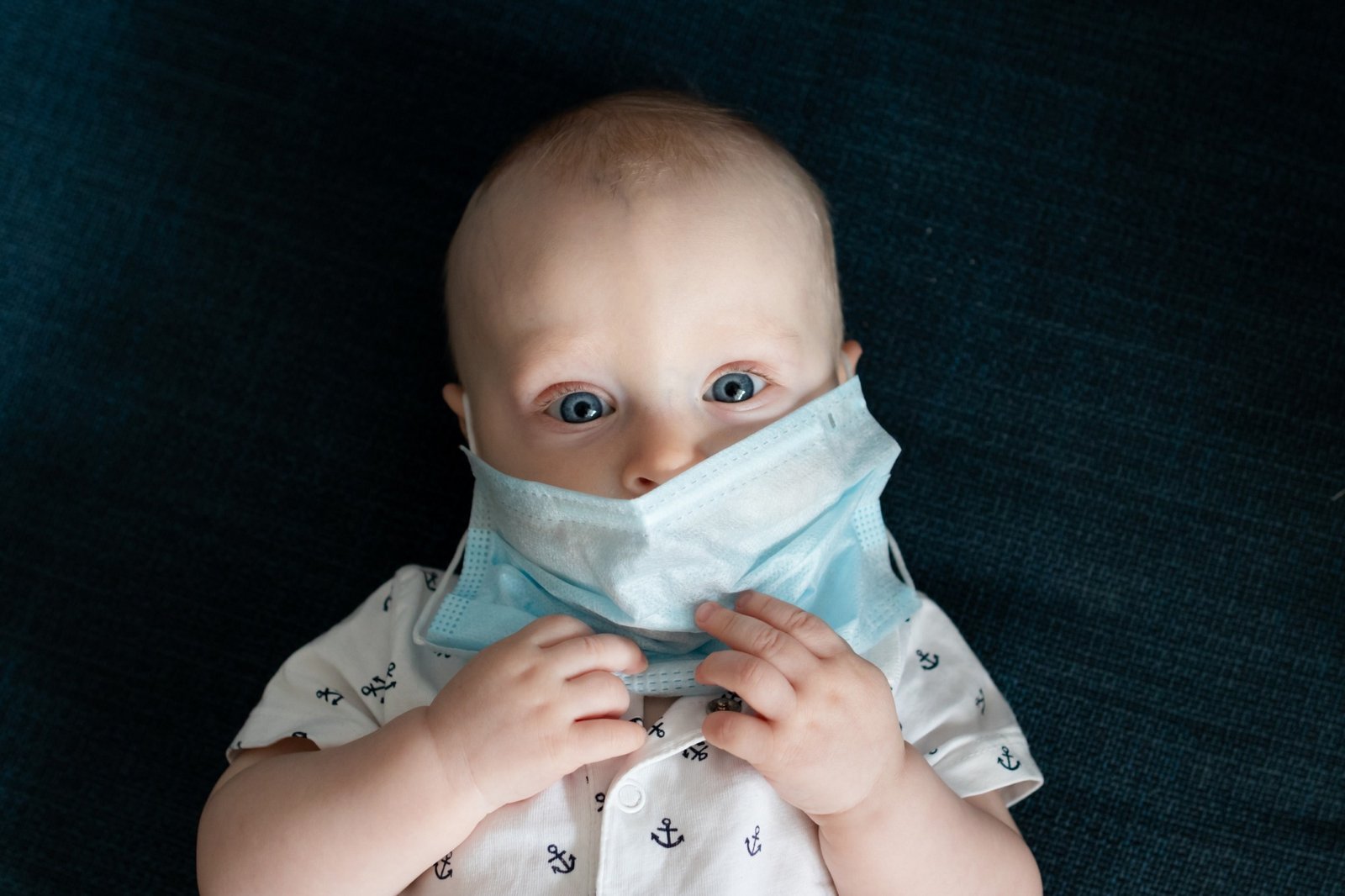
Study: Association between SARS-CoV-2 infection before the age of two years and child development. Image credit: Nina Aleksandryuk / Shutterstock.com

A recent study published in the journal Pediatric Research assesses the potential impact of severe acute respiratory syndrome coronavirus 2 (SARS-CoV-2) infection on cognitive development in children aged two years and younger.

How does COVID-19 affect children?

Initially, SARS-CoV-2 was highly virulent in adults, with children usually showing mild or no symptoms. However, the emergence of the Omicron SARS-CoV-2 variant has led more diverse populations to experience symptoms following infection, with respiratory symptoms and fever being more commonly seen in younger populations.

At the same time, the incidence of coronavirus disease 2019 (COVID-19) and post-COVID-19 conditions has increased, particularly among adults and adolescents. Cognitive difficulties are widespread among people with long-term COVID-19, even those who experienced mild symptoms during infection.

Since children infected with newer variants of SARS-CoV-2 are more likely to develop symptoms than children infected with earlier strains of the virus, it is important to assess how cognition may be affected after recovery from the virus. COVID-19.

About the study

In the current study, researchers are evaluating the impact of COVID-19 on development in children under two years of age. This study was conducted in a pediatric outpatient clinic in southern Thailand, enrolling children aged between 18 and 24 months.

Children diagnosed with COVID-19 before February 2022, as well as those with epilepsy or documented developmental delays, were excluded from the analysis. The Thai version of the Ages and Stages Questionnaire (ASQ)-3 was administered during scheduled health check-ups.

The primary outcome was the ASQ-3 score, which assesses the child’s development in five domains: problem solving, personal-social, communication, fine motor, and gross motor. Caregivers rated items in each domain and reported the child’s ability to perform the task as “yes,” “sometimes,” or “no,” which were scored as 10, five, and zero, respectively.

Children with an ASQ-3 score of two or less and those who completed learning activities and attended assessments close to this value were advised to undergo additional developmental assessments. COVID-19 status was confirmed if the study participant experienced symptoms or was in close contact with a case of COVID-19 and tested positive for SARS-CoV-2 by reverse transcription polymerase chain reaction (RT-PCR) assay or antigen test .

Correlations between variables were tested using the Fisher’s exact or chi-squared test for categorical variables and the Mann-Whitney U test for continuous variables in univariate analysis. Associations from categorical and continuous outcomes were further tested using logistic and quantile regression, respectively, in multivariate analyzes adjusted for covariates.

Study findings

A total of 535 participants aged between 17 and 23 months were included in the present study, 45.8% of whom had a history of COVID-19. Questionnaire data were available for 336 participants, 53.6% of whom had been diagnosed with COVID-19. Univariate analysis identified a significant association between COVID-19 status and socioeconomic status.

Income and education levels of primary caregivers were significantly higher in the COVID-19 group. In the COVID-19 group, about 97% of study participants experienced symptoms, with fever reported in over 94% of patients.

More than two-thirds of patients had upper respiratory tract infections. Only one patient with COVID-19 had abnormal findings on chest X-ray.

The median age at the time of SARS-CoV-2 infection was 1.3 years, and the median duration of infection before assessment was 193.5 days. No significant associations were observed between COVID-19 status and ASQ-3 scores at the 18-month assessment.

In comparison, problem-solving scores were lower among those with a history of COVID-19 at the 24-month assessment. However, this association was not statistically significant.

conclusions

The current study found no evidence to suggest that SARS-CoV-2 infection in children under the age of two increases the risk of developmental delays an average of six months after infection.

Significant differences in socioeconomic status were observed between the COVID-19 and non-COVID-19 groups. Additionally, occupations involving collaborative spaces were common among caregivers of children with COVID-19. In comparison, caregivers of those without COVID-19 were more likely to be unemployed or business owners.

Notable limitations of the current study include the lack of data on in-utero COVID-19, potential misclassification of COVID-19, reporting bias as the ASQ-3 is parent-reported, and lack of assessments of subtle neurodevelopmental changes such as executive function.

Journal Reference:

  • Tassanakijpanich, N., Chumchuen, K., Worachotekamjorn, J., & Laoprasopwattana, K. (2024). Association between SARS-CoV-2 infection before the age of two years and child development. Pediatric Research. doi:10.1038/s41390-024-03614-5
COVID19 delays developmental infection shows study Toddlers
bhanuprakash.cg
healthtost
  • Website

Related Posts

New genetic insights reveal the role of vitamin B1 in gut health and motility

January 20, 2026

Genomic screening reveals hidden risk of cancer and heart disease in young adults

January 20, 2026

Perceived injustice exacerbates trauma symptoms following the October 7 attack

January 19, 2026

Leave A Reply Cancel Reply

Don't Miss
Skin Care

Postpartum massage near me: How to know it’s right

By healthtostJanuary 21, 20260

Researcher postpartum massage near me it is usually not a luxury. This is a relief.…

What your physical therapist should tell you about your pelvic floor

January 20, 2026

5 Dietitian-Approved Healthy School Snacks Kids Eat

January 20, 2026

New genetic insights reveal the role of vitamin B1 in gut health and motility

January 20, 2026
Stay In Touch
  • Facebook
  • Twitter
  • Pinterest
  • Instagram
  • YouTube
  • Vimeo
TAGS
Baby benefits body brain cancer care Day Diet disease exercise finds Fitness food Guide health healthy heart Improve Life Loss Men mental Natural Nutrition Patients People Pregnancy protein research reveals risk routine sex sexual Skin study Therapy Tips Top Training Treatment ways weight women Workout
About Us
About Us

Welcome to HealthTost, your trusted source for breaking health news, expert insights, and wellness inspiration. At HealthTost, we are committed to delivering accurate, timely, and empowering information to help you make informed decisions about your health and well-being.

Latest Articles

Postpartum massage near me: How to know it’s right

January 21, 2026

What your physical therapist should tell you about your pelvic floor

January 20, 2026

5 Dietitian-Approved Healthy School Snacks Kids Eat

January 20, 2026
New Comments
    Facebook X (Twitter) Instagram Pinterest
    • About Us
    • Contact Us
    • Privacy Policy
    • Terms and Conditions
    • Disclaimer
    © 2026 HealthTost. All Rights Reserved.

    Type above and press Enter to search. Press Esc to cancel.