

Close Menu
Healthtost
  • News
  • Mental Health
  • Men’s Health
  • Women’s Health
  • Skin Care
  • Sexual Health
  • Pregnancy
  • Nutrition
  • Fitness
  • Recommended Essentials
What's Hot

Women’s Primary Care Physicians in Alexandria, VA: Wellness

January 18, 2026

Superathlete Alvaro Núñez Alfaro shares his methods for staying lean, focused and consistent all year round

January 18, 2026

How World War II transformed sexual health practices and condom use in Sweden

January 18, 2026
Facebook X (Twitter) Instagram
  • About Us
  • Contact Us
  • Privacy Policy
  • Terms and Conditions
  • Disclaimer
Facebook X (Twitter) Instagram
Healthtost
SUBSCRIBE
  • News

    How World War II transformed sexual health practices and condom use in Sweden

    January 18, 2026

    New research compares different well-being-focused interventions delivered to adults

    January 17, 2026

    PSA-based tool improves decision-making for prostate cancer screening and treatment

    January 17, 2026

    The FDA-cleared ADHD device is not effective in reducing symptoms

    January 16, 2026

    Incretin-based diabetes drugs show possible protective effects against dementia

    January 16, 2026
  • Mental Health

    How to apply for a fully funded PhD in the UK

    January 8, 2026

    9 Secrets on How to Stop Procrastinating

    January 6, 2026

    Setting boundaries for self-care in 2026

    January 4, 2026

    In a world of digital money, what is the proper etiquette for splitting the bill with friends?

    January 1, 2026

    Rest is essential during the holidays, but it can mean getting active, not crashing on the couch

    December 26, 2025
  • Men’s Health

    Father’s early behavior linked to child’s heart and metabolic health years later

    January 17, 2026

    Why it still makes sense to limit saturated fat

    January 17, 2026

    Escape Gym Groundhog Day: Why your workout takes seasons

    January 16, 2026

    What is Blue Collar Guilt?

    January 14, 2026

    Glucose stability in diabetes is enhanced by natural daylight

    January 10, 2026
  • Women’s Health

    Women’s Primary Care Physicians in Alexandria, VA: Wellness

    January 18, 2026

    You’re Not Failing: Navigating Student Loan Debt, Mental Health, and Paycheck Garnishment

    January 17, 2026

    What really works? – Vuvatech

    January 16, 2026

    What is mental wellness and how does it differ from mental health?

    January 14, 2026

    Beyond weight loss: How GLP-1 ‘miracle drugs’ are revolutionizing whole-body health

    January 14, 2026
  • Skin Care

    An OUMERE Scientific and Regul – OUMERE

    January 16, 2026

    Collagen Induction Treatments in Rittenhouse Square

    January 15, 2026

    🥜⚠️ Why nut allergies are on the rise—and what it means for its future

    January 14, 2026

    Postnatal massage: Benefits, timing and what to book

    January 13, 2026

    Prepare your lips for the cold with TNW Lip Balm – The Natural Wash

    January 12, 2026
  • Sexual Health

    HPV vaccination and screening help Australia move closer to eliminating cervical cancer

    January 17, 2026

    Your ultimate guide to climax and orgasm control

    January 16, 2026

    Stillbirths may be more common in US than previously known—Study

    January 14, 2026

    COVID-19 heightens vulnerabilities for women asylum seekers and refugee women in South Africa < SRHM

    January 14, 2026

    What does an unclear test result mean?

    January 13, 2026
  • Pregnancy

    Do you need fitness insurance?

    January 17, 2026

    15 Safe Home Remedies for Pregnancy Acne

    January 17, 2026

    Weighing in: How GLP-1s fit into your pregnancy plans

    January 15, 2026

    5 foods, 4 habits, 3 reminders

    January 14, 2026

    I’m pregnant… Now what? 13 Things You Should Do Right Now

    January 14, 2026
  • Nutrition

    When should you see a physical therapist? 7 Signs You Shouldn’t Ignore

    January 17, 2026

    Sliced ​​meatballs | The Nutritionist Reviews

    January 16, 2026

    5-ingredient skillet dinner recipe

    January 15, 2026

    Family sheet-Gnocchi pan with vegetables and chicken sausage (30 minutes!)

    January 15, 2026

    3 Easy, Nutritious Salads – JSHealth

    January 13, 2026
  • Fitness

    Superathlete Alvaro Núñez Alfaro shares his methods for staying lean, focused and consistent all year round

    January 18, 2026

    Not sure your multivitamin is working? 3 ways the signal could be missing

    January 16, 2026

    Barbell RDL: Proper Form & Benefits

    January 15, 2026

    Lazy high protein dinners that I make when I don’t feel like cooking

    January 15, 2026

    Behavioral health 101: What it means and why it matters

    January 14, 2026
  • Recommended Essentials
Healthtost
Home»News»Can mushrooms improve your memory?
News

Can mushrooms improve your memory?

healthtostBy healthtostJanuary 29, 2024No Comments4 Mins Read
Facebook Twitter Pinterest LinkedIn Tumblr Reddit WhatsApp Email
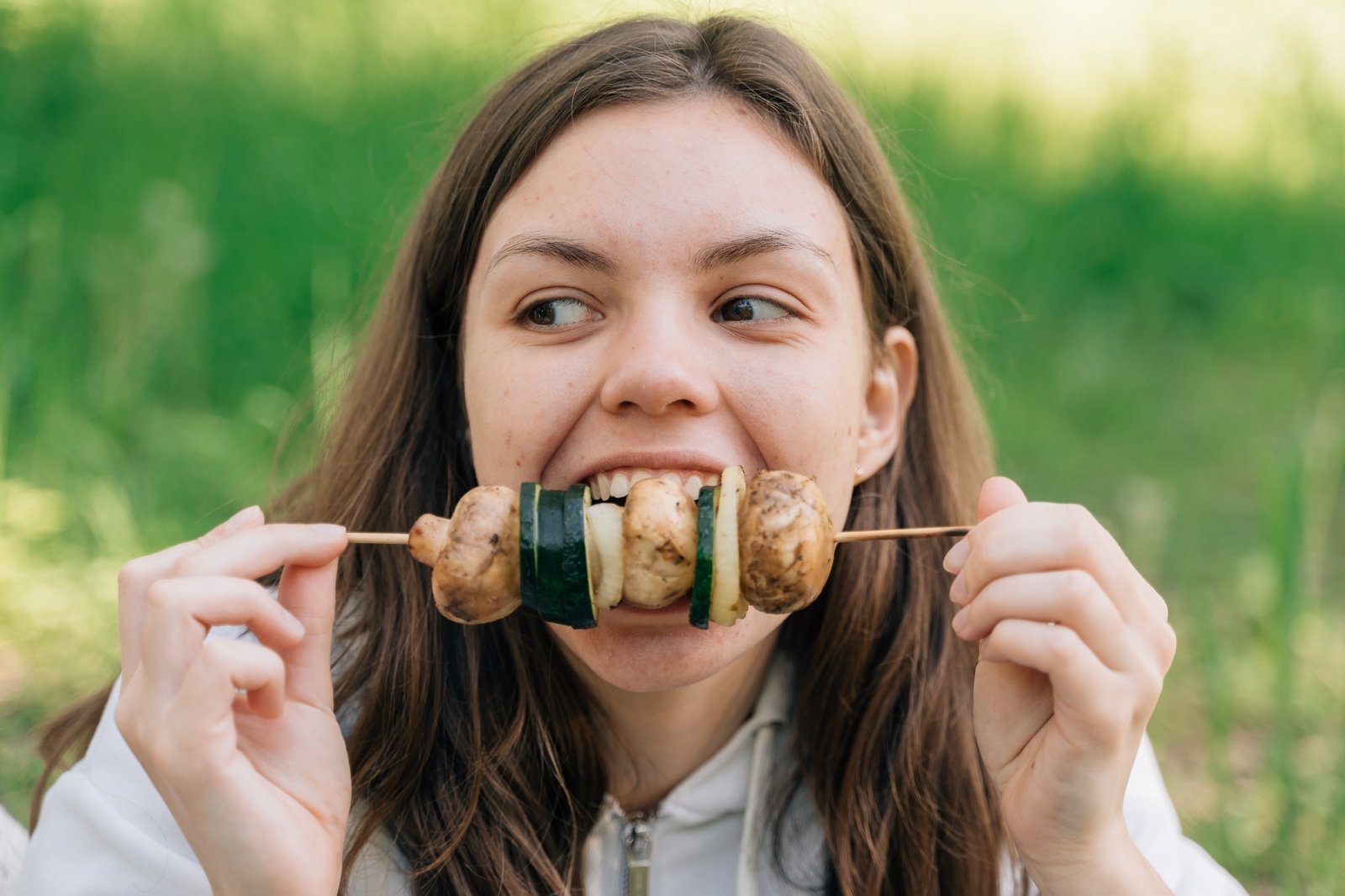
Can Mushrooms Improve Your Memory?
Share
Facebook Twitter LinkedIn Pinterest WhatsApp Email

In a recent study published in Nutrientsresearchers investigated associations between mushroom intake and cognitive performance.

Study: The relationship between mushroom intake and cognitive performance: An epidemiological study in the European Investigation of Cancer-Norfolk Cohort (EPIC-Norfolk). Image credit: Troyan/Shutterstock.com

Record

Aging is associated with changes in behavior and cognition, with declines in executive function, global memory, daily living skills, and mood.

Evidence implicates diet as an important modifiable factor in alleviating age-related cognitive decline, and several studies have revealed the neurocognitive health benefits of different food components. Culinary mushrooms are an excellent source of fiber, protein, phytochemicals and vitamins.

Bioactive compounds in mushrooms have been described as anti-inflammatory agents, promoting neurogenesis and regulating neurotransmitter release. Evidence from epidemiological studies suggests a positive association between intake of a plant-rich diet, including mushrooms, and cognitive outcomes.

However, these studies have often not specifically investigated mushroom consumption. Furthermore, studies that specifically investigated mushroom intake have been done mainly in Asian cohorts.

About the study

The present study examined associations between mushroom consumption and cognitive performance in a Western cohort.

They analyzed data from the Epidemiological Study in the European Investigation of Cancer (EPIC)–Norfolk cohort that recruited more than 30,000 people aged 40–92 years in Norfolk, UK.

Participants were enrolled from 1993 onwards and attended several follow-up health checks. The researchers used food frequency questionnaire (FFQ) data from the first three health checks (1HC). [1997-98]2HC [1998-2000]and 3HC [2004-11]) to examine changes in mushroom consumption over time.

The association between mushroom intake and cognitive performance was investigated using data from the 3HC only.

The 3HC included a battery of cognitive tests as part of a neurocognitive battery (EPIC-COG) that assessed attention, reading, executive function, and working, visuospatial, and prospective memory.

Dietary intake was assessed using a semi-quantitative FFQ, where participants rated their intake of individual foods in broad categories (vegetables, fruit, bread, pasta, fish, meat, sweets, dairy products, drinks, sweets and sauces).

Participants defined consumption frequency as one serving/day, four to five servings/day, one serving/week, two to four servings/week, five to six servings/week, never or less than once/month, and up to three servings /month.

These categorical data were used to calculate mean mushroom intake and results were reported as servings/week.

Multivariate analysis of covariance examined differences in cognitive performance across four intake categories (less than one serving/month or never, one to three servings/month, one serving/week, and more than one serving/week) for each cognitive domain, taking into account age, sex, body mass index (BMI), physical activity. The group was additionally adjusted for daily fruit and vegetable intake.

Foundings

Of the 8,263 participants, over 59% reported the frequency of mushroom intake at all three times.

Mean weekly mushroom consumption was significantly different between time points. Mean weekly mushroom intake was significantly reduced from 1.42 servings in 1HC to 1.34 and 1.3 servings in 2HC and 3HC, respectively.

In addition, the percentage of mushroom consumers and non-consumers differed significantly between time points. The proportion of non-consumers increased significantly over time.

Approximately 5,418 participants reported mushroom consumption frequency and had eligible EPIC-COG test scores. Most subjects were white (99.7%) and cognitively healthy.

About 65% were obese or overweight and about 83% were regular mushroom consumers. There was a significant correlation between mushroom consumption and cognitive function.

Significant main effects of mushroom were observed for individual cognitive measures, except for the complex visuospatial memory and paired-associate learning tests.

In addition, data on daily fruit and vegetable intake were available for 5,272 participants. The relationship between cognitive function and mushroom intake remained significant when accounting for daily fruit and vegetable intake. Significant main effects of mushrooms were evident on individual cognitive measures, except for visuospatial memory tasks.

conclusions

The study investigated consumption rates in the EPIC-Norfolk cohort and the relationship between mushroom consumption and cognitive function.

The percentage of mushroom consumers showed a significant decrease over time. Mushroom consumption was positively related to cognitive performance, including executive function, word recall, and prospective memory.

Furthermore, the association remained statistically significant after accounting for fruit and vegetable intake.

A causal conclusion could not be established given the cross-sectional design of the study. the relationship could also be susceptible to reverse causation. Therefore, randomized controlled trials are needed to determine causality and directionality.

Improve memory mushrooms
bhanuprakash.cg
healthtost
  • Website

Related Posts

How World War II transformed sexual health practices and condom use in Sweden

January 18, 2026

New research compares different well-being-focused interventions delivered to adults

January 17, 2026

PSA-based tool improves decision-making for prostate cancer screening and treatment

January 17, 2026

Leave A Reply Cancel Reply

Don't Miss
Women's Health

Women’s Primary Care Physicians in Alexandria, VA: Wellness

By healthtostJanuary 18, 20260

Choosing the right companion for your healthcare journey is one of the most important decisions…

Superathlete Alvaro Núñez Alfaro shares his methods for staying lean, focused and consistent all year round

January 18, 2026

How World War II transformed sexual health practices and condom use in Sweden

January 18, 2026

Do you need fitness insurance?

January 17, 2026
Stay In Touch
  • Facebook
  • Twitter
  • Pinterest
  • Instagram
  • YouTube
  • Vimeo
TAGS
Baby benefits body brain cancer care Day Diet disease exercise finds Fitness food Guide health healthy heart Improve Life Loss Men mental Natural Nutrition Patients People Pregnancy protein research reveals risk routine sex sexual Skin study Therapy Tips Top Training Treatment ways weight women Workout
About Us
About Us

Welcome to HealthTost, your trusted source for breaking health news, expert insights, and wellness inspiration. At HealthTost, we are committed to delivering accurate, timely, and empowering information to help you make informed decisions about your health and well-being.

Latest Articles

Women’s Primary Care Physicians in Alexandria, VA: Wellness

January 18, 2026

Superathlete Alvaro Núñez Alfaro shares his methods for staying lean, focused and consistent all year round

January 18, 2026

How World War II transformed sexual health practices and condom use in Sweden

January 18, 2026
New Comments
    Facebook X (Twitter) Instagram Pinterest
    • About Us
    • Contact Us
    • Privacy Policy
    • Terms and Conditions
    • Disclaimer
    © 2026 HealthTost. All Rights Reserved.

    Type above and press Enter to search. Press Esc to cancel.