

Close Menu
Healthtost
  • News
  • Mental Health
  • Men’s Health
  • Women’s Health
  • Skin Care
  • Sexual Health
  • Pregnancy
  • Nutrition
  • Fitness
  • Recommended Essentials
What's Hot

Whole grain diets may reduce the risk of inflammatory bowel disease

March 25, 2026

Your March Wellness Horoscope | HUM Nutrition Blog

March 25, 2026

Systematic review identifies stress-induced biological activators in oncology

March 25, 2026
Facebook X (Twitter) Instagram
  • About Us
  • Contact Us
  • Privacy Policy
  • Terms and Conditions
  • Disclaimer
Facebook X (Twitter) Instagram
Healthtost
SUBSCRIBE
  • News

    Whole grain diets may reduce the risk of inflammatory bowel disease

    March 25, 2026

    Systematic review identifies stress-induced biological activators in oncology

    March 25, 2026

    Conflict exposure increases PTSD and suicide among youth in Ukraine

    March 24, 2026

    The first Pittcon experience in San Antonio was a great success

    March 24, 2026

    New dual blood test reduces false positives in Alzheimer’s screening

    March 23, 2026
  • Mental Health

    What is hunger in the air? And can it be treated?

    March 24, 2026

    Why bipolar people are not your porn inspiration

    March 21, 2026

    Does medicinal cannabis work for depression, anxiety or PTSD? Our study says there is no evidence

    March 20, 2026

    Anxiety and ADHD can overlap—here’s how to untangle these widespread mental health disorders

    March 16, 2026

    How Mental Health Professionals Can Earn CE…

    March 13, 2026
  • Men’s Health

    Moderate coffee intake may reduce the risk of heart failure

    March 25, 2026

    The hidden cost of redundancy: How we amplify chronic pain in clinical settings

    March 24, 2026

    How to find the love of your life and build the relationship of your dreams

    March 23, 2026

    The Nitty Gritty About Prostate Cancer and Screening

    March 20, 2026

    Low testosterone almost broke me

    March 19, 2026
  • Women’s Health

    What’s Really Happening (and What You Can Do About It) – Vuvatech

    March 25, 2026

    Why “Just Exercise” Is Not Enough: The Power of Precision in Exercise Prescription

    March 24, 2026

    I’m an aerialist — even with multiple sclerosis

    March 22, 2026

    Hamilton Women’s Gym

    March 22, 2026

    201: Sleep Tips That Really Work | Morning routines, magnesium, meal timing and more

    March 21, 2026
  • Skin Care

    How to use Retinal in your skincare routine – Tropic Skincare

    March 25, 2026

    Jeuveau vs Dysport: Which Wrinkle Treatment is Right for You?

    March 24, 2026

    Common causes of sensitive skin and how hypoallergenic care helps

    March 21, 2026

    Facials Los Angeles: The Best Event-Ready Treatments to Book

    March 19, 2026

    Winter skincare essentials – The natural wash

    March 18, 2026
  • Sexual Health

    Contraceptive services stopped after the ‘Defunding’ of Clinic Visits

    March 24, 2026

    Let’s not forget the “most left behind”! < SRHM

    March 24, 2026

    How long does it take for HIV symptoms to appear?

    March 23, 2026

    Technology-facilitated sexual violence has entered Chat — Alliance for Sexual Health

    March 22, 2026

    Queer Muslims find community through Ramadan

    March 17, 2026
  • Pregnancy

    Empowered principles: Supporting families through birth and beyond

    March 24, 2026

    Military Spouse Hospital Birth Stories in the United States vs. Japan plus Postpartum Mental Health Discussion

    March 22, 2026

    Everything you need to know before visiting a newborn

    March 22, 2026

    Dad’s health before conception could affect baby’s future, study finds

    March 21, 2026

    Is stress in the third trimester affecting your baby?

    March 20, 2026
  • Nutrition

    Your March Wellness Horoscope | HUM Nutrition Blog

    March 25, 2026

    Life Updates! • Kath Eats

    March 24, 2026

    Building an anti-inflammatory diet

    March 23, 2026

    Mood-Boosting Breakfast Recipes for Better Gut Health, Balanced Blood Sugar, and Focused Brain

    March 23, 2026

    Update: Florida Toxic Test Methods

    March 22, 2026
  • Fitness

    Walking Pad Benefits for Women Over 40

    March 24, 2026

    Using Reflections to Enhance Your Communication Skills

    March 23, 2026

    Healthy Vegetarian Meal Plan: 1500 Calorie Guide

    March 22, 2026

    How Shereen Pavlides Became The Internet’s Favorite Cooking Coach

    March 22, 2026

    Disney Fantasy Cruise Nassau and Lookout Cay

    March 19, 2026
  • Recommended Essentials
Healthtost
Home»Women's Health»An OB-GYN Talks About Health Equity and Menopause
Women's Health

An OB-GYN Talks About Health Equity and Menopause

healthtostBy healthtostDecember 3, 2023No Comments6 Mins Read
Facebook Twitter Pinterest LinkedIn Tumblr Reddit WhatsApp Email
An Ob Gyn Talks About Health Equity And Menopause
Share
Facebook Twitter LinkedIn Pinterest WhatsApp Email

Menopause is an almost universal experience for women in middle age. And most women will experience some physical, mental and emotional changes in the years leading up to and after the end of their menstrual cycle.

While vasomotor symptoms such as night sweats and hot flashes are common to most women, how long they last and how severe they can be varies by race and ethnicity. Cultural norms can have a significant effect on how women experience menopause as well.

Read: Menopause symptoms are far from universal >>

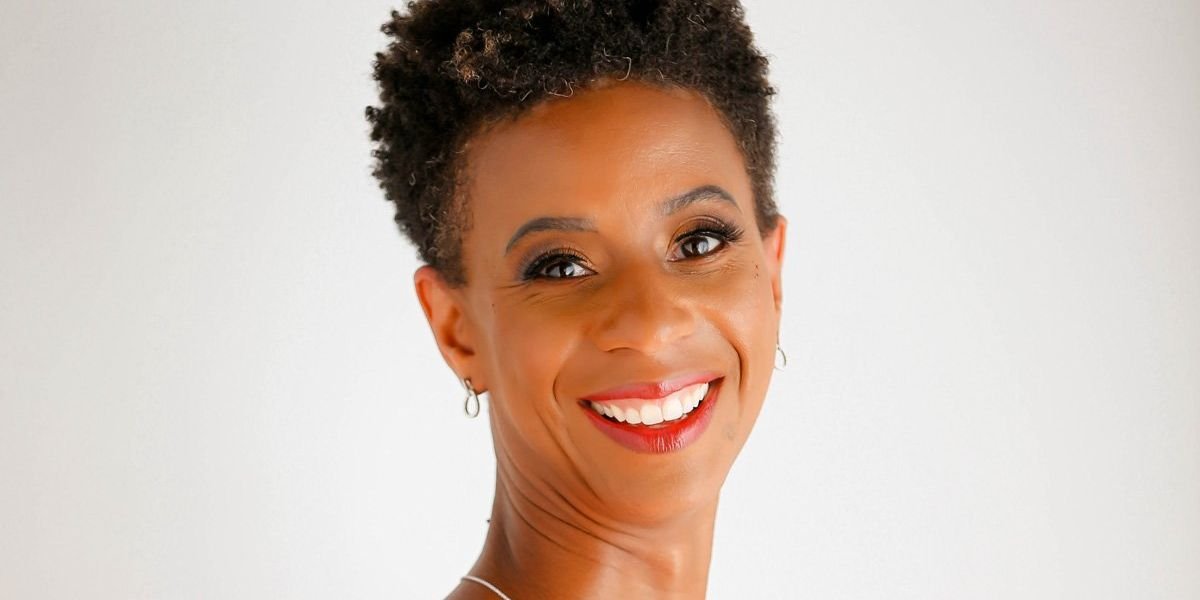
“I had a Latina patient who was having a hard time processing what was happening physically in terms of her hot flashes and night sweats, but also felt like there was no one she could talk to about what she was feeling emotionally,” she said. Makeba L. Williams, MD, professor in the department of obstetrics and gynecology at Washington University School of Medicine in St. Louis. “She said her village was there for her when she had her babies, but no one talked to her about what to expect during menopause. She was almost afraid to tell her mom that she was considering hormone therapy because that was countercultural to her.”

As with other health conditions, racial, ethnic, and cultural disparities can make a difference in menopause care. We spoke with Williams about the connections between racial disparities in menopause and what women can do to make sure they receive care that honors their personal and cultural needs.

This interview has been lightly edited for clarity and length.

Healthy Women: What data are there on racial differences in menopausal symptoms?

Makeba L. Williams: In the SWAN study on women’s health, we found that African American women report having more hot flashes and night sweats. They are taken more often and also for a longer duration — an average of 10 years. It’s nearly 9 years for Hispanic women, 6.5 years for white non-Hispanic women, and even fewer years for Asian women.

Healthy Women: Do we know the reasons for these racial differences?

Makeba L. Williams: We don’t know exactly what drives them. But if we think about women’s health at midlife in a holistic way, vasomotor symptoms like hot flashes and night sweats can be markers for cardiovascular disease. When we consider who is most affected by cardiovascular disease, we come back African American women. This connection leads to more overall health disparities for African American women.

Healthy Women: Living in neighborhoods with higher concentrations of air pollution and less green space may be related to younger age at menopause. What might be the correlation between these factors?

Makeba L. Williams: We are still trying to understand how the environment affects the transition to menopause. Is there a direct connection? Or is it influenced by other factors, where exposure to air pollution and less access to green space cause other conditions that lead to an earlier age at menopause? It is an area that needs to be explored, but we know that socioeconomic disadvantage, stress, caring responsibilities and chronic exposure to racism and discrimination are associated with worsening symptoms. We see many of these factors in African Americans who have these disproportionate levels of menopausal symptoms.

Healthy Women: What other connections did the SWAN study reveal?

Makeba L. Williams: We observed increased cigarette and tobacco use among African Americans and less physical activity. Longer duration of hot flashes and night sweats were associated with stress, lower educational attainment, stress, financial strain, poor social support, obesity, smoking, and lack of a partner. There is still much we don’t know, as women of color have been largely excluded from menopause research. We need to be more inclusive in recruiting diverse research populations to better understand what causes these disparities.

Watch: HealthyWomen Congressional Briefing: Women in Clinical Trials >>

Healthy Women: Can cultural contexts of menopause influence women’s physical, mental, and emotional symptoms?

Makeba L. Williams: Culture can make a difference in what women reveal to others, what they talk about, and what is normative. White women can be more likely to seek treatment, while some women of color may feel they have so many other things to worry about and not seek treatment. In the grand scheme of things, the thought might be, “Do I have time to worry about a hot flash or night sweats? Or a little weight gain around my waist even though I’m working out?’ We can also think about differences in body shapes, which bodies are celebrated in different communities, and how weight is distributed, which means that weight gain may not be considered problematic in some non-white cultures. While 80% of women in menopause will experience hot flashes and night sweats, the level of discomfort can be very different and what these symptoms represent can mean different things between cultures.

Healthy Women: In many Western nations, menopause is often portrayed as a negative experience. Does this differ outside of western contexts?

Makeba L. Williams: A common theme in the literature is that many Minority women perceive this transition as positive. They have an attitude of acceptance and laugh off their symptoms because in the grand scheme of things, they feel they have all these other positive benefits of middle age and menopause. Many will feel liberated for the first time in their lives because they are not facing some of the challenges associated with the reproductive period, such as pregnancy or bleeding. If you are African American and disproportionately affected by fibroids, when your period stops, suddenly you don’t have to worry about having to remember a second pair of clothes or change your daily activities because you don’t know when your period might come. Also, in many cultures, reaching a certain age and point of maturity it comes with respect. There is a feeling that you have reached that famous station in life.

Healthy Women: What is the best way to prepare after menopause, regardless of your cultural background?

Makeba L. Williams: Every woman deserves to have the best menopause care. This may look like asking your health care provider for guidance about menopause in general. This may sound like she’s arguing and saying, “I know there are differences from one person to another and how they experience menopause. Tell me more.” I hate to see women continue to suffer in silence because their mothers or aunts did and their own health care provider won’t raise the issue. I want patients to have agency in seeking information and then they decide what is best for them.

This resource was created with the support of Astellas.

Equity health Menopause OBGYN Talks
bhanuprakash.cg
healthtost
  • Website

Related Posts

What’s Really Happening (and What You Can Do About It) – Vuvatech

March 25, 2026

Why “Just Exercise” Is Not Enough: The Power of Precision in Exercise Prescription

March 24, 2026

Mood-Boosting Breakfast Recipes for Better Gut Health, Balanced Blood Sugar, and Focused Brain

March 23, 2026

Leave A Reply Cancel Reply

Don't Miss
News

Whole grain diets may reduce the risk of inflammatory bowel disease

By healthtostMarch 25, 20260

Enriching the diet with wheat fiber protects mice from intestinal inflammation, according to a study…

Your March Wellness Horoscope | HUM Nutrition Blog

March 25, 2026

Systematic review identifies stress-induced biological activators in oncology

March 25, 2026

Moderate coffee intake may reduce the risk of heart failure

March 25, 2026
Stay In Touch
  • Facebook
  • Twitter
  • Pinterest
  • Instagram
  • YouTube
  • Vimeo
TAGS
Baby benefits body brain cancer care Day Diet disease exercise finds Fitness food Guide health healthy heart Improve Life Loss Men mental Natural Nutrition Patients People Pregnancy research reveals risk routine sex sexual Skin Skincare study Therapy Tips Top Training Treatment ways weight women Workout
About Us
About Us

Welcome to HealthTost, your trusted source for breaking health news, expert insights, and wellness inspiration. At HealthTost, we are committed to delivering accurate, timely, and empowering information to help you make informed decisions about your health and well-being.

Latest Articles

Whole grain diets may reduce the risk of inflammatory bowel disease

March 25, 2026

Your March Wellness Horoscope | HUM Nutrition Blog

March 25, 2026

Systematic review identifies stress-induced biological activators in oncology

March 25, 2026
New Comments
    Facebook X (Twitter) Instagram Pinterest
    • About Us
    • Contact Us
    • Privacy Policy
    • Terms and Conditions
    • Disclaimer
    © 2026 HealthTost. All Rights Reserved.

    Type above and press Enter to search. Press Esc to cancel.