


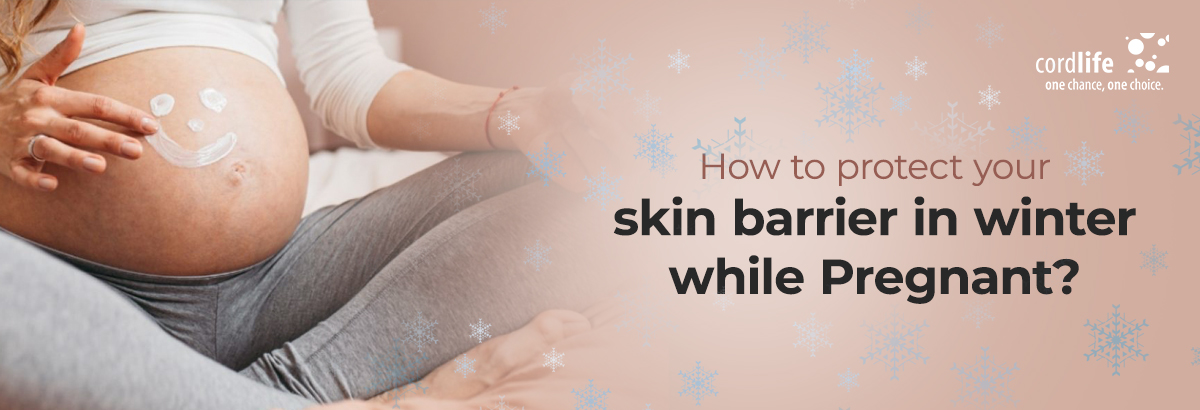
The skin barrier, also known as the stratum corneum, is the outermost layer of the skin. It acts as a protective layer of the skin. It retains moisture and keeps away harmful pollutants and bacteria. Skin care during pregnancy in winter is a priority for many expectant mothers. You face hormonal changes, cooler air, indoor heating and increased dryness. These factors stress the skin barrier and increase sensitivity. You may notice increased redness, dullness or irritation as the humidity drops. Your skin loses moisture more quickly during this time and pregnancy puts more demands on your skin’s natural defenses.
Why winter causes your skin barrier more during pregnancy
The harsh winter causes rapid moisture loss. Also, pregnancy changes oil production, hydration needs and barrier function. When both happen at the same time, your skin’s barrier tends to weaken faster.
Here are some key reasons backed by research.
1. Hormonal changes increase sensitivity
Pregnancy hormones change your skin’s moisture levels. Estrogen affects oil production and progesterone affects inflammation. In addition, winter reduces moisture and strips surface lipids. Therefore, you experience more dryness and irritation.
A dermatology review in the International Journal of Women’s Dermatology describes how pregnancy alters the skin barrier and moisture balance.
Effects you may notice
- Dry patches
- Redness
- Increased tightness in cold environments
Hormonal changes in themselves cause your skin. Winter doubles this effect.
2. Winter air reduces hydration levels
Cold winter air holds less moisture. When you use a heater to stay warm inside your home, it removes even more moisture from your environment. So your skin barrier loses water faster. This weakens the lipid matrix that protects your skin.
This is how it affects your skin
- Faster dehydration
- Rough texture
- Increased risk of cracks
- Greater sensitivity to skin care products
Lower hydration also reduces elasticity, which is important during pregnancy as your skin stretches.
3. Harsh environmental exposure destroys the skin barrier
Exposure to wind, cold temperatures and low humidity irritate the stratum corneum. The barrier weakens when surface lipids are depleted. Pregnancy increases vulnerability because your skin becomes more reactive.
A study at Journal of the European Academy of Dermatology and Venereology confirms that winter conditions significantly disrupt the integrity of the skin barrier.
Symptoms you may notice
- Peeling
- Burning sensations
- More sensitivity to cleaning agents
- Slower recovery after irritation
Winter weather affects the skin more during pregnancy than at other times.
4. Increased water loss during pregnancy
You need more hydration as your blood volume increases during pregnancy to support your growing baby in the womb. In addition, your metabolic activity increases and your skin loses moisture more quickly, especially in dry seasons.
Some common symptoms of water loss
- Drier hands
- Tightness around the abdomen
- More reactive facial skin
This creates a strong need for barrier-supporting skin care.
Safe and effective steps to protect your skin barrier in winter
You can strengthen your skin barrier with simple and safe adjustments. These methods support hydration, repair and everyday comfort.
Use gentle, pregnancy-safe cleansers
Cleaners with harsh surfactants damage the barrier. Choose fragrance-free moisturizing formulas. Avoid strong acids unless approved by your healthcare provider.
Useful options
- Cream-based cleansers
- Compositions with low foaming
- Products with tiles
These preserve essential lipids and prevent over-purification.
Moisturize often with barrier-repairing ingredients
You need moisturizers that support moisture retention. Choose ingredients known to strengthen the barrier.
Dam friendly ingredients
- Tiles
- Hyaluronic acid
- Glycerin
- Squalane
- Niacinamide (if your skin tolerates it)
Apply moisturizer twice a day. Using a thicker cream at night can be helpful.
Boost hydration safely
Drink plenty of water throughout the day. Winter reduces thirst signals, so conscious hydration matters. Increased hydration also supports skin elasticity and circulation. So make sure to hydrate your body on a regular basis.
Use a humidifier in dry indoor environments
Indoor heating drastically reduces humidity levels. A humidifier increases the humidity in the air and reduces TEWL (Transepidermal Water Loss). This supports your skin barrier throughout the night.
Choose winter sunscreens that are safe for pregnancy
Exposure to UV radiation during the winter breaks down the barrier. Use mineral sunscreens for safety and comfort.
Zinc oxide mineral formulas are widely recommended for pregnant women because of their lower potential for irritation.
Protect your skin from wind exposure
When going outside, use scarves, gloves and moisturizers to protect exposed areas. Wind quickly removes moisture and worsens dry patches.
Avoid harsh exfoliation
Excessive exfoliation destroys the barrier. Choose gentle methods. Limit the frequency of exfoliation. Always moisturize after exfoliating.
Conclusion
Skin care during pregnancy in the winter season requires a careful and supportive routine. You manage hormonal changes, hydration needs, barrier stress and environmental changes all at once. When you use safe and consistent steps, you strengthen your skin’s barrier and maintain comfort throughout the season.
A proactive approach helps you maintain calm, supple and well-protected skin as your pregnancy progresses through the winter.
