


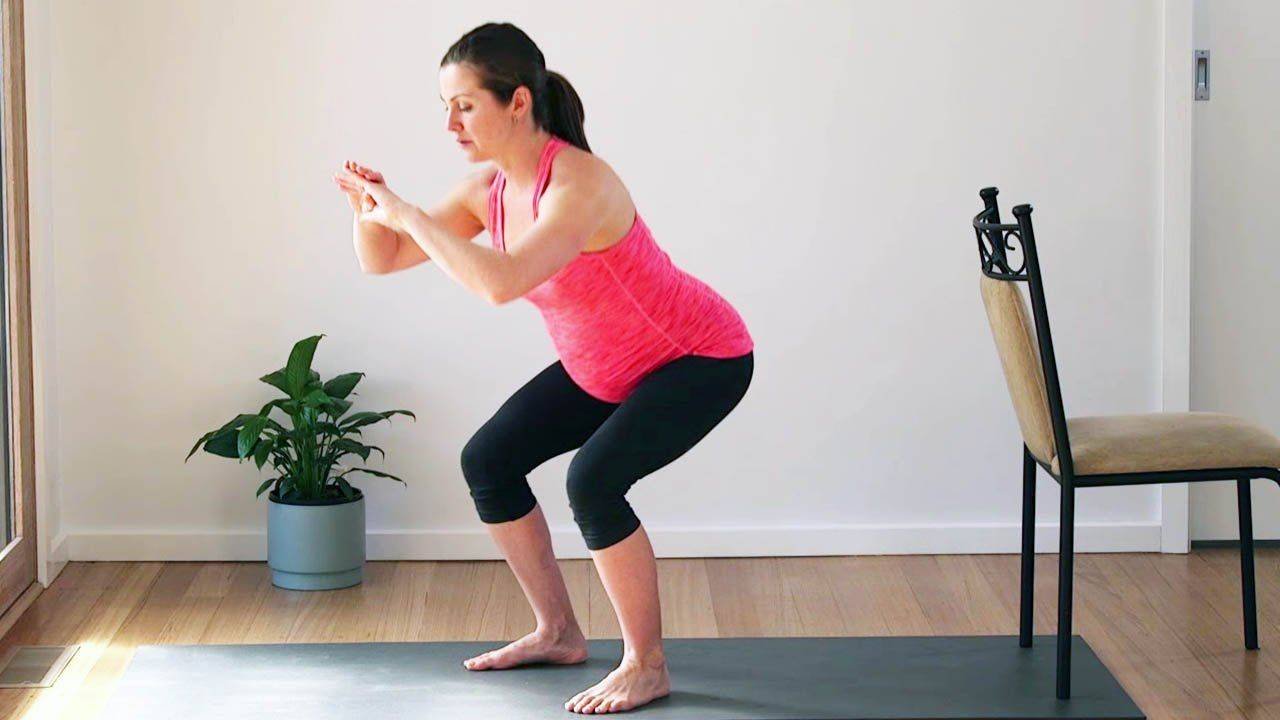
It should be stop exercising during pregnancy immediately if you feel unwell or in pain. It is so important to listen to your body as you know your body better than anyone else!
Always tell your midwife or doctor if you are worried about any particular aches, pains or other issues that have started.
Pay attention to any of the following warning signs when exercising. If you have any of these, stop and call your obstetrician.
When should I stop exercising during pregnancy?
Staying active during pregnancy is vital for both physical and mental well-being. Regular exercise can help relieve symptoms such as back pain, improve mood, and more prepare the body for childbirth.
However, it is essential to approach exercise during pregnancy with caution and awareness.
ACOG guidelines 2026
ACOG’s list of when to stop exercising immediately and contact your doctor/midwife/physician immediately. These are the official ACOG, SMFM, PregActive and CDC warning signs – take them seriously.
When to stop exercising – if you have:
1. Chest pain – Heart or lung problem (rare but serious).
2. Bleeding from the vagina
3. Calf pain or swelling – Possible deep vein thrombosis (blood clot)
4. Feeling dizzy or faint – It could be low blood pressure, dehydration, anemia or a heart problem.
5. Shortness of breath before starting exercise – Possible anemia, asthma flare-up or blood clot in the lung
6. Headache
7. Muscle weakness
8. Regular, painful contractions of the uterus
9. Fluid gushes or leaks from the vagina – It could be a rupture of membranes (water breaks).
10. You have a lot Braxton Hicks “practice” contractions – Premature labor possible.
11. Have any vaginal bleeding – It could be placental abruption, placenta previa or premature labor.
12. It is very hot and humid
13. You feel sick
14. You have deep pain in your stomach or pelvis
15. You have a weak cervix
16. You have a low-lying placenta ( placenta praevia )
Modification or cessation of exercise
These don’t always require stopping forever, but you should pause and unsubscribe before continuing:
1. Abdominal crunch/bulge during core work.
2. Leakage of urine on impact or coughing.
3. Severe round ligament pain or pubic bone pain.
4. Extreme fatigue or nausea after light exercise.
Exercise has its benefits when you are pregnant
Many pregnant women struggle to balance their desire to stay active with the fear of harming their unborn baby or themselves. Common concerns include the risk of injury, miscarriage, or premature birth.
Additionally, physical changes such as a growing belly, weight gain, and hormonal fluctuations can make exercise uncomfortable or even painful.
These stresses can lead to feelings of frustration and confusion, making it difficult for mothers-to-be to know where to start or how to proceed.
Morning sickness
Some women may experience severe morning sickness, exhaustion, or pelvic pain that makes it difficult to participate in physical activity.
Others may have underlying medical conditions, such as hypertension or gestational diabeteswhich can further complicate their exercise routine.
Additionally, a lack of guidance and conflicting information from health care providers, fitness professionals, or online sources can add to the confusion.
Safe exercise is essential
Exploration safe exercise practices during pregnancy it is critical. The American College of Obstetricians and Gynecologists recommends exercising at least three times a week, for at least 20-30 minutes, as long as there are no underlying health concerns.
Listen to your body
However, it is essential to listen to your body and stop exercising if you experience vaginal bleeding, cramping or dizziness.
Activities such as contact sports, diving and high-impact aerobics may not be safe and should be avoided altogether.
Not all exercises are safe
Pregnant women should also be careful when doing exercises that involve bending, twisting or lifting, as these can put unnecessary stress on the back and joints.
Activities that require lying on your back, such as prenatal yoga or Pilatesit can also be problematic after the first trimester.
Talk to your doctor
It is always best to consult a health care provider or prenatal fitness specialist to create a personalized training program that suits your needs and ensures the safety of both you and your baby.
You may need to stop exercising
In some critical situations, it may not be safe to continue exercising.
For example, if you experience vaginal bleeding, severe abdominal pain or contractions, you should stop immediately and consult your doctor.
Additionally, women with high-risk pregnancies, such as those with multiples or a history of miscarriage, may need to avoid certain exercises or modify their routine entirely.
Your baby’s well-being
It is important to prioritize your health and the well-being of your baby by listening to your body and being aware of any warning signs.
If you’re unsure about your exercise routine or have concerns, it’s always best to err on the side of caution and consult a doctor.
Remember, every pregnancy is unique and what works for someone else may not work for you.
Exercise during pregnancy is beneficial
Staying active during pregnancy is possible and beneficial, but it’s important to approach exercise with care and awareness.
By understanding the guidelines for safe workouts, being aware of the potential risks, and listening to your body, you can enjoy the many benefits of exercise while ensuring a healthy pregnancy.
Prioritize!
It’s vital for mothers-to-be to prioritize their health and well-being, but it can be confusing to know when it’s time to take a break from physical activity.
I’ll cover the signs and symptoms that indicate it might be time to stop exercising, as well as give helpful tips for modifying your exercise routine as your pregnancy progresses.
Talk to your doctor
Remember, always consult your healthcare provider before making any decisions about your exercise regimen during pregnancy.
Your safety and the health of your baby should always come first.
This comprehensive guide covers the signs and symptoms that indicate it’s time to take a break, ensuring both your health and your baby’s well-being.
From understanding the physical changes during pregnancy to recognizing the warning signs that may require you to stop exercising, I’ll provide expert advice and advice tailored to each stage of pregnancy.
Learn about safe activities, the benefits of staying active, and when to consult your health care provider.
Whether you’re a fitness enthusiast or just starting out, this video is designed to empower you to make informed decisions about your exercise routine during pregnancy.
When should you stop exercising during pregnancy?
It is safe to stay active until the end of your pregnancy if you have an uncomplicated pregnancy. But there are some things you should be aware of when exercising.
Whatever exercise you choose when you’re pregnant. stop whenever you experience any of the above symptoms.
What exercises are safe?
Many women are confused about which exercises are safe and when to modify or stop their routine as their pregnancy progresses.
Exercise during pregnancy can have many benefits, including improved mood, weight management, and reduced risk of certain pregnancy complications. However, it is important to recognize when to stop or adjust your exercise routine to ensure a healthy pregnancy.
As your body undergoes significant changes, you may need to re-evaluate your physical activity to cope with these transformations.
Don’t exercise through pain
Some women may experience discomfort or pain during exercises they previously enjoyed, leading them to wonder when it’s time to stop or modify their routine.
In addition, certain underlying medical conditions or pregnancy complications can also affect your ability to exercise safely.
ACOG
THE American College of Obstetricians and Gynecologistsor ACOG, advises pregnant women to participate in regular physical activity as long as they are healthy and have no pregnancy complications.
According to ACOG, women can usually continue exercising at a moderate intensity, with some modifications, throughout their pregnancy.
However, it is important to remember that every pregnancy is unique and it is essential to consult with your healthcare provider to determine the best exercise plan for your individual situation.
Not all exercises are safe
Some exercises may be more dangerous during pregnancy, such as activities with a high risk of falls or abdominal trauma.
Contact sports, high-impact exercises, and activities that involve bending or twisting may also be contraindicated at certain stages of pregnancy.
In addition, exercising in extreme temperatures, at high altitudes or without proper hydration can also pose risks to your health and the well-being of your baby.
Learning about guidelines and recommendations for exercise during pregnancy can help you make informed decisions and prioritize your health.
The Top 3 Signs When You Should Stop Exercising
The top three signs that you should stop exercising immediately and consult your health care provider.
1. The first sign is severe abdominal pain or cramping, which may indicate a possible complication that requires immediate attention.
2. The second sign is vaginal bleeding or spotting, which may indicate a problem with the placenta or the baby’s development.
3. The third sign is difficulty breathing or dizziness, which can be indicative of a circulation issue or a problem with your baby’s development.
If you experience any of these symptoms, it is essential to stop exercising and consult your healthcare provider immediately.
Summary
In summary, it’s vital to listen to your body and prioritize your health and your baby’s health while staying active during pregnancy.
Exercise can be a great way to maintain your physical and mental well-being, but it’s important to know your body’s limitations and adjust your routine accordingly.
