



By Dr. Josh
Sexual Health
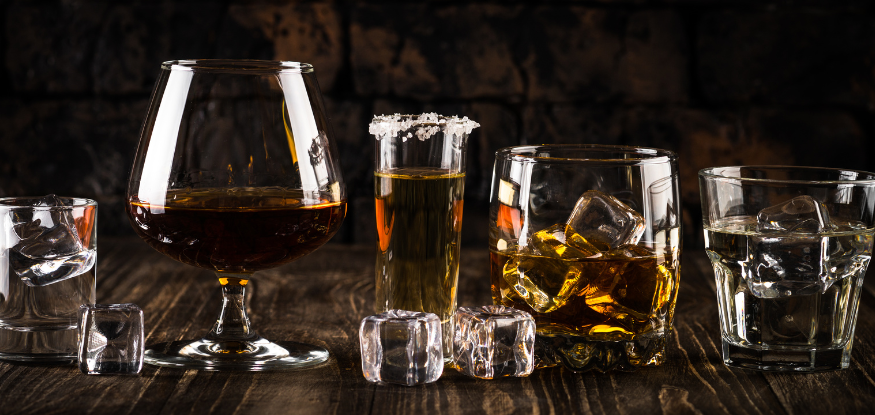
Throughout history, alcohol has played a prominent role in human culture and social interactions. It acts as a means of relaxation, celebration and stress relief for many people. For others, it’s a form of liquid courage. Alcohol can be a good way to break it out for many, but it can also be the reason your sex life remains sluggish. The negative effects alcohol can have on health are well documented. According to the Centers for Disease Control and Prevention, excessive alcohol use led to more than 140,000 deaths and 3.6 million years of potential life lost (YPLL) each year in the United States from 2015 to 2019, reducing the lives of those who died from term of 26 years. Binge drinking is also responsible for 1 in 5 deaths among adults aged 20-49.
Excessive alcohol use can lead to high blood pressure, heart disease, stroke, liver disease and digestive problems. It has been linked to cancers of the breast, mouth, throat, esophagus, liver and colon. Alcohol is immunosuppressive, increasing your chances of getting sick. Alcohol has also been associated with mental illness, including depression and anxiety. cognitive impairment, including dementia; and violent and risky sexual behaviors. We’ve talked a lot here in the past about sexual health as an indicator of overall health, so it shouldn’t surprise you that sex can also suffer when you drink too much alcohol. As a sexual health specialist, I would be remiss not to consider alcohol consumption as an important factor when trying to optimize my patients’ sex lives. What follows is an exploration of how alcohol affects different aspects of sexual health and the importance of maintaining a balanced approach to drinking to promote a healthy and fulfilling sex life.

Alcohol and the body
To better understand how alcohol affects sexual function, it is imperative to understand its physiological effect on the body as a whole. When consumed, alcohol enters the bloodstream, exerting various effects on both the physical and mental state. These effects include:
Depressing nature: Alcohol is basically a central nervous system depressant, meaning it slows down brain activity and breathing rate. This results in lowered inhibitions, a sense of relaxation and an altered state of judgment. However, when taken too far, alcohol can also lead to dizziness, nausea, vomiting and fainting.
Impaired motor skills: The effect of alcohol extends to hindering coordination and motor skills, leading to reduced physical performance, including difficulties during sexual activities. That’s right, alcohol can make many parts of your body, not just your legs, feel weak.
Hormonal fluctuations: Alcohol can affect hormone levels, including the critical sex steroid hormones testosterone and estrogen, which are vital to sexual health.
Almost immediate effect of alcohol on sexual function
Anyone familiar with drinking alcohol will tell you that it lowers inhibitions. Less inhibition can help some make the move they’ve been too afraid to make or talk about that special someone they’ve been too shy to talk to before. But when it comes to sex, less inhibition can also sometimes put you at risk. Risky sexual behaviors can lead to unintended pregnancy and increase the risk of sexually transmitted infections, including HIV. Not to mention, excessive alcohol consumption has the potential to impair judgment and decision-making, increasing the risk of engaging in sexual activities without clear and informed consent. Alcohol and/or other drugs are often involved in injuries that occur during sex, including penile fractures. So while alcohol can make you feel braver than your usual self, be careful that your sudden sexual boldness doesn’t get you into trouble.

Alcohol doesn’t just put you at risk sexually, it can also make you a challenge in the first place. While alcohol may initially boost desire and arousal, excessive consumption can negatively affect erectile function in men, a phenomenon colloquially referred to as “whiskey bird.” This is because alcohol blocks normal blood flow to the penis, increases angiotensin, a hormone linked to erectile dysfunction, and depresses the central nervous system – making it harder to get or stay hard. Heavy alcohol consumption has also been associated with decreased vaginal lubrication and dyspareunia in women. This is at least in part due to alcohol’s dehydrating effects on the body. Alcohol can also prolong the time it takes to reach orgasm for some people. Although this can be interpreted as a beneficial effect, as it prolongs sexual pleasure, it can also lead to difficulties in achieving orgasm. Finally, alcohol has the potential to cause a dull sensation, which can reduce sexual pleasure for both men and women. This reduced sensitivity may contribute to lower rates of sexual satisfaction in heavy drinkers.
It is important to remember that the severity of the effects of alcohol on a person’s sexual function can vary depending on a number of factors. These include individual tolerance, the amount of alcohol consumed and the context in which it is consumed.
Chronic alcohol consumption and the consequences for sexual function
While moderate alcohol consumption can have some short-term effects on sexual function, chronic alcohol abuse can precipitate more profound and lasting effects:
Hormonal Imbalance: Prolonged alcohol abuse can disrupt the endocrine system, leading to imbalances in hormone levels. In men, this can translate into reduced production of testosterone, a hormone critical to sexual desire and erectile function. Excessive alcohol consumption can also increase estrogen levels in men, which can lead to gynecomastia, mood swings, and even hot flashes. In women, alcohol’s effect on estrogen levels can lead to irregular menstrual cycles, decreased sex drive, and possibly an increased risk of breast cancer.
Sexual Dysfunction: Chronic alcohol abuse carries a significant risk of sexual dysfunction that goes beyond just poor performance in the bedroom. In men, this can manifest as persistent erectile dysfunction, chronically low or absent libido, and difficulty achieving ejaculation and orgasm. For women, it can lead to decreased sex drive, persistent vulvar dryness, discomfort or pain during intercourse, and muted or absent orgasms.
Relations Executive: Excessive consumption and abuse of alcohol can put a huge strain on relationships, which, in turn, can negatively affect sexual function. The emotional and psychological impact of excessive alcohol consumption and/or addiction can erode intimacy and communication between partners, contributing to sexual difficulties in a relationship.
Mental health: As we briefly mentioned earlier, chronic alcohol consumption is often closely linked to mental health issues such as depression and anxiety, both of which can contribute significantly to sexual dysfunction.
Fertility Issues: For couples trying to conceive, chronic alcohol consumption can reduce fertility in both men and women. Fertility problems arise because alcohol not only disrupts hormonal balance but can also negatively affect the quality and quantity of sperm and the regularity of menstruation.
Tips for finding balance
As with many things in life, when it comes to alcohol, moderation is key. Alcohol is not inherently bad and in no way is it a judgment for the people who consume it. Alcohol can be fun. it can be delicious too. But finding a healthy balance in your relationship with alcohol is key to optimizing your sexual health. Drinking alcohol in moderation greatly reduces the likelihood of immediate and long-term sexual problems associated with excessive alcohol consumption. So brace yourself and set yourself a drink limit to avoid getting too uncomfortable.
Another helpful tip for modifying the effect of alcohol on your sex life is to make sure you communicate and know when to ask for help. Open and honest communication with one’s partner about alcohol use and its effects on sexual experiences is essential to a satisfying sexual relationship. Such discussions facilitate informed decision-making and enable couples to explore the complexities of alcohol and intimacy together. If a person or their partner is dealing with alcohol abuse or addiction and it is negatively affecting sexual function or the relationship as a whole, seeking professional help may be necessary. Therapy and support groups can serve as invaluable resources for dealing with these often complex issues.
When planning to engage in sexual activities, it is important to consider the timing of alcohol consumption. Avoiding heavy drinking immediately before or during sexual encounters helps minimize the effect of alcohol on sexual performance and pleasure. And it certainly reduces the risk of sex-related injury. Nothing ruins the mood more than bruising, swelling and/or pain in your most private parts.
conclusion
The relationship between alcohol and sexual function can be complicated. While moderate alcohol consumption can stimulate desire and lower inhibitions, chronic and excessive alcohol abuse can lead to a wide range of sexual problems for both men and women. A little alcohol may be the lubricant some need to feel sexual at all, but when consumed in excess it can limit your ability to perform sexually and can even put you at risk. If you want to maximize your sexual health and well-being, it is of utmost importance to know how alcohol has affected your sexual experiences in the past. If you’ve found yourself lame on more than one occasion or woken up regretting what happened the night before, it might be time to cut back on your drinking. Remember: alcohol is not inherently bad. It’s just that sometimes when consumed in excess, it can be bad for sex.
