


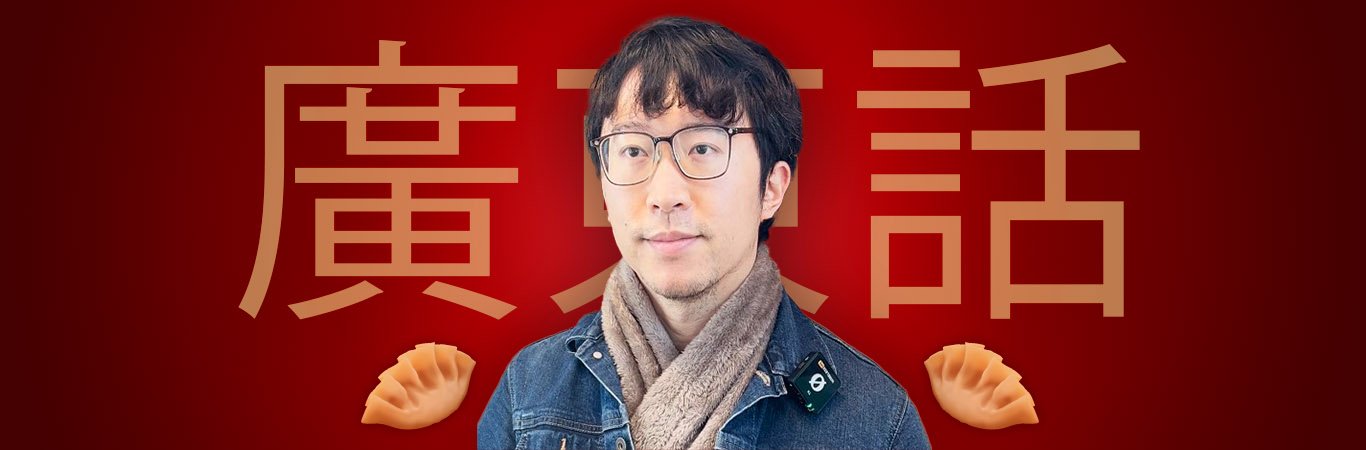
We spoke to Theo from Hong Kong about moving to Australia, taking PrEP for the first time and connecting with the Chinese community here.
I’m Theo, I’m 37 and I use he/they pronouns. I am from Hong Kong and have been living in Australia for three years.
What are the main differences in sexual health between Australia and your home country?
There is a lot of information about sexual health in Australia. For example, I learned about Doxy-PEP here. Also, I think PrEP is treated very differently here. It’s a lot easier to get here, so a lot more people are using it as HIV prevention.
What about the sex and hookup culture between Australia and your home country?
In my experience, there are more types of acceptable sexual behavior — different kinds of sex, not just anal sex. On dating apps, I wouldn’t say everyone uses their face photos on their profile, but more so than in Hong Kong.
What have you learned about sexual health since coming to Australia?
Sexual health is a continuous concept:
There is always a safe way to enjoy sex and pleasure.
It’s nice that we have different prevention methods tailored to people who want sex differently. I currently use condoms and PrEP to prevent HIV and STDs.
Where did you learn that?
I got a lot of information from both my local sexual health organization and the testing service I go to. There are also different community groups where I made LGBTQ friends who taught me about sexual health and services.
Did anything surprise you?
How normalized is your sexual health care here? It’s okay if you have an STD. Get tested, inform your partners and get treatment. There is not so much shame or stigma here.
Where did you get your first HIV test in Australia?
It was when I went to a sexual health service for a PrEP program.
The nurses were very friendly. they cared about me as a whole person.
He asked me about the university and the weather. They asked me if I wanted to get an mpox shot while I was there.
I knew about PrEP and condoms before I came here. But it was much easier to get PrEP here. At the clinic, the nurse informed me about the resources available. He understood that as international students, we don’t have Medicare or a full-time job. I was able to access a free PrEP program through the sexual health service I go to.
How do you maintain cultural or family values away from home?
Since I immigrated when I was a little older, I held closely to my family values when I first arrived. I have maintained them by making friends from my home country. We hang out together, speak Cantonese and eat Cantonese food.
I don’t feel strongly about traditional family values, but I remain connected to my culture. During the Lunar New Year, my friends and I get together and celebrate each other’s traditions. One of my friends is from Northern China, so we were making dumplings, which is a tradition there.
How do you balance cultural values with your queerness?
I don’t see them as mutually exclusive.
There is no sharp contradiction between my family values and my queer lifestyle. These parts of my identity coexist.
Here, space is given to different forms of queer expression — not just sexual.
I have learned that I can be myself and do my own thing. There is no particular lifestyle that I have to conform to. People always encourage you to go to clubs and experience the scene. I try, but I don’t know if I enjoy them that much. I go occasionally, but not that often.
Since you arrived in Australia, have you expressed yourself differently?
Yes, because there is less shame and stigma, it gives you room to explore yourself. I’ve tried wearing skirts and skirts here, but I could never pull it off in Hong Kong. I enjoyed the freedom.
What advice would you give to someone just arriving in Australia as an LGBTQ immigrant?
You may experience a culture shock at first. You may come from a very conservative background. Take your time. Find your own style and preferences. There are so many ways to express yourself. Check with yourself. There is always support available.
Editor’s Note: This interview has been edited for length and clarity.
Thanks for sharing your story, Theo. For basic sexual health information translated into Simplified Chinese, visit the Knowledge Hub.
If you enjoyed this interview, check out our other health content for visa holders:
