

Close Menu
Healthtost
  • News
  • Mental Health
  • Men’s Health
  • Women’s Health
  • Skin Care
  • Sexual Health
  • Pregnancy
  • Nutrition
  • Fitness
  • Recommended Essentials
What's Hot

Researchers show that red blood cells increase glucose tolerance at high altitude

February 23, 2026

Which SPF 50 formula is for you?

February 23, 2026

Tropic Ambassadors | Susie Ma

February 23, 2026
Facebook X (Twitter) Instagram
  • About Us
  • Contact Us
  • Privacy Policy
  • Terms and Conditions
  • Disclaimer
Facebook X (Twitter) Instagram
Healthtost
SUBSCRIBE
  • News

    Researchers show that red blood cells increase glucose tolerance at high altitude

    February 23, 2026

    Colorful electron microscopy reveals proteins and cellular architecture at nanoscale resolution

    February 22, 2026

    Smarter timing of cancer treatments could improve cure rates, study suggests

    February 22, 2026

    Single prenatal exposure to fungicide linked to disease in 20 generations

    February 21, 2026

    Indoor air quality plays an important role in adult asthma symptoms

    February 21, 2026
  • Mental Health

    50 Inspirational Ways to Navigate Your Life by Susie Hall

    February 22, 2026

    What is medication therapy?

    February 17, 2026

    Why do I have “butterflies in my stomach”?

    February 15, 2026

    Bipolar Disorder: Why It Happens (and How to Snap It Off)

    February 12, 2026

    Exercise may be as effective as drugs for depression and anxiety – new study

    February 11, 2026
  • Men’s Health

    Can mobile apps change the way we eat?

    February 18, 2026

    Tiny particles, big impact: Toward less invasive brain stimulation

    February 18, 2026

    How to sauna: All frequently asked questions

    February 17, 2026

    The power of sprint-based exercise

    February 12, 2026

    Why Biohack? Acceptance of our Mortality

    February 11, 2026
  • Women’s Health

    Which SPF 50 formula is for you?

    February 23, 2026

    Take the step to enhance your recovery with contrast therapy

    February 22, 2026

    Who can be called a “professional”? Student Loan Policy and the Future of Black Women in Nursing

    February 21, 2026

    Don’t Get Caught in a ‘Web’ of Misinformation – Dos and Don’ts of Doing Your Diagnostic Research Online

    February 21, 2026

    From knee surgery to the ski slopes: How Ann got her life back

    February 19, 2026
  • Skin Care

    Tropic Ambassadors | Susie Ma

    February 23, 2026

    5 daily habits that can age your skin

    February 22, 2026

    LED light therapy for acne at home: what the evidence supports (and what it doesn’t)

    February 22, 2026

    Why Melanin-rich skin loses its firmness and how to restore it – MYXCAPE

    February 21, 2026

    Scientific Review of “Liquid Mi – OUMERE

    February 19, 2026
  • Sexual Health

    Jesse Jackson opened the doors for black women in politics

    February 22, 2026

    Female Genital Mutilation in Africa: Politics of Criminalization

    February 21, 2026

    The alarming rise in bowel cancer rates in young people

    February 21, 2026

    Lessons from retail expert Nicole Leinbach Hoffman — Sexual Health Alliance

    February 20, 2026

    ACS publishes new guidelines for cervical cancer screening

    February 17, 2026
  • Pregnancy

    Why Chromosomally Normal Embryos Still Fail to Implant: New IVF Research Explains

    February 21, 2026

    Can cesarean mothers get cord blood? What to know

    February 19, 2026

    Labor & Pregnancy? the untold truths of labor during pregnancy

    February 17, 2026

    Why investing in one step can save your pelvic floor

    February 16, 2026

    Signs of labor every mom-to-be should know

    February 13, 2026
  • Nutrition

    5 Walking Routines to Lose Body Fat and Burn More Calories

    February 22, 2026

    How to hydrate skin overnight • Kath Eats

    February 22, 2026

    Extremity weight loss devices

    February 21, 2026

    The benefits of raw cocoa

    February 20, 2026

    Are bread and sweets toxic?

    February 20, 2026
  • Fitness

    Program Design – Tony Gentilcore

    February 20, 2026

    20 Useful Health Hacks That Work in 2026

    February 20, 2026

    7 Gentle Yoga Poses in Bed for Adults Over 50

    February 19, 2026

    Three unique ways to improve your functional strength

    February 17, 2026

    How to support clients without medical nutrition therapy

    February 17, 2026
  • Recommended Essentials
Healthtost
Home»Men's Health»Testicular cancer self-examination and why it could save your life
Men's Health

Testicular cancer self-examination and why it could save your life

healthtostBy healthtostFebruary 2, 2026No Comments4 Mins Read
Facebook Twitter Pinterest LinkedIn Tumblr Reddit WhatsApp Email
Testicular Cancer Self Examination And Why It Could Save Your Life
Share
Facebook Twitter LinkedIn Pinterest WhatsApp Email

From Dr. Le Provost, Men’s Health Center of Phoenix

Testicular cancer. Testicular cancer is real and affects thousands of men every year. However, you hardly ever hear men talk about it.

This silence is the problem.

Even today, discussions of sexual health, and especially male genital health, are considered taboo. Young men often feel embarrassed, unsure, or simply uninformed. But testicular cancer is more common in younger men, often between the ages of 15-35, when most are otherwise perfectly healthy and unlikely to see a doctor regularly.

Because of this, the person most likely to catch testicular cancer early is you.
And that starts with knowing what your testicles normally look and feel like.

Below is a simple, step-by-step guide to performing a testicular self-exam, along with other ways we screen for this cancer at our clinic.

Why self-examinations matter

Testicular cancer usually starts subtly. A small piece. A slight change in size. A new heaviness or discomfort.

But you’ll only notice these changes if you’re familiar with what “normal” feels like.

Most young men:

  • Do not see a doctor regularly
  • Let’s say they are invincible
  • They feel uncomfortable talking about anything involving their genitals
  • I’m not sure what normal anatomy is versus something to worry about

This is why self-exams are so important, especially for teenagers and young adults.

Self-examination Step 1: Choose the right environment

Always do the test when your scrotum is relaxed—usually in a warm environment.

A warm shower or warm room is ideal because the heat allows the scrotum to hang lower, making each testicle easier to feel.

This is actually by design: your testicles sit outside the body so they stay a few degrees coolerwhich is essential for healthy sperm and testosterone production.

Self-examination Step 2: Examine one testicle at a time

Using both hands, gently roll each testicle between your thumb and fingers.

Check for:

  • Smoothness
  • Consistent texture
  • A generally oval/egg shape
  • No unusual bumps or hard spots

It should feel smooth — not lumpy, not bumpy.

Self-examination Step 3: Learn what normal anatomy looks like

Many young men mistake normal structures for abnormalities simply because they have never been taught what is supposed to exist.

Here’s what you must touch:

1. The Epididymis

This is a soft, coiled structure at the back/bottom of the testicle.
Stores and transports sperm.
Of normal to feel slightly lumpy or streaky.

2. The Vas Deferens

This is the tube that carries sperm up into the body.
It feels like a thin, firm string.

If you don’t know these structures exist, they can confuse you.
Once you know what is normal, it becomes much easier to spot what is not.

Self-examination Step 4: Repeat regularly

You don’t need to do a self-examination every day.

But you should:

  • Once a month, or
  • Every few months or
  • At least, often enough to know your baseline

Familiarity is the goal.
When something is different, you will notice.

If you ever feel:

  • A new track
  • Hard area
  • Change in size
  • Feeling of weight
  • Pain that wasn’t there before

Call your doctor immediately. Early detection makes a life-changing difference.

What if you notice something?

At Men’s Health Center of Phoenix, you will:

  • Take a professional exam
  • Use one orchidometer (a tool that measures the size of the testicles)
  • Order an ultrasound if needed
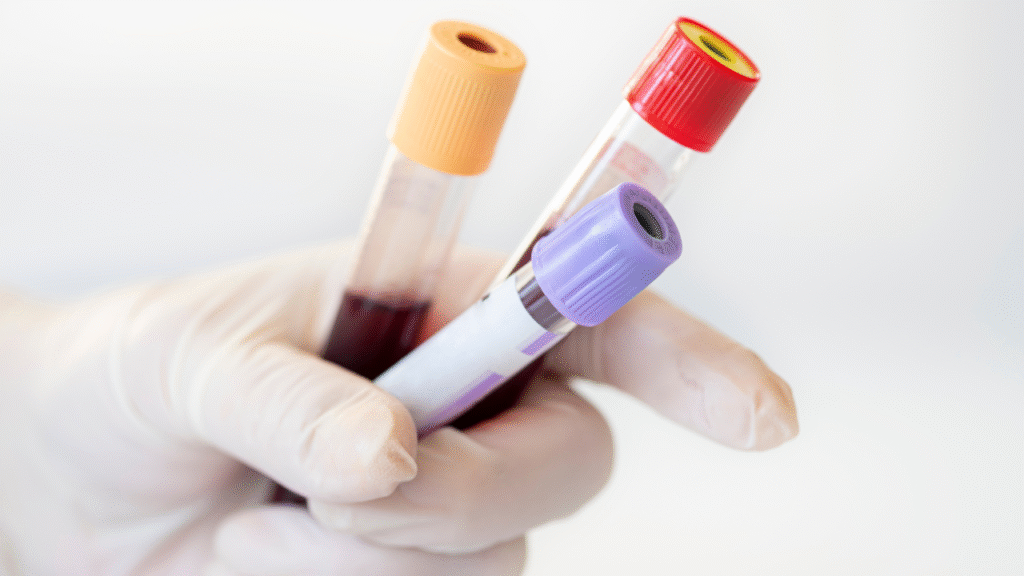
  • Have blood drawn to look for markers of cancer or inflammation

These are simple, painless steps—but they provide powerful information.

Blood tests for testicular cancer

Today we have a revolutionary blood test that examines 50+ cancersincluding testicular cancer. We usually recommend it for:

  • Men 50+
  • Younger men with a family history of cancer
  • Anyone who wants deeper peace

As cancer becomes more common at all ages, early screening is one of the most powerful tools you have.

Final thoughts: Take ownership of your health

Self-exams aren’t uncomfortable—they’re responsible.

At the Phoenix Men’s Health Center, we’ve worked with thousands of men over the past 14 years, helping them navigate everything from hormones to heart health to sexual wellness. We’re here to make those conversations normal, comfortable, and empowering.

Your masculinity is something to be proud of.
Taking care of your health is part of that pride.

If you ever have questions—or if something doesn’t feel right—please contact us.

We are here for you.
Let’s live the best life possible, together.

cancer Life Save selfexamination testicular
bhanuprakash.cg
healthtost
  • Website

Related Posts

Smarter timing of cancer treatments could improve cure rates, study suggests

February 22, 2026

50 Inspirational Ways to Navigate Your Life by Susie Hall

February 22, 2026

The alarming rise in bowel cancer rates in young people

February 21, 2026

Leave A Reply Cancel Reply

Don't Miss
News

Researchers show that red blood cells increase glucose tolerance at high altitude

By healthtostFebruary 23, 20260

New research reveals how hypoxia-driven red blood cell adaptations can reshape glucose regulation, offering new…

Which SPF 50 formula is for you?

February 23, 2026

Tropic Ambassadors | Susie Ma

February 23, 2026

5 Walking Routines to Lose Body Fat and Burn More Calories

February 22, 2026
Stay In Touch
  • Facebook
  • Twitter
  • Pinterest
  • Instagram
  • YouTube
  • Vimeo
TAGS
Baby benefits body brain cancer care Day Diet disease exercise finds Fitness food Guide health healthy heart Improve Life Loss Men mental Natural Nutrition Patients People Pregnancy protein research reveals risk routine sex sexual Skin study Therapy Tips Top Training Treatment ways weight women Workout
About Us
About Us

Welcome to HealthTost, your trusted source for breaking health news, expert insights, and wellness inspiration. At HealthTost, we are committed to delivering accurate, timely, and empowering information to help you make informed decisions about your health and well-being.

Latest Articles

Researchers show that red blood cells increase glucose tolerance at high altitude

February 23, 2026

Which SPF 50 formula is for you?

February 23, 2026

Tropic Ambassadors | Susie Ma

February 23, 2026
New Comments
    Facebook X (Twitter) Instagram Pinterest
    • About Us
    • Contact Us
    • Privacy Policy
    • Terms and Conditions
    • Disclaimer
    © 2026 HealthTost. All Rights Reserved.

    Type above and press Enter to search. Press Esc to cancel.