

Close Menu
Healthtost
  • News
  • Mental Health
  • Men’s Health
  • Women’s Health
  • Skin Care
  • Sexual Health
  • Pregnancy
  • Nutrition
  • Fitness
  • Recommended Essentials
What's Hot

Why is the food pyramid being discussed (again).

February 12, 2026

Innovative methods detect aggressive prostate cancer

February 12, 2026

Sex doesn’t have to end when it’s over

February 12, 2026
Facebook X (Twitter) Instagram
  • About Us
  • Contact Us
  • Privacy Policy
  • Terms and Conditions
  • Disclaimer
Facebook X (Twitter) Instagram
Healthtost
SUBSCRIBE
  • News

    Innovative methods detect aggressive prostate cancer

    February 12, 2026

    Leica Biosystems Revolutionizes Histology Workflows With Global Launch of Leica CM1950 Cryostat with DualEcoTec Cooling System

    February 12, 2026

    Healthy low-carb, low-fat diets may improve cardiovascular health

    February 11, 2026

    Perceptions of the safety of major vaccines show a significant decline over the past three years

    February 11, 2026

    ‘Partial reprogramming’ of engram neurons restores memory performance in mice

    February 10, 2026
  • Mental Health

    Bipolar Disorder: Why It Happens (and How to Snap It Off)

    February 12, 2026

    Exercise may be as effective as drugs for depression and anxiety – new study

    February 11, 2026

    Advancing the Future of Behavioral Health Data Exchange

    February 7, 2026

    How to avoid watching disturbing videos on social media and protect your peace of mind

    February 6, 2026

    Mental Health in the Black Community: Addressing…

    February 3, 2026
  • Men’s Health

    The power of sprint-based exercise

    February 12, 2026

    Why Biohack? Acceptance of our Mortality

    February 11, 2026

    Air conditioning in nursing homes reduces heat-related risk

    February 6, 2026

    Analysis: What it’s like to have non-verbal autism and what helped me

    February 5, 2026

    Testicular cancer self-examination and why it could save your life

    February 2, 2026
  • Women’s Health

    What are the signs of nutritional deficiencies in hair, skin and nails? | The Wellness Blog

    February 12, 2026

    What is mental wellness and how does it differ from mental health?

    February 11, 2026

    Perimenopause symptoms to watch out for in your 30s and 40s

    February 9, 2026

    Breast reduction surgery saved my life

    February 9, 2026

    2.6 Friday Faves – The Fitnessista

    February 7, 2026
  • Skin Care

    How to Look Sophisticated When You’re Running Late

    February 12, 2026

    5 Signs Your Skin Needs a Drink (And What to Do About It)

    February 10, 2026

    Fraxel Laser in Philadelphia | About Facial Aesthetics

    February 10, 2026

    Complete serum that works: The nighttime routine for real results

    February 8, 2026

    How to avoid shaving irritation: 7 myths that keep your skin angry

    February 7, 2026
  • Sexual Health

    Sex doesn’t have to end when it’s over

    February 12, 2026

    THANK YOU FOR ASKING: First Time Sex Tips

    February 11, 2026

    Australia is closer to ending cervical cancer

    February 9, 2026

    Adventurous intimacy is more common than you think — Alliance for Sexual Health

    February 5, 2026

    A guide to a comfortable cervical check with Dr. Unsworth

    February 1, 2026
  • Pregnancy

    Because the second trimester is like a deep breath

    February 11, 2026

    18 places to get free baby products, samples and gear in 2026

    February 8, 2026

    Pregnant on Chhath Puja? Hydration and nutrition tips

    February 6, 2026

    The second trimester sweet spot is real. Here’s how to get the most out of it

    February 4, 2026

    Is it safe to drink milk during pregnancy? What to know

    January 31, 2026
  • Nutrition

    Why is the food pyramid being discussed (again).

    February 12, 2026

    How to Use Toner for Healthy, Glowing Skin • Kath Eats

    February 12, 2026

    What foods help leaky gut?

    February 11, 2026

    How sugar affects your microbes

    February 10, 2026

    Stress and weight in midlife

    February 9, 2026
  • Fitness

    10 Health Benefits of Using a CPAP Machine

    February 11, 2026

    The health benefits of walking at any age

    February 10, 2026

    The Orthopedic suggested cardio exercises that are easy on your joints

    February 8, 2026

    The Best Travel Products for Women Over 50 (Comfort and Convenience)

    February 8, 2026

    Ben Greenfield Weekly Update: January 30th

    February 7, 2026
  • Recommended Essentials
Healthtost
Home»Nutrition»Spooning the Facts on Cereal Fortification
Nutrition

Spooning the Facts on Cereal Fortification

healthtostBy healthtostDecember 21, 2023No Comments6 Mins Read
Facebook Twitter Pinterest LinkedIn Tumblr Reddit WhatsApp Email
Spooning The Facts On Cereal Fortification
Share
Facebook Twitter LinkedIn Pinterest WhatsApp Email

01 Nov Spooning the Facts on Cereal Fortification

This post was sponsored by General Mills. All opinions are my own.

Growing up in a household with five children was not so easy. As the oldest child, mornings were usually a blur of helping my mom dress and feed my younger siblings, so cereal with milk and cut fruit on top made for a nutritious breakfast. My mom would have a glass jar and mix all the cereal together — so you get what you get and don’t get upset! But every day, thanks to this quick, easy and nutritious breakfast, my mom was able to get us all ready for school in time.

As a registered dietitian (RD) and single mom with three kids of my own, cereal definitely comes in handy for breakfast, snacks, and even dinner. If you scan the nutrition facts panel, you can see that a variety of vitamins and minerals have been added to the cereal – known as fortification. The addition of vitamins and minerals to grains is not new and has been around for decades to help provide nutrition and close nutrient gaps that may exist for a variety of reasons such as food insecurity, unhealthy diets or even picky eating to the children. However, when I scan social media and talk to people about cereal, there are so many inaccurate statements. I partnered with General Mills Big G Cereals because I wholeheartedly believe in the power of cereal to help nourish adults and children.

In this post, I’ll address three common myths about vitamin fortification, specifically vitamin D fortification.

Myth #1: Added vitamins and minerals in grains are not as effective as naturally available nutrients

According to World Health Organisation (WHO), food fortification is the practice of intentionally increasing the content of one or more micronutrients (such as vitamins and minerals) in a food to improve the nutritional quality of that food and thereby provide a public health benefit by minimal risk to the individual. health. Throughout the 20th century, there were many common health problems in the US that resulted from micronutrient deficiencies such as goitre (from iodine deficiency), rickets (from vitamin D deficiency in children), beriberi (from thiamine deficiency), pellagra (from niacin deficiency), and neural tube defects (from folic acid deficiency). Since fortification began, these diseases have been virtually eradicated.

Cereals are an ideal food for vitamin and mineral fortification because they are convenient, economical, widely consumed by people at all stages of life, and have the ability to have an even distribution of nutrients. The vitamins and minerals you find in fortified cereals play the same role in the body as the vitamins and minerals found naturally in food.

In the 2020-2025 Dietary Guidelines for Americans, vitamin D was identified as an underutilized nutrient for all stages of life. A shocking one 96% of all Americans age 2 and older are deficient in this essential nutrient. That’s why General Mills now offers twice the amount of vitamin D in its Big G cereal to bridge that gap.

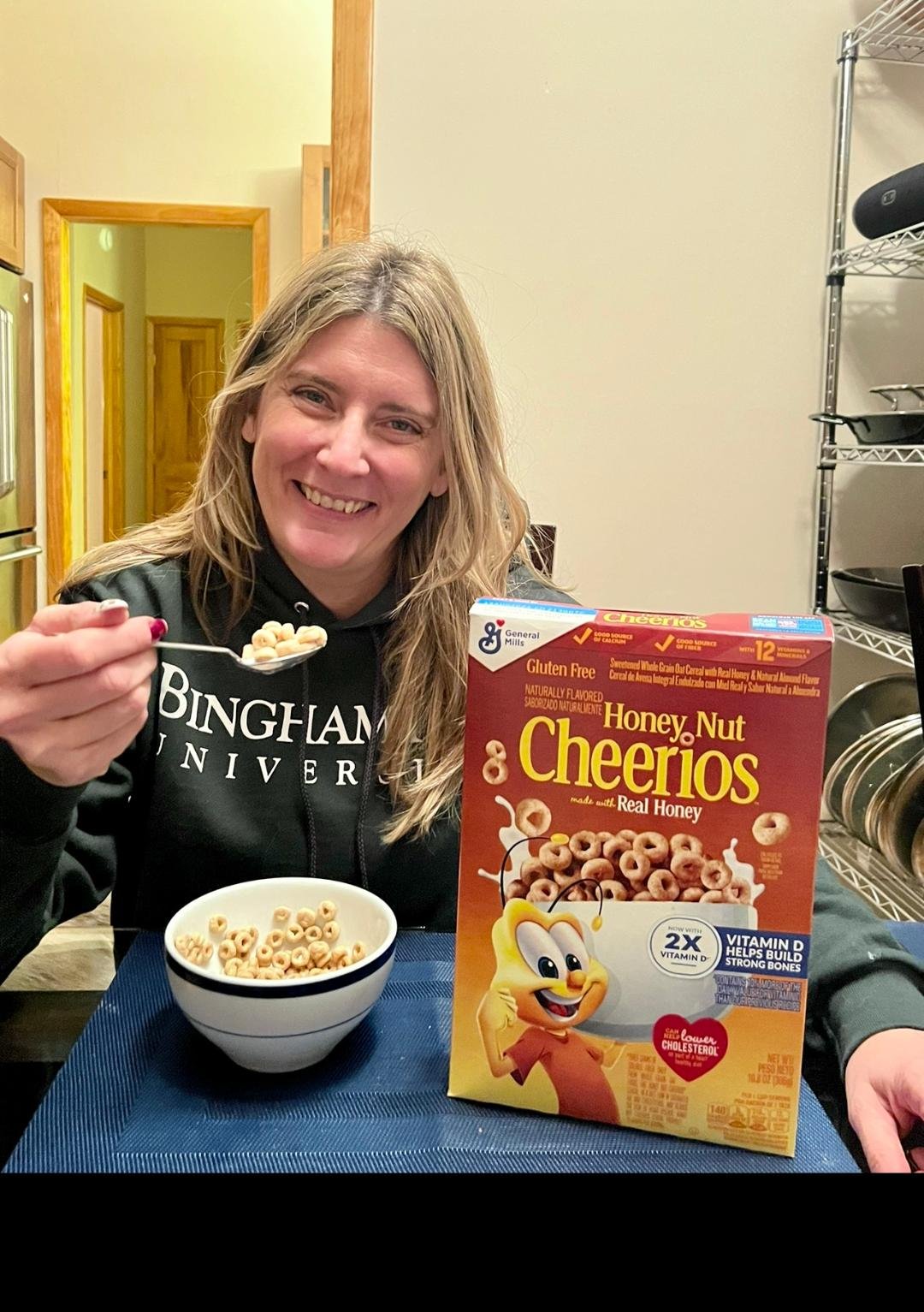
Honey Nut Cheerios Label courtesy of General Mills

There has been a debate about the effectiveness of synthetic and natural vitamins and minerals. Synthetic nutrients (or individual nutrients) are usually produced artificially, in an industrial process, while natural nutrients are obtained from whole food sources in the diet (such as nuts, fruits and vegetables). Research has been done to determine if synthetic nutrients work the same way as natural nutrients in the body. A study published in 2014 found that vitamin D supplementation, when combined with calcium, improved bone health in older adults.

Conclusion: Fortified cereals are an easy and affordable way to help people get a tasty dose of essential vitamins and minerals as part of a balanced diet.

Myth #2: You can meet your vitamin D intake only through sunlight

The two main ways you can get vitamin D are through sunlight and by eating food. But it is difficult for many people to be exposed to the sun during winter, in rainy areas and on cloudy days. Your skin color also indicates how much sun you need. People with darker skin need to spend more time in the sun to get enough exposure compared to people with lighter skin. How much vitamin D you get also depends on how much clothing you wear. If you’re stressed, you’re not getting as much vitamin D!

You also can’t synthesize vitamin D by sitting indoors by a window or wearing sunscreen. Additionally, in today’s culture a lot of time is spent indoors in front of screens, using sunscreen or sitting in the shade to avoid direct sunlight. Most people will benefit from including vitamin D in their diet to supplement limited sun exposure. That’s why as an RD, I encourage the consumption of foods with vitamin D, including fortified milk, fortified 100% juices, and fortified Big G cereals from General Mills (like Cheerios, Cocoa Puffs, Lucky Charms, and more!) , which now provide 20% of the Daily Value of vitamin D. This is double the previous amount, making it an easy, affordable and delicious way to increase your vitamin D intake.

Conclusion: Both sunlight and food – including fortified foods – can help you meet your vitamin D needs.

Myth #3: You need to be exposed to the sun to meet your vitamin D intake needs

Vitamin D is known as the sunshine vitamin because exposure to sunlight is one source of it. However, many people believe that you need to get a certain amount of sun exposure to get enough vitamin D. Exposure to sunlight is not always possible and has been linked to cancer. But did you know that you can also get vitamin D by eating vitamin D-rich foods and a vitamin D3 supplement? The caveat is that many foods rich in vitamin D are not foods that people eat on a regular basis, such as oily fish, sardines, egg yolks, and mushrooms. This is exactly why vitamin D has been added to foods like milk, orange juice and cereal.

General Mills Big G cereal, which is made from whole grains, is fortified with vitamin D to help fill the nutrient gap that is under-consumed by most of the US population. General Mills Big G cereal now provides 20% of the Daily Value for vitamin D—which is double the previous amount—to help get this important nutrient in an affordable and delicious way. You’ll find some of your favorite childhood cereals like Cheerios, Cocoa Puffs (my favorite!), Trix and Lucky Charms now with 20% of the Daily Value of vitamin D. General Mills tracks the dietary intake of today’s US population and has updated these cereals to reflect what our current population needs to help close the vitamin D gap.

Conclusion: You don’t need sunlight to get enough vitamin D. Many foods are good sources, including oily fish, sardines, egg yolks, milk, fortified 100% juices, and General Mills Big G cereal.

cereal Facts Fortification Spooning
bhanuprakash.cg
healthtost
  • Website

Related Posts

Why is the food pyramid being discussed (again).

February 12, 2026

How to Use Toner for Healthy, Glowing Skin • Kath Eats

February 12, 2026

What foods help leaky gut?

February 11, 2026

Leave A Reply Cancel Reply

Don't Miss
Nutrition

Why is the food pyramid being discussed (again).

By healthtostFebruary 12, 20260

With chronic disease showing no signs of slowing down, dietary guidelines have changed to focus…

Innovative methods detect aggressive prostate cancer

February 12, 2026

Sex doesn’t have to end when it’s over

February 12, 2026

How to Use Toner for Healthy, Glowing Skin • Kath Eats

February 12, 2026
Stay In Touch
  • Facebook
  • Twitter
  • Pinterest
  • Instagram
  • YouTube
  • Vimeo
TAGS
Baby benefits body brain cancer care Day Diet disease exercise finds Fitness food Guide health healthy heart Improve Life Loss Men mental Natural Nutrition Patients People Pregnancy protein research reveals risk routine sex sexual Skin study Therapy Tips Top Training Treatment ways weight women Workout
About Us
About Us

Welcome to HealthTost, your trusted source for breaking health news, expert insights, and wellness inspiration. At HealthTost, we are committed to delivering accurate, timely, and empowering information to help you make informed decisions about your health and well-being.

Latest Articles

Why is the food pyramid being discussed (again).

February 12, 2026

Innovative methods detect aggressive prostate cancer

February 12, 2026

Sex doesn’t have to end when it’s over

February 12, 2026
New Comments
    Facebook X (Twitter) Instagram Pinterest
    • About Us
    • Contact Us
    • Privacy Policy
    • Terms and Conditions
    • Disclaimer
    © 2026 HealthTost. All Rights Reserved.

    Type above and press Enter to search. Press Esc to cancel.