


You are 80 away from free shipping.
Receive a free OUMERE travel set with this order. Add $600 worth of OUMERE to your cart, add a travel set and enter code TRAVELSET at checkout to receive your OUMERE gift.
There are no other products available for purchase
Products
The Biological Hazard of Spicules: A Scientific Critique of “Liquid Microneedling”
By Wendy Ouriel
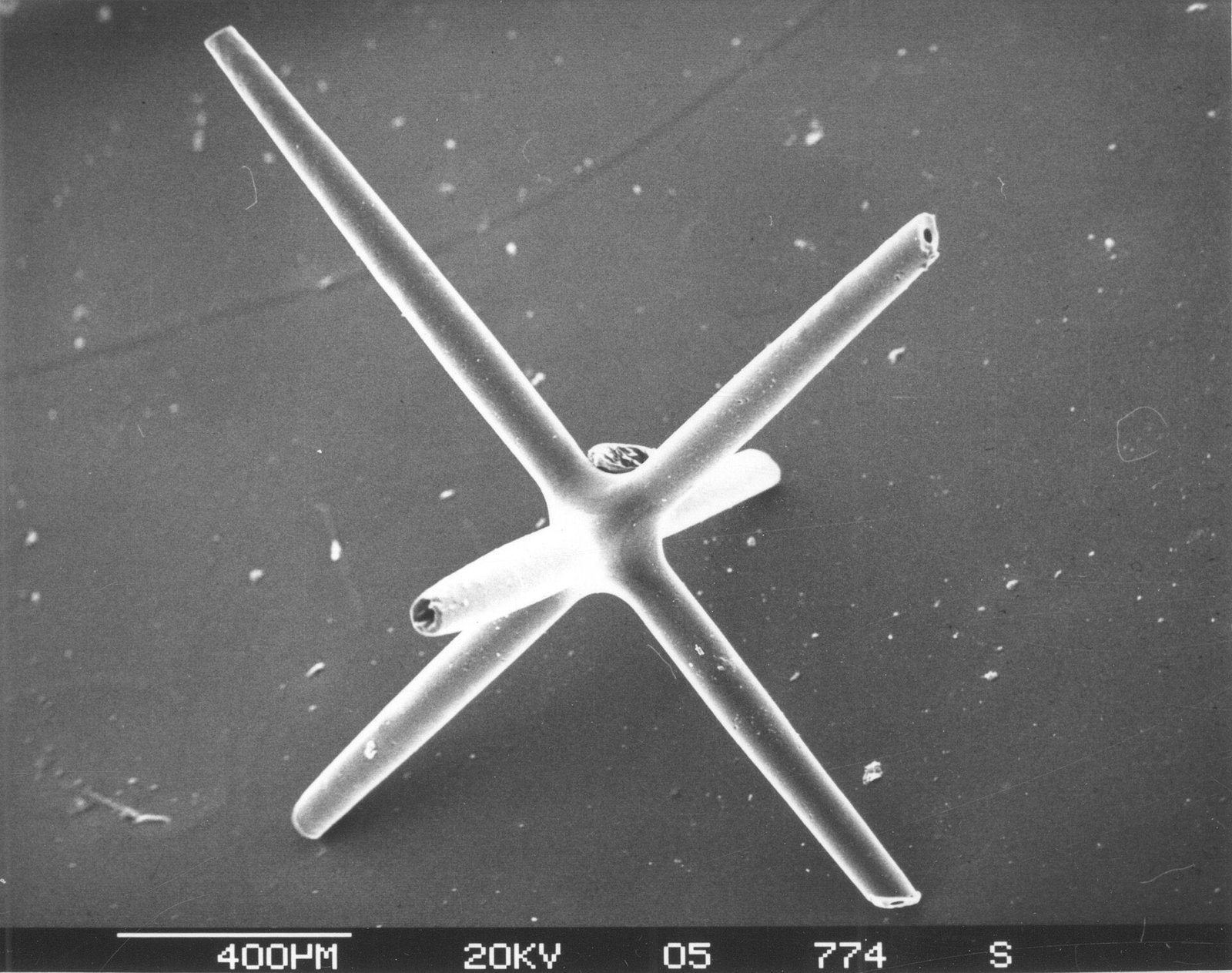
The skin care industry has recently popularized “spicules” — tiny needle-like structures derived from sea sponges — as a non-invasive alternative to microneedling. While marketed as a revolutionary delivery system, the mechanical action of the spicules involves the deliberate, sustained puncturing of the stratum corneum. This article reviews the physiological consequences of such trauma, including the induction of chronic subclinical inflammation and the compromise of selective skin permeability.
1. The Anatomy of a Breach: Mechanical Trauma at the Micro-Scale
Spicules (usually from Spongilla lacustris) are sharp, siliceous or calcareous fragments. Unlike professional microneedling, which involves controlled, vertical punctures that are immediately withdrawn, the spicules are massaged into the skin and remain fixed for 48 to 72 hours [1].
- The depth of the attack: Coils usually penetrate 0.1 to 0.3 mm into the skin, reaching the living layers of the epidermis.
- The foreign body response: Because the skin cannot “digest” the silica fragments, it activates an immune response to eliminate them. This is the source of the “stingy” sensation that users feel – it’s not “activation”, it’s an acute inflammatory reaction to a foreign invader [2].
2. The “enhanced absorption” fallacy
The main marketing claim for the spicules is that they increase the absorption of ingredients by up to 3,000%. However, from a biological point of view, this “benefit” is a disastrous liability.
Indiscernible Permeability: The micro-channels created by the spicules do not distinguish between “pure” active and environmental toxins. When you break the barrier, you allow particulate matter (PM2.5), heavy metals and pathogenic bacteria to have direct access to the dermis [10].
Additionally, ingredients such as phenoxyethanol, some surfactants and synthetic fragrances are safe on the surface, but become cytotoxic (cell killing) when forced into the deeper, living tissue [5].
3. “Inflammatory” and Long-Term Tissue Degradation
The most important risk of using spicule is chronic low-grade inflammation.
MMP activation
The presence of spicules activates Matrix Metalloproteinases (MMPs)—enzymes responsible for breaking down damaged tissue. However, chronic activation causes premature degradation of these enzymes Type I collagen and elastinleading to sagging and “inflammation of the skin” [3].
Barrier depletion
Repeated use of spicules leads to a state of permanent transepidermal water loss (TEWL). The skin becomes “addicted” to the temporary density of inflammation, while the underlying structure becomes increasingly dehydrated and fragile [2].
Intellectual Skincare
At UMERE, we do not create based on trends or viral fashions. Our philosophy is based on the knowledge that the skin is a sophisticated organ that requires support, not overthrow. We avoid the hype because your skin’s health is a long-term investment.
Shop the collection
Link copied to clipboard
{“themeColor”:”#000000″,”iconColor”:”#000000″,”showLogo”:true,”topBottomPosition”:10,”rightLeftPosition”:10,”iconSize”:”extra-small”,”iconCustomSize”:64″”middle””:
