

Close Menu
Healthtost
  • News
  • Mental Health
  • Men’s Health
  • Women’s Health
  • Skin Care
  • Sexual Health
  • Pregnancy
  • Nutrition
  • Fitness
  • Recommended Essentials
What's Hot

Hopeful climate commitment can reduce mental distress

February 3, 2026

Mental Health in the Black Community: Addressing…

February 3, 2026

Can your customers actually do what you want them to do? – Tony Gentilcore

February 2, 2026
Facebook X (Twitter) Instagram
  • About Us
  • Contact Us
  • Privacy Policy
  • Terms and Conditions
  • Disclaimer
Facebook X (Twitter) Instagram
Healthtost
SUBSCRIBE
  • News

    Hopeful climate commitment can reduce mental distress

    February 3, 2026

    The young fall behind, the old thrive

    February 2, 2026

    Simple hemiarch surgery effective for elderly patients with aortic dissection

    February 2, 2026

    Embedded Monte Carlo and deep learning improve radiotherapy QA

    February 1, 2026

    Age shapes long-term outcomes after multiarterial CABG strategies

    February 1, 2026
  • Mental Health

    Mental Health in the Black Community: Addressing…

    February 3, 2026

    Some people gain confidence when they think things through, others lose it – new research

    February 2, 2026

    3 practical ways to improve a writer’s mental health

    January 31, 2026

    Your phone is not a weakness. It’s a distraction machine. Here’s how to regain your focus.

    January 25, 2026

    Find out how you can support people with eating and substance use disorders

    January 24, 2026
  • Men’s Health

    Testicular cancer self-examination and why it could save your life

    February 2, 2026

    25-Minute Bodyweight Functional Training Program for Beginners

    February 1, 2026

    Turning everyday eggs into powerful nutrient delivery systems

    January 30, 2026

    Affordable food can be better, both for you and the planet

    January 30, 2026

    Full Body Kettlebell Complex for Strength and Muscle Definition

    January 25, 2026
  • Women’s Health

    Prenatal care in 2026: New recommendations for healthy pregnancy

    February 1, 2026

    3 Teens Quit Social Media for a Week — and Loved It

    February 1, 2026

    Exercises for Prevention, Symptoms & Recovery

    January 31, 2026

    Cómo puedo saberlo: ¿Es tristeza o depresión?

    January 31, 2026

    Over 40 Body Rebuild – How to Build Muscle and Lose Fat

    January 30, 2026
  • Skin Care

    The Perfect Nighttime Skincare Routine, Edited by About Face Aesthetics

    February 1, 2026

    Cleaners that make a difference: How to choose yours

    January 30, 2026

    How to Layer Hyaluronic Toner + Serums for G – The Natural Wash

    January 29, 2026

    How to bathe my newborn – Tropical skin care

    January 29, 2026

    SPF and Snow: Everything you need to know

    January 28, 2026
  • Sexual Health

    A guide to a comfortable cervical check with Dr. Unsworth

    February 1, 2026

    How “Bridgerton” and the Other Romances Evolved in Their Depictions of Consent

    January 30, 2026

    Extraction, gold mining and SRHR in Kenya

    January 29, 2026

    How the Wabi-Sabi Body Frame is Rewriting Body Image Therapy — Sexual Health Alliance

    January 28, 2026

    Is an HPV vaccine enough?

    January 25, 2026
  • Pregnancy

    Is it safe to drink milk during pregnancy? What to know

    January 31, 2026

    12 Expert Answers to Your Pregnancy Yoga Questions

    January 29, 2026

    Best Pregnancy and Postpartum Fitness Course 2026

    January 27, 2026

    The best baby travel products for visiting family

    January 26, 2026

    The top 3 pregnancy facials that are safe and effective

    January 25, 2026
  • Nutrition

    5 Ways You’re Sabotaging Your Metabolism

    February 2, 2026

    How to Save Money on Travel • Kath Eats

    February 1, 2026

    How low can LDL cholesterol go on PCSK9 inhibitors?

    January 31, 2026

    Signs that your body is ready to reset

    January 31, 2026

    Healthy Pakistani Recipes: Low-Oil Versions of Beloved Classics

    January 30, 2026
  • Fitness

    Can your customers actually do what you want them to do? – Tony Gentilcore

    February 2, 2026

    7 Essential Mental Health Tips for Healthy Aging

    February 2, 2026

    Beginner-friendly menopause workouts to build strength

    February 1, 2026

    Best Cereals for Weight Loss: 7 Healthy, Satisfying Choices

    February 1, 2026

    Inside the OPEX Mentorship Method Week 7: Lifestyle & Nutrition

    January 31, 2026
  • Recommended Essentials
Healthtost
Home»News»Reverse transcription activity located in Aging and Alzheimer’s brain
News

Reverse transcription activity located in Aging and Alzheimer’s brain

healthtostBy healthtostJune 5, 2025No Comments5 Mins Read
Facebook Twitter Pinterest LinkedIn Tumblr Reddit WhatsApp Email
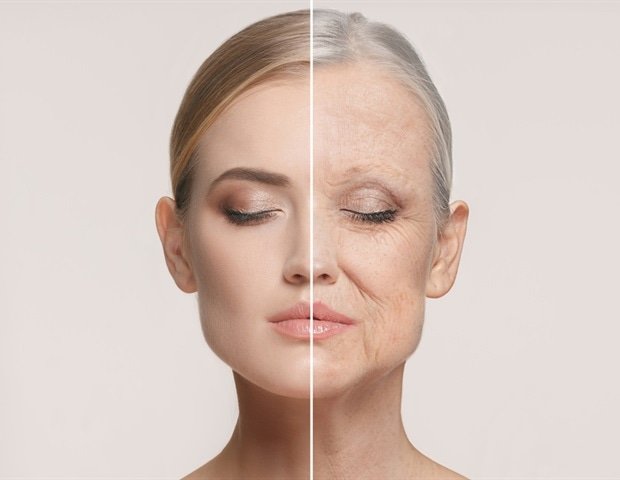
Reverse Transcription Activity Located In Aging And Alzheimer's Brain
Share
Facebook Twitter LinkedIn Pinterest WhatsApp Email

Alzheimer’s disease is the most common cause of dementia and affects more than one -tenth of Americans aged 65 or older. The disease has proven to be difficult to develop new treatments and the available treatment options are limited. In cases in the US projecting into overflow by 2050, more treatments are required to improve the quality of life of patients and reduce the burden of the healthcare system and family carers.

Scientists at Sanford Burnham Prebys and elsewhere have recently reported real world links to medical records connecting common HIV medicines with a reduced frequency of Alzheimer’s disease. Studies have shown that patients are at a lower risk of developing Alzheimer’s disease if they were taken to prevent a famous enzyme called reverse transcriptase (RT), which copies RNA to DNA, opposite the classic process. RT is best known than being a basic enzyme that allows HIV and other retroviruses to reproduce in host cells and FDA -approved RT inhibitors prevent HIV reproduction.

To better understand the links between the danger of Alzheimer’s disease and the people receiving prescription RT inhibitor drugs, Jerold Chun, MD, PhD and his Sanford Burnham Prebys seeking evidence Alzheimer’s, identifying the RT enzymatic activity. Results were published online on May 14, 2025, at The neuroscience magazine.

The previous post of Chun Lab’s Lab Nature 2018 described how it can occur in human brain neurons caused by the mediation of RT. Rare family mutations in the application gene cause a form of Alzheimer’s disease that can be inherited in families, while sporadic disease lacks this heritage, but may be affected by non -sealing “bodily” mutations produced by RT.

“We asked a basic question: Is there actually some RT activity in the aging human brain?” said Chun, professor at Center for Neurological Diseases at the Institute and the senior and corresponding author of the manuscript. “And, if any, where does it come from and what brain cells are affected?”

Scientists examined post -mortem brain tissue from donors who had died of Alzheimer’s disease and compare it to control samples without obvious illness. RT activity was found in every sample of the brain, with a tendency to reduce RT activity in brains by Terminal Alzheimer’s disease. This is in line with neuronal degeneration that is a characteristic feature of Alzheimer’s disease.

To further explore the origin of this RT activity, scientists evaluated multiple possible sources and identified long-term scattered nuclear elements (line1), an ancient genetic sequence so common in mammalian genomes that are almost one-fifth. They are usually inactive, but scientists have found rare forms that are active, using their own RTS to copy and paste themselves elsewhere in the genome.

“The prevailing thought was that line1 could only work if expressed by an intact Bicistronic MRNA copy,” said Juliet Nicodemus, a MD-PhD student working at the Chun Lab as part of the Medical Scientist Training Program at the University of California in San Diego and the first author. “Instead, through the use of long reading of the brains of Alzheimer’s disease and normal brains, we have found thousands of truncated versions of the line1 expressed in the human brain, including hundreds of sequences that are not commented on in the human genre.”

In addition to revealing the abbreviated versions of the line1, scientists found that most of these variants contained only one of the two protein encoding areas that occur in a full transcription length.

We have shown that these abbreviated sequences with a single coding area or “singleocytes” transcripts are able to codify inverse transcription activity. The level of activity from sequence in sequence varies dramatically between variants, beyond 50x. ”


Jerold Chun, MD, PhD, Professor, Center for Neurological Diseases, Sanford Burnham Prebys

Scientists were about their second important question about RT -active cell types, comparing the samples of nerve -rich gray matter with white matter containing mainly global cells.

“The RT activity was significantly higher in gray matter,” Nicodemus said. “This is in accordance with the RT activity that is primarily in neurons and has potentially widespread effects as our post-mitistic neurons accumulate DNA changes during a person’s life.”

“We must continue to learn more about the various versions of the reverse transcriptase at work in aging and especially the brain of Alzheimer’s disease,” Chun added. “This will allow the development of more targeted treatments in the future.”

Given the proven safety of RT drugs approved by the FDA, Chun also suggests that doctors and scientists should follow future clinical trials studying the effects of these drugs on people with Alzheimer’s early disease as short -term approach to their patients with Alzheimer’s patients.

Source:

Magazine report:

Nicodemus, J., et al. (2025). The diversity of sequence and the encoded enzymatic differences of the MRNA variants of the L1 Orf2 monocle in the elderly normal and the brain of Alzheimer’s disease. Neuroscience newspaper. doi.org/10.1523/jneurosci.2298-24.2025.

activity Aging Alzheimers brain located reverse transcription
bhanuprakash.cg
healthtost
  • Website

Related Posts

Hopeful climate commitment can reduce mental distress

February 3, 2026

The young fall behind, the old thrive

February 2, 2026

7 Essential Mental Health Tips for Healthy Aging

February 2, 2026

Leave A Reply Cancel Reply

Don't Miss
News

Hopeful climate commitment can reduce mental distress

By healthtostFebruary 3, 20260

Climate concern is associated with symptoms of depression and anxiety in Finns of all ages.…

Mental Health in the Black Community: Addressing…

February 3, 2026

Can your customers actually do what you want them to do? – Tony Gentilcore

February 2, 2026

The young fall behind, the old thrive

February 2, 2026
Stay In Touch
  • Facebook
  • Twitter
  • Pinterest
  • Instagram
  • YouTube
  • Vimeo
TAGS
Baby benefits body brain cancer care Day Diet disease exercise finds Fitness food Guide health healthy heart Improve Life Loss Men mental Natural Nutrition Patients People Pregnancy protein research reveals risk routine sex sexual Skin study Therapy Tips Top Training Treatment ways weight women Workout
About Us
About Us

Welcome to HealthTost, your trusted source for breaking health news, expert insights, and wellness inspiration. At HealthTost, we are committed to delivering accurate, timely, and empowering information to help you make informed decisions about your health and well-being.

Latest Articles

Hopeful climate commitment can reduce mental distress

February 3, 2026

Mental Health in the Black Community: Addressing…

February 3, 2026

Can your customers actually do what you want them to do? – Tony Gentilcore

February 2, 2026
New Comments
    Facebook X (Twitter) Instagram Pinterest
    • About Us
    • Contact Us
    • Privacy Policy
    • Terms and Conditions
    • Disclaimer
    © 2026 HealthTost. All Rights Reserved.

    Type above and press Enter to search. Press Esc to cancel.