

Close Menu
Healthtost
  • News
  • Mental Health
  • Men’s Health
  • Women’s Health
  • Skin Care
  • Sexual Health
  • Pregnancy
  • Nutrition
  • Fitness
  • Recommended Essentials
What's Hot

Do you go crazy when you don’t eat perfectly “healthy”? Consider orthorexia

February 19, 2026

Study reveals coffee induces distinct cytokine responses compared to pure caffeine

February 19, 2026

Is trauma therapy right for you? Signs that you may benefit from specialized care

February 19, 2026
Facebook X (Twitter) Instagram
  • About Us
  • Contact Us
  • Privacy Policy
  • Terms and Conditions
  • Disclaimer
Facebook X (Twitter) Instagram
Healthtost
SUBSCRIBE
  • News

    Study reveals coffee induces distinct cytokine responses compared to pure caffeine

    February 19, 2026

    Polyploidy-induced senescence may affect aging and cancer risk

    February 18, 2026

    Researchers develop new score to predict liver cancer risk

    February 18, 2026

    Fred Hutch scientists reach critical milestone in blocking Epstein Barr virus

    February 17, 2026

    Study links microbial-rich diets to better insulin and cholesterol markers

    February 17, 2026
  • Mental Health

    What is medication therapy?

    February 17, 2026

    Why do I have “butterflies in my stomach”?

    February 15, 2026

    Bipolar Disorder: Why It Happens (and How to Snap It Off)

    February 12, 2026

    Exercise may be as effective as drugs for depression and anxiety – new study

    February 11, 2026

    Advancing the Future of Behavioral Health Data Exchange

    February 7, 2026
  • Men’s Health

    Can mobile apps change the way we eat?

    February 18, 2026

    Tiny particles, big impact: Toward less invasive brain stimulation

    February 18, 2026

    How to sauna: All frequently asked questions

    February 17, 2026

    The power of sprint-based exercise

    February 12, 2026

    Why Biohack? Acceptance of our Mortality

    February 11, 2026
  • Women’s Health

    Is trauma therapy right for you? Signs that you may benefit from specialized care

    February 19, 2026

    Make your workouts more functional

    February 18, 2026

    Facts about Lupus and Reproductive Health

    February 17, 2026

    199: Perimenopause, Nervous System Health & How Stress Affects Your Hormones

    February 16, 2026

    Why you should avoid empty calories in 2026

    February 14, 2026
  • Skin Care

    Scientific Review of “Liquid Mi – OUMERE

    February 19, 2026

    How to protect your hair from chlorine (and help it recover after

    February 18, 2026

    How often should you exfoliate your skin? Health experts’ instructions

    February 18, 2026

    Clear + Brilliant in New York: The facial laser for glow, pores and even T

    February 16, 2026

    Non-toxic beauty products for a safer Valentine’s Day

    February 16, 2026
  • Sexual Health

    ACS publishes new guidelines for cervical cancer screening

    February 17, 2026

    Why I masturbate on Valentine’s Day

    February 14, 2026

    The global Gage rule expanded

    February 14, 2026

    Can cystitis be caused by stress?

    February 13, 2026

    Sex doesn’t have to end when it’s over

    February 12, 2026
  • Pregnancy

    Labor & Pregnancy? the untold truths of labor during pregnancy

    February 17, 2026

    Why investing in one step can save your pelvic floor

    February 16, 2026

    Signs of labor every mom-to-be should know

    February 13, 2026

    Because the second trimester is like a deep breath

    February 11, 2026

    18 places to get free baby products, samples and gear in 2026

    February 8, 2026
  • Nutrition

    Do you go crazy when you don’t eat perfectly “healthy”? Consider orthorexia

    February 19, 2026

    The microbiome and therapeutic carbohydrate restriction

    February 18, 2026

    What every woman should know

    February 16, 2026

    Air Fryer Flank Steak Tacos (15 Minutes, Weeknight Family Dinner)

    February 16, 2026

    What to eat during GLP-1 weeks 5–12: stable, balanced, sustainable | glp-1, weight loss, weight loss and more

    February 14, 2026
  • Fitness

    Three unique ways to improve your functional strength

    February 17, 2026

    How to support clients without medical nutrition therapy

    February 17, 2026

    Over 1 year of actual use

    February 16, 2026

    The essential role of sleep in recovery and better health

    February 15, 2026

    Fitness helped Dane Carter beat addiction and reclaim his purpose

    February 15, 2026
  • Recommended Essentials
Healthtost
Home»News»Raising temperatures endanger greater hearts
News

Raising temperatures endanger greater hearts

healthtostBy healthtostOctober 7, 2025No Comments6 Mins Read
Facebook Twitter Pinterest LinkedIn Tumblr Reddit WhatsApp Email
Raising Temperatures Endanger Greater Hearts
Share
Facebook Twitter LinkedIn Pinterest WhatsApp Email

As changing the fuel climate farther, warmer summers, new research shows that the hearts of the elderly cannot maintain, exposing a tacit, increasing crisis at the intersection of aging and increasing temperatures.

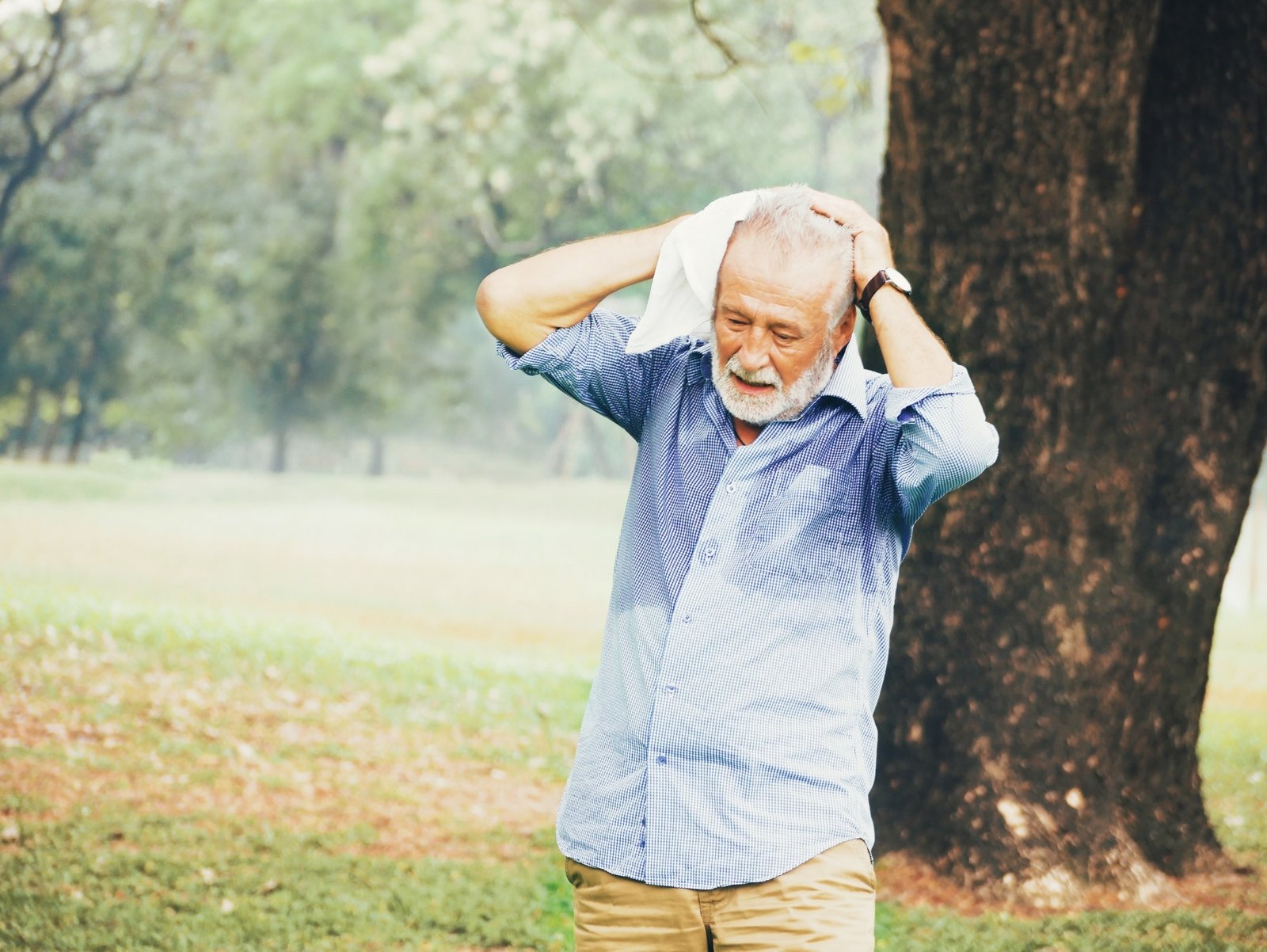
Study: Cardiovascular challenges of aging in a warmer environment: a narrative review. Credit Picture: porporling/shutterstock.com

To a recent review in Newspaper of applied physiology; Researchers discussed the consequences of extreme heat on cardiovascular health of populations worldwide.

The authors examined how aging exacerbates the effects of thermal stress on the cardiovascular system, focusing on recent epidemiological findings, physiological mechanisms and environmental factors for cardiovascular risk in older adults.

Their conclusions emphasized the concerns that the aging of people exposed to heat conditions could face increased core temperatures, increasing the risk of cardiovascular disease and complications and therefore mortality.

Increase in heat and aging populations

Extreme environmental heat is the top cause of death associated with weather conditions worldwide and its impact is expected to rise as global temperatures continue to rise. Heat waves are becoming increasingly serious, exposing billions of people to prolonged high temperatures.

This report will extend dramatically with the increase in temperatures of 2 ° C. At the same time, the percentage of adults aged 65 years or older is increasing rapidly, it is projected to reach 1.6 billion (16.7% of the world population) by 2050.

As a result, this overlap of increasing heat and a rapid aging population creates a significant global health challenge, with greater adults more vulnerable to heat and death -related death, especially from cardiovascular causes.

Cardiovascular vulnerability due to extreme heat

Recent epidemiological studies steadily show that adults over 65 are facing the highest rate of hospital and deaths associated with heat, most of which are due to cardiovascular disease (CVD).

In New York alone, about 580 summer deaths are related to heat and 62% of them include pre -existing CVDs. As temperatures exceed the regional thresholds, heart failure risks, ischemic heart disease and stroke increase abruptly.

The increase in temperature 1 ° C is associated with a 2% increase in CVD mortality (cardiovascular disease) and an increase of 12% as the intensity of the thermal wave increases. In all the US, any excessive extreme heat in the month from 2008 to 2017 caused about 5,000 additional cardiovascular deaths in older adults.

Future forecasts estimate the 187% increase in such deaths by 2036 to 2065, stressing the urgent need for adaptive health measures. The authors emphasize that this data reflects mainly over the last 10 years of research, showing that extreme heat enhances cardiovascular risk even in areas that are not used to high temperatures.

Cardiovascular answers related to age

Exposure to heat requires a significant increase in heart supply to support skin blood flow and sweating for thermoregulation. However, older adults have a blunt cardiovascular response.

Studies show that younger adults can double heart benefit at about 11 l/min during passive heating, while older adults only reach about 7 l/min. This decrease comes from a limited volume of stroke and a reduced heart rate reserve, increasing heart stress.

Further research shows that even when elderly adults maintain the volume of the stroke, they do so by enhancing cardiac container and function closer to their maximum heart rate, thereby increasing the risk of myocardial stress. In those with coronary heart disease, this strain may exceed their heart reserve, occasionally leading to heat -caused ischemia.

Elderly adults also show a reduced ability to increase skin blood flow during heat exposure. This is largely due to the reduced availability of nitric oxide, oxidative stress and the weaker cholinergic and sympathetic activity of the sympathetic nerve. Such lesions limit vasodilation, reducing the body’s ability to effectively dissolve heat.

In addition, redistribution of blood from visceral organs such as the liver or kidneys on the skin is less effective with age. Elderly adults have about 30% less diversion of blood from internal to peripheral circulation during heating, increasing internal heat storage and cardiovascular stress.

The review also warns that most laboratory studies use water heating costumes, which can cause stronger cardiovascular responses than real reports. More ecologically valid studies in realistic environments are needed to improve these findings.

Definition of Environmental Risk Foams

Researchers have identified “critical environmental limits”, which are combinations of temperature and humidity, where cardiovascular stress is increasing abruptly, known as the appearance of cardiovascular displacement. For elderly adults who perform light daily activities, this occurs at about 35 ° C and 53% relative humidity in hot humid environments or 41 ° C and 24% in hot drying conditions.

Specifically, women, especially older women, have greater vulnerability, with a cardiovascular stem appearing in lower combinations of temperature-hydration than men. Based on unpublished observations from the PSU Heat project, this find suggests that older women can reach cardiovascular boundaries earlier under the same thermal conditions. Although cardiovascular mortality increases even at much lower ambient temperatures (about 22-25 ° C in certain cities), these thresholds mark the upper limits of safe exposure.

The authors further note that cardiovascular displacement, defined as a continuous increase in heart rate during prolonged heat exposure, is a timely warning of excessive cardiovascular stress before receiving thermal imbalance. Understanding these boundaries is vital to the design of premature warning systems and public health policies to prevent heat -related cardiovascular deaths in the growing elderly population of the world.

Conclusions

Heat -related mortality and morbidity disproportionately affect older adults, while people over 65 are recognized as the most vulnerable age with epidemiological studies. During thermal events, most deaths and hospitalizations between the elderly are due to CVDs and related complications, as aging affects the mechanisms by which the human body faces thermal stress.

The combination of more serious, long -term and frequent heat waves due to climate change and aging worldwide will affect billions of people.

The authors emphasize that continuing work is needed to identify accurate environmental conditions that cause excessive cardiovascular stress and to translate laboratory findings into practical real world prevention strategies. Further work to isolate environmental conditions that increase cardiovascular stress can help detect the how to reduce thermal pressure and consequently CVD caused by heat events.

Download your PDF copy now!

endanger greater Hearts Raising temperatures
bhanuprakash.cg
healthtost
  • Website

Related Posts

Study reveals coffee induces distinct cytokine responses compared to pure caffeine

February 19, 2026

Polyploidy-induced senescence may affect aging and cancer risk

February 18, 2026

Researchers develop new score to predict liver cancer risk

February 18, 2026

Leave A Reply Cancel Reply

Don't Miss
Nutrition

Do you go crazy when you don’t eat perfectly “healthy”? Consider orthorexia

By healthtostFebruary 19, 20260

Does that sound like you? You value healthy eating, then you spend a lot of…

Study reveals coffee induces distinct cytokine responses compared to pure caffeine

February 19, 2026

Is trauma therapy right for you? Signs that you may benefit from specialized care

February 19, 2026

Scientific Review of “Liquid Mi – OUMERE

February 19, 2026
Stay In Touch
  • Facebook
  • Twitter
  • Pinterest
  • Instagram
  • YouTube
  • Vimeo
TAGS
Baby benefits body brain cancer care Day Diet disease exercise finds Fitness food Guide health healthy heart Improve Life Loss Men mental Natural Nutrition Patients People Pregnancy protein research reveals risk routine sex sexual Skin study Therapy Tips Top Training Treatment ways weight women Workout
About Us
About Us

Welcome to HealthTost, your trusted source for breaking health news, expert insights, and wellness inspiration. At HealthTost, we are committed to delivering accurate, timely, and empowering information to help you make informed decisions about your health and well-being.

Latest Articles

Do you go crazy when you don’t eat perfectly “healthy”? Consider orthorexia

February 19, 2026

Study reveals coffee induces distinct cytokine responses compared to pure caffeine

February 19, 2026

Is trauma therapy right for you? Signs that you may benefit from specialized care

February 19, 2026
New Comments
    Facebook X (Twitter) Instagram Pinterest
    • About Us
    • Contact Us
    • Privacy Policy
    • Terms and Conditions
    • Disclaimer
    © 2026 HealthTost. All Rights Reserved.

    Type above and press Enter to search. Press Esc to cancel.