


—
By Adar Kaplan for Northwell Health
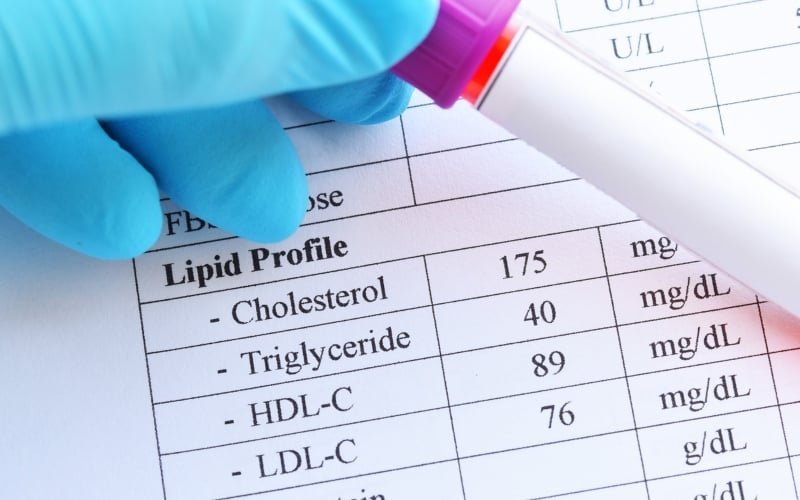
A simple blood test can measure cholesterol levels, and the CDC recommends that “most healthy adults” have it cholesterol levels checked every four to six years. The test measures LDL (“bad”) cholesterol, HDL (“good”) cholesterol, and triglycerides. (Those with heart disease, diabetes, or a family history of high cholesterol should have cholesterol is controlled more often.)
Lifestyle changes are the first line of defense against high cholesterol — for good reason: Adopting a healthy lifestyle can lower high cholesterol by up to 10%.
The American Heart Association (AHA) recommends following a diet that includes whole grains and plenty of produce while reducing meat and sugar intake. Eating nutritious meals, exercising regularly, avoiding tobacco and maintaining a healthy weight will go a long way in protecting your heart and arteries.
However, some patients will need additional help to manage their cholesterol levels and their doctor may recommend further medical intervention, Northwell Health explains.
Cholesterol-lowering treatments
Methods to lower high cholesterol have come a long way, says cardiologist Eugenia Yanos, MD, director of Women’s Heart Health at Lenox Hill Hospital and director of Cardiovascular Prevention for Northwell Health.
“Even five years ago, there was only so much we could do for some patients and they still ended up in the emergency room,” says Dr. Yanos. “They would need repeated stents and bypass surgery or suffer multiple heart attacks or strokes.”
High levels of LDL cholesterol can lead to fatty deposits on artery walls. This is how heart disease can start. As these deposits build up, they can block blood flow and lead to blockages in the arteries, resulting in heart attacks or strokes. Most cholesterol-lowering treatments aim to lower LDL.
“To prevent heart disease, we need to get patients’ LDL as low as possible,” says Dr. Yanos, adding, “Fortunately, we’re now in an era prevention when we can offer much more advanced treatments.”
Everyday Cholesterol Medicines
These drugs are the first medical choice for patients trying to lower their cholesterol. Medicines are most effective when patients combine them with a healthy lifestyle.
Statins: By slowing the liver’s production of cholesterol while also increasing the liver’s ability to clear cholesterol, statins can lower LDL levels by up to 55 percent in some patients. Statins may also play a role in reducing inflammation and can help prevent strokes and heart attacks.
Ezetimibe: Another common cholesterol medication, ezetimibe interferes with the body’s ability to absorb cholesterol in the gut and can lower levels by between 15-20%. Patients can take this drug alone or with a statin to get additional cholesterol-lowering benefits. Using the two types of treatments together after a heart attack can reduce the chance of another heart attack.
Cholesterol-lowering injections
A more recent development, injections may be for patients who did not get adequate results from daily medications, or may provide an option that is easier for patients to adhere to, as vaccinations only need to be given once every few weeks or months.
PCSK9 inhibitors: Patients receive this injection every two to four weeks. Blockers can reduce the risk of heart attacks, strokes and death. This option may be more expensive and is limited to patients for whom statins and ezetimibe have been less effective.
Included: Another new injectable sold under the name Leqvio, Inclisiran may work better for some patients. It can lower cholesterol and can work well for patients who have trouble sticking to a medication schedule. maintenance injections are given every six months.
Blood filtration
LDL removal: Some patients have dangerously high cholesterol levels and drugs or injections are not enough to treat the problem. A genetic condition known as familial hypercholesterolemia can cause very high levels. other patients may need stronger measures due to a combination of high cholesterol and heart disease.
For these patients, a procedure called Removal of LDL can help: The plasma portion of the patient’s blood is diverted through a device that filters out LDL cholesterol and returns the plasma back to the body.
Patients must receive the three- to four-hour treatment every two weeks for the rest of their lives, but removing the LDL can be life-saving. Lowering cholesterol also reduces inflammation and lowers the risk of artery damage and other heart problems.
More protection is on the way
Another very important risk marker is lipoprotein (a), a unique type of cholesterol linked to early heart disease and aortic valve stenosis – a condition in which a valve in the heart cannot open fully. Identifying this risk factor is key in patients with early disease or when multiple family members have heart disease, especially as new treatments are being developed that target this cholesterol and may significantly reduce the risk of heart disease.
Finding the right treatment will require a discussion with a cardiologist, says Dr. Yanos. Sometimes the cost, side effects and ease of taking a drug can have an impact on a patient’s treatment.
“For some patients, we may be able to connect them to something new in a clinical trial,” he says. “For others, we may need to take a broader perspective and do genetic testing and find out what role their family history might play in their treatment. It’s key for patients to understand how these factors, along with cholesterol levels, affect their cardiovascular health.”
This story was produced by Northwell Health and reviewed and distributed by Stacker.
—
Previously Posted in hub.stacker
Sign up for The Good Men Project newsletter
(function($) { window.fnames = []; window.ftypes = []; fnames[0]=’EMAIL’; ftypes[0]=’email’; })(jQuery); var $mcj = jQuery.noConflict(true);

If you believe in the work we do here at The Good Men Project, join us as a Premium Member today.
All Premium members can watch The Good Men Project ADS-free.
Need more information? A full list of benefits is here.
Photo source: iStock
The post New Ways to Lower Cholesterol appeared first on The Good Men Project.
