


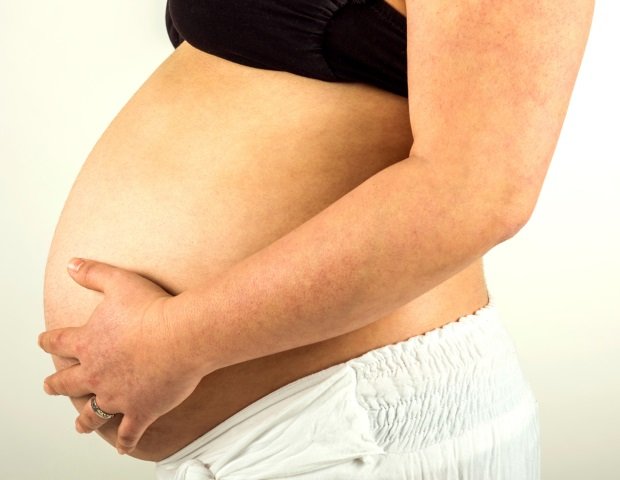
Listeria is the third leading cause of death among bacterial foodborne pathogens in the US, and pregnant women bear a disproportionate share of this burden. However, the scientific models used to set food safety policy are rarely designed specifically with pregnant women in mind. A new study to be published in Risk Analysis aims to change that.
Each year, about 1,250 Americans contract listeriosis, the disease caused by Listeria monocytogenes. The disease carries a staggering 86% hospitalization rate and is fatal in about 14% of cases. For pregnant women, the stakes are even higher: pregnancy-related cases account for 14% of all listeriosis cases, and when listeria reaches the fetus, it causes stillbirth in 25% of these infections. Many pregnant women experience only mild flu-like symptoms or none at all, while the bacteria silently crosses the placenta. Recent outbreaks in 2021-2023 linked to ice cream, queso fresco and enoki mushrooms resulted in five deaths in just three years.
Researchers Tyler Stump, Carly Gomez, Ph.D. and Jade Mitchell, Ph.D. of Michigan State University set out to fill this gap. Analyzing animal studies that monitored how pregnant hosts respond to specific doses of L. monocytogenes, the team developed new biologically plausible dose-response models—one for maternal infection and one for stillbirth—based on data from guinea pigs and gerbils, which share key biological features with humans regarding Listeria pathogenesis.
The study found that fetal brain infection is a more accurate and reliable indicator of stillbirth risk than direct stillbirth outcomes alone. Fetal brain infection was present in every observed stillbirth and absent in all non-stillbirths, making it a verifiable surrogate endpoint that greatly enhanced the accuracy of the model. By pooling this data with other stillbirth datasets, the researchers produced a model that fit better than any available.
Public health agencies should use population-specific models such as these when developing food safety guidance rather than applying general population estimates. As Listeria outbreaks continue to emerge, having more accurate risk assessment tools will support more informed and protective food safety policies.”
Jade Mitchell, Ph.D., Professor, Department of Biosystems and Agricultural Engineering, Michigan State University
The authors caution that pregnancy involves a unique combination of physiological, behavioral, and clinical variables that cannot be captured by applying general immunocompromised population models. Their work calls for public health agencies to use population-specific models when developing food safety guidelines for susceptible groups.
FDA guidance recommends that pregnant people avoid high-risk foods, including unpasteurized cheeses, raw sprouts, deli meats, hot dogs, and smoked seafood unless thoroughly heated. Listeria is unusual among foodborne pathogens in that it can grow even under refrigeration, making careful food handling especially important. Listeriosis symptoms such as fever, muscle aches, nausea, and diarrhea can appear anywhere from a day to several weeks after exposure.
Source:
