



Share some tips to boost your fertility and support your stress levels and hormones.
Hello friends! Hope you are enjoying the day so far! I have a conference call right now and two coaching calls this afternoon. I’m excited to go to a mid-screen yoga class today.
For today’s post, I wanted to talk a little about fertility. While this phase of our lives seems so far in the past (wahhhh), I know many of my friends out there are thinking about starting a family or working towards it. I also wanted to add a note here that if Fertility is a topic that challenges you, skip this post and I’ll see you back here tomorrow with a new podcast episode! I hold you in my heart and send you love.
Living a healthy lifestyle is vital not only for your overall well-being but also for your fertility. In fact, many Americans have trouble getting pregnant, with about 12-15% of couples experiencing fertility problems. The good news? Making a few adjustments to your lifestyle and diet can greatly increase your chances of getting pregnant. While I understand that there are complicated and difficult conditions out there that can all affect fertility, I’m a big believer in controlling what you can control, which is exactly what this post is about!
Today, I’m sharing a collection of natural ways to boost fertility that could make a difference. (As always, this post is not medical advice, and talk to your healthcare provider before making any fitness or dietary changes.)

(P! My baby’s fever is baaaaaaaaaaaaaaaaaaaaaaan)
13 Natural Ways to Boost Fertility
1. Reduce stress
Stress is a major factor that can negatively affect fertility in both men and women. When you’re stressed, your body releases cortisol, a hormone that can affect the reproductive system, leading to irregular menstrual cycles in women and reduced sperm production in men. Reducing stress, or the effects of daily stress on your body, is vital to improving fertility. Techniques such as yoga, meditation, deep breathing exercises, and even simple daily walks can help manage stress levels. Consider incorporating these practices into your daily routine to create a more balanced and calm environment for conception.
2. Maintain a healthy weight
Maintaining a healthy weight is one of the most important factors in boosting fertility. Both underweight and overweight individuals can experience fertility challenges. For women, being overweight can lead to hormonal imbalances and conditions like polycystic ovary syndrome (PCOS), which can negatively affect ovulation. On the other hand, being underweight can lead to irregular menstrual cycles and difficulty conceiving. Aim for a balanced diet rich in whole foods and engage in regular physical activity to maintain a healthy weight, which will optimize your fertility.
3. Increase in Physical Activity
Regular physical activity helps maintain a healthy weight, reduces stress and improves general health, all of which are beneficial for fertility. However, it’s important to strike a balance – while moderate exercise can boost fertility, excessive exercise can have the opposite effect. For women, excessive exercise can lead to irregular periods or even amenorrhea (absence of periods), while for men it can reduce sperm count. Aim for moderate, steady exercise such as brisk walking, swimming or cycling for about 30 minutes most days of the week.

4. Limit your alcohol consumption
Alcohol consumption can have a negative impact on fertility in both men and women. For women, drinking alcohol can disrupt hormonal balance, affecting ovulation and increasing the risk of miscarriage. For men, alcohol can reduce sperm count and quality. Limiting your alcohol intake – or better yet, avoiding it altogether – can greatly increase your chances of getting pregnant. If you’re trying to conceive, consider replacing alcoholic drinks with non-alcoholic alternatives or herbal teas.
5. Avoid smoking
Smoking has been shown to have a significant negative effect on fertility. In women, smoking can damage the fallopian tubes, cause changes in the cervix, and increase the risk of miscarriage and ectopic pregnancy. In men, smoking can reduce sperm count and motility, as well as damage sperm DNA. Quitting smoking is one of the best things you can do to improve your fertility and overall health.
6. Eat a balanced diet
A diet rich in fruits, vegetables, whole grains, lean proteins and healthy fats can provide your body with the nutrients it needs to support fertility. Certain nutrients, such as folic acid, zinc and omega-3 fatty acids, are particularly important for reproductive health. Consider incorporating foods like leafy greens, nuts, seeds, oily fish and avocados into your diet to boost fertility. Additionally, limit your intake of processed foods, refined sugars and trans fats, which can negatively affect fertility.
7. Consider herbal supplements
Certain herbal supplements are traditionally used to support fertility. For example, maca root is known for its ability to balance hormones and improve fertility in both men and women. Vitex, also known as chasteberry, can help regulate menstrual cycles and support ovulation. However, it is important to consult a healthcare professional before starting any new supplements, as they may interact with other medications and may not be suitable for everyone.
8. Track ovulation
Understanding your ovulation cycle is key to timing intercourse for conception. There are several methods for tracking ovulation, including monitoring your basal body temperature, observing changes in cervical mucus, and using ovulation predictor kits. By identifying your most fertile days, you can increase your chances of getting pregnant. Additionally, keeping a fertility journal can help you become more in tune with your cycle and identify any abnormalities that may need medical attention.
Check out this post about the fertility awareness method I use.

9. Get enough sleep
Sleep plays a key role in regulating hormones essential for fertility, such as melatonin and cortisol. Lack of sleep can disrupt these hormones, leading to fertility problems. Aim for 7-9 hours of quality sleep each night to support your reproductive health. Establishing a bedtime routine, limiting screen time before bed, and maintaining a consistent sleep schedule can all contribute to better sleep and, consequently, improved fertility.
10. Limit exposure to environmental toxins
Exposure to environmental toxins such as pesticides, heavy metals, and endocrine disruptors can adversely affect fertility. These toxins can affect hormone production and reproductive function in both men and women. To reduce your exposure, choose organic produce, use natural cleaning products, and avoid plastic containers that contain BPA. Making these small changes can help create a healthier environment for conception.
11. Stay hydrated
Staying hydrated is essential for overall health, including fertility. Proper hydration supports the production of cervical mucus, which is necessary for the sperm to reach the egg. It also helps maintain the balance of hormones in the body. Aim to drink at least 8 glasses of water a day and consider adding a slice of lemon or cucumber for added flavor and nutrients.
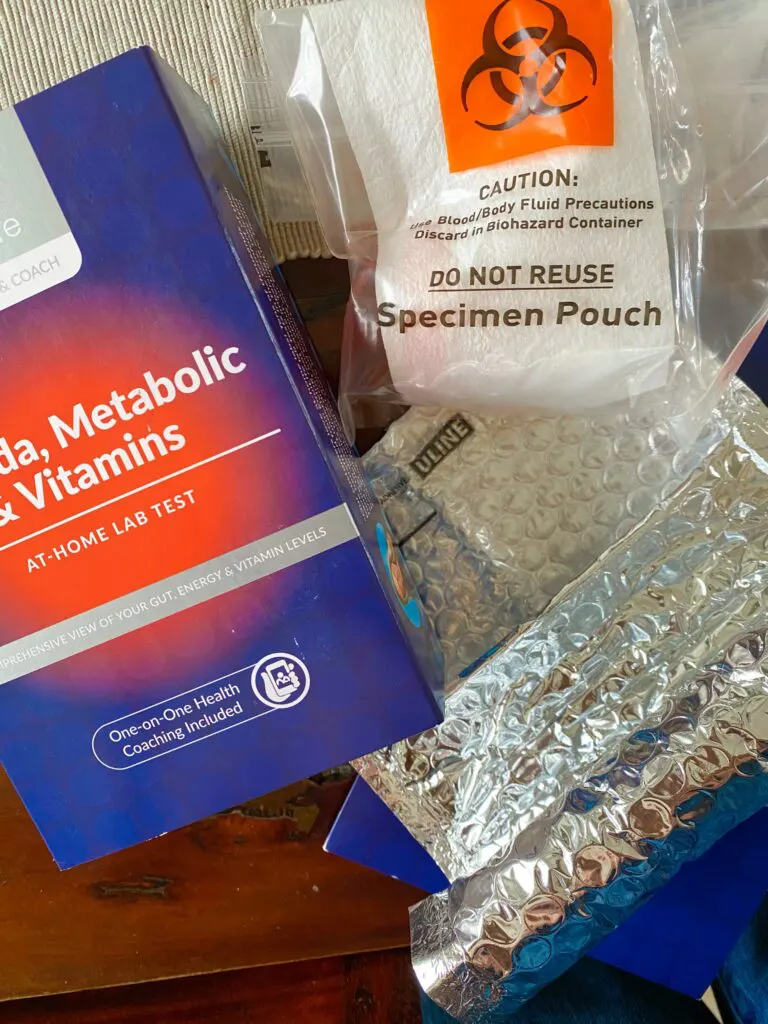
12. Review the functional test
In addition to lifestyle changes, it’s important to consider functional testing to gain a deeper understanding of your body’s unique needs. Functional tests such as blood sugar levels, A1C, stress hormone patterns, mineral balance and gut health can provide valuable insight into factors that may be affecting your fertility.
For example, blood sugar imbalances can disrupt hormonal functions, while high stress levels can lead to irregular cycles and ovulation problems. Mineral deficiencies, such as low magnesium or zinc, can negatively affect reproductive health, and poor gut health can affect hormone balance and nutrient absorption. By understanding these underlying factors, you can take targeted steps to support your fertility naturally and effectively. (If you are interested in home lab testing, email me at gina@fitnessista.com. ALL tests are on sale this week and I would love to work together to discover imbalances, toxicities and deficiencies.)
13. Seek professional guidance
If you have been trying to conceive for a while without success, it may be time to seek professional guidance. A health care professional or fertility specialist can help identify any underlying issues that may be affecting your fertility and recommend appropriate treatments.
Recap on how to boost fertility in your 30s
– Prioritize self-care and stress management.
– Consider acupuncture for fertility support.
– Focus on nutritious foods and balanced meals.
– Maintain a healthy weight with regular exercise and a balanced diet.
– Limit exposure to harmful chemicals and environmental toxins.
Making these changes can have a profound impact on your fertility and overall health. Remember, every little step counts. And if you’re looking for more natural health tips, check out my post on Natural PMS Remedies and Top 10 Prenatal Fitness Tips.
xoxo
Gina
