

Close Menu
Healthtost
  • News
  • Mental Health
  • Men’s Health
  • Women’s Health
  • Skin Care
  • Sexual Health
  • Pregnancy
  • Nutrition
  • Fitness
  • Recommended Essentials
What's Hot

Low testosterone almost broke me

March 19, 2026

Eliminate Your Daily Stimulant Fix! Here’s how to eat for sustained energy throughout the day

March 19, 2026

The snail-derived compound prevents blood clots while maintaining normal bleeding

March 18, 2026
Facebook X (Twitter) Instagram
  • About Us
  • Contact Us
  • Privacy Policy
  • Terms and Conditions
  • Disclaimer
Facebook X (Twitter) Instagram
Healthtost
SUBSCRIBE
  • News

    The snail-derived compound prevents blood clots while maintaining normal bleeding

    March 18, 2026

    Sartorius launches next-generation platform to boost efficiency in cell therapy production

    March 18, 2026

    New risk models improve food safety guidelines for pregnant women

    March 17, 2026

    Patients who stop GLP-1 drugs often start again or try alternatives

    March 17, 2026

    Weekly buprenorphine injections improve opioid abstinence during pregnancy

    March 16, 2026
  • Mental Health

    Anxiety and ADHD can overlap—here’s how to untangle these widespread mental health disorders

    March 16, 2026

    How Mental Health Professionals Can Earn CE…

    March 13, 2026

    what teenage girls told us

    March 12, 2026

    The tryptophan switch? Because exercise boosts your mood

    March 8, 2026

    Are you stressed about politics? You wouldn’t expect it, and research shows that social media is largely to blame

    March 4, 2026
  • Men’s Health

    Low testosterone almost broke me

    March 19, 2026

    How a dose of antibiotic can reshape your gut microbiome for years

    March 18, 2026

    Dr. Michelle Quist Ryder on Social Connection, Elements of Belonging, and Loneliness on Vacation

    March 17, 2026

    6 Lifesaving Skills Every Man Should Know

    March 17, 2026

    Love 6.0: Explorations of an 82-year-old Ane Healer: Love Lesson #2: To Thine Own Self Be True

    March 16, 2026
  • Women’s Health

    Eliminate Your Daily Stimulant Fix! Here’s how to eat for sustained energy throughout the day

    March 19, 2026

    How Becoming a Faster Trainer Changed My Life (and 4x My Gross Income) – Sarah Fit

    March 18, 2026

    When ‘Affordable’ Means Risk: What Disastrous Health Plans Can Mean for Black Women

    March 18, 2026

    49 Years of Women’s Power

    March 17, 2026

    “Packing Your Bag” – Essentials to Bring to Your Chemo and Infusion Appointments

    March 17, 2026
  • Skin Care

    Winter skincare essentials – The natural wash

    March 18, 2026

    Before Tropic had awards, an extensive range of products or millions of C – Tropic Skincare

    March 18, 2026

    How long does Jeuveau last? Comparison of results with Botox

    March 17, 2026

    Your top 5 skincare questions answered

    March 14, 2026

    How to prevent UV damage and keep your skin healthy

    March 14, 2026
  • Sexual Health

    Queer Muslims find community through Ramadan

    March 17, 2026

    The law and self-administered abortion during COVID19 and beyond < SRHM

    March 16, 2026

    Can you get an STD from a sex toy?

    March 16, 2026

    Positive porn, sedentary behavior and consensual non-monogamy — Sexual Health Alliance

    March 15, 2026

    Navigating identity and sexual health as a Vietnamese immigrant

    March 12, 2026
  • Pregnancy

    Choosing the best online prenatal fitness instructor course

    March 17, 2026

    I’ll say it again: Don’t kiss the baby

    March 15, 2026

    The baby is listening to you! Here’s why it matters

    March 13, 2026

    Gentle, supportive care for mothers, through pregnancy, labor and delivery

    March 11, 2026

    Stress and Fertility with Dr Haider Najjar

    March 10, 2026
  • Nutrition

    Why GLP-1s change your relationship with food

    March 15, 2026

    March 2026 • Kath Eats

    March 15, 2026

    Do pomegranates live up to their health claims?

    March 14, 2026

    Natural strategies for women to restore energy and balance hormones

    March 13, 2026

    How much sodium do you need?

    March 12, 2026
  • Fitness

    How Comparison Fuels Anxiety (and How to Break the Cycle)

    March 18, 2026

    The 5 Best Hobbies That Double as Therapy After 50

    March 17, 2026

    What is BHT in Cereals? Is it bad for you?

    March 17, 2026

    How to build a simple home gym that supports long-term healthy living

    March 15, 2026

    How to prevent joint pain during exercise after 50

    March 14, 2026
  • Recommended Essentials
Healthtost
Home»News»More AI explanations can reduce accuracy in cancer diagnosis
News

More AI explanations can reduce accuracy in cancer diagnosis

healthtostBy healthtostDecember 12, 2025No Comments4 Mins Read
Facebook Twitter Pinterest LinkedIn Tumblr Reddit WhatsApp Email
More Ai Explanations Can Reduce Accuracy In Cancer Diagnosis
Share
Facebook Twitter LinkedIn Pinterest WhatsApp Email

In recent years artificial intelligence has emerged as a powerful tool for analyzing medical images. Thanks to advances in computing and the large medical data sets from which artificial intelligence can learn, it has proven to be a valuable aid in reading and analyzing patterns in X-rays, MRIs and CT scans, enabling doctors to make better and faster decisions, particularly in the treatment and diagnosis of life-threatening diseases such as cancer. In some settings, these AI tools even offer advantages over their human counterparts.

“Artificial intelligence systems can process thousands of images quickly and provide predictions much faster than human reviewers,” says Onur Asan, Associate Professor at Stevens Institute of Technology, whose research focuses on human-computer interaction in healthcare. “Unlike humans, AI does not tire or lose focus over time.”

However, many clinicians view AI with at least some degree of mistrust, mainly because they don’t know how it arrives at its predictions, an issue known as the “black box” problem. “When clinicians don’t know how AI generates its predictions, they’re less likely to trust it,” says Asan. “So we wanted to find out whether providing additional explanations can help clinicians and how different degrees of AI explanation affect diagnostic accuracy, as well as confidence in the system.”

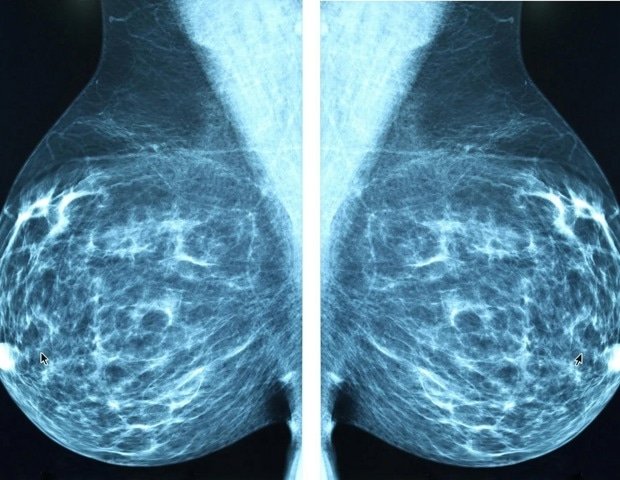
Working with his doctoral student Olya Rezaeian and assistant professor Alparslan Emrah Bayrak at Lehigh University, Asan conducted a study with 28 oncologists and radiologists who used AI to analyze breast cancer images. Clinicians were also given varying levels of explanation for their AI tool ratings. At the end, participants answered a series of questions designed to measure their confidence in the AI-generated assessment and how difficult the task was.

The team found that the AI ​​improved diagnostic accuracy for clinicians over the control group, but there were some interesting caveats.

The study found that providing more thorough explanations did not necessarily produce more trust. “We’ve found that more explanation doesn’t equal more trust,” Asan says. This is because adding additional or more complex explanations requires clinicians to process additional information, taking their time and focus away from analyzing images. When explanations were more complex, clinicians needed more time to make decisions, which reduced their overall performance.

“Processing more information adds more cognitive workload to clinicians. It also makes them more likely to make mistakes and potentially harm the patient,” explains Asan. “You don’t want to add cognitive load to users by adding more tasks.”

Asan’s research also found that in some cases clinicians were over-trusting AI, which could lead to critical information being overlooked in the images and lead to patient harm. “If an AI system is poorly designed and makes some mistakes while users have a lot of confidence in it, some clinicians may develop a blind trust in believing that what the AI ​​suggests is true and not look hard enough at the results,” says Asan.

The team presented their findings in two recent studies: The impact of artificial intelligence explanations on clinicians’ confidence and diagnostic accuracy in breast cancerpublished in his journal Applied Ergonomics on November 1, 2025 and Explainability and trust of artificial intelligence in clinical decision support systems: Effects on trust, diagnostic performance and cognitive load in breast cancer carewhich was published in International Journal of Human-Computer Interaction on August 7, 2025.

Asan believes that AI will continue to be a useful aid to clinicians in interpreting medical imaging, but such systems must be carefully constructed. “Our findings suggest that designers should be careful when creating explanations in AI systems,” he says, so they don’t become too cumbersome to use. In addition, he adds, proper user training will be needed, as human supervision will still be necessary. “Clinicians using AI should receive training that emphasizes interpreting AI outputs rather than simply trusting them.”

Ultimately, there should be a fine balance between ease of use and usefulness of AI systems, Asan notes. “Research finds that there are two main parameters for a person to use any form of technology – perceived usefulness and perceived ease of use,” he says. “So if doctors think this tool is useful for doing their job and it’s easy to use, they’re going to use it.”

Source:

Stevens Institute of Technology

Journal References:

accuracy cancer diagnosis explanations reduce
bhanuprakash.cg
healthtost
  • Website

Related Posts

The snail-derived compound prevents blood clots while maintaining normal bleeding

March 18, 2026

Sartorius launches next-generation platform to boost efficiency in cell therapy production

March 18, 2026

New risk models improve food safety guidelines for pregnant women

March 17, 2026

Leave A Reply Cancel Reply

Don't Miss
Men's Health

Low testosterone almost broke me

By healthtostMarch 19, 20260

How Low Testosterone Almost Broke Me and What I Learned as a GP As a…

Eliminate Your Daily Stimulant Fix! Here’s how to eat for sustained energy throughout the day

March 19, 2026

The snail-derived compound prevents blood clots while maintaining normal bleeding

March 18, 2026

How Becoming a Faster Trainer Changed My Life (and 4x My Gross Income) – Sarah Fit

March 18, 2026
Stay In Touch
  • Facebook
  • Twitter
  • Pinterest
  • Instagram
  • YouTube
  • Vimeo
TAGS
Baby benefits body brain cancer care Day Diet disease exercise Fitness food Guide health healthy heart Improve Life Loss Men mental Natural Nutrition Patients People Pregnancy protein research reveals risk routine sex sexual Skin Skincare study Therapy Tips Top Training Treatment ways weight women Workout
About Us
About Us

Welcome to HealthTost, your trusted source for breaking health news, expert insights, and wellness inspiration. At HealthTost, we are committed to delivering accurate, timely, and empowering information to help you make informed decisions about your health and well-being.

Latest Articles

Low testosterone almost broke me

March 19, 2026

Eliminate Your Daily Stimulant Fix! Here’s how to eat for sustained energy throughout the day

March 19, 2026

The snail-derived compound prevents blood clots while maintaining normal bleeding

March 18, 2026
New Comments
    Facebook X (Twitter) Instagram Pinterest
    • About Us
    • Contact Us
    • Privacy Policy
    • Terms and Conditions
    • Disclaimer
    © 2026 HealthTost. All Rights Reserved.

    Type above and press Enter to search. Press Esc to cancel.