

Close Menu
Healthtost
  • News
  • Mental Health
  • Men’s Health
  • Women’s Health
  • Skin Care
  • Sexual Health
  • Pregnancy
  • Nutrition
  • Fitness
  • Recommended Essentials
What's Hot

Ja’Marr Chase Offseason Training: The Explosive Workouts Fueling NFL Elite Performance

February 6, 2026

Preoperative factors predict persistent opioid use after surgery

February 6, 2026

Air conditioning in nursing homes reduces heat-related risk

February 6, 2026
Facebook X (Twitter) Instagram
  • About Us
  • Contact Us
  • Privacy Policy
  • Terms and Conditions
  • Disclaimer
Facebook X (Twitter) Instagram
Healthtost
SUBSCRIBE
  • News

    Preoperative factors predict persistent opioid use after surgery

    February 6, 2026

    AI-enabled stethoscope doubles detection of valvular heart disease

    February 5, 2026

    Gut microbial butyrate enhances mucosal vaccine antibody responses

    February 5, 2026

    Study identifies brain region that leads to visual learning

    February 4, 2026

    Unusual i-DNA structure that appears to regulate genes and cancer

    February 4, 2026
  • Mental Health

    Mental Health in the Black Community: Addressing…

    February 3, 2026

    Some people gain confidence when they think things through, others lose it – new research

    February 2, 2026

    3 practical ways to improve a writer’s mental health

    January 31, 2026

    Your phone is not a weakness. It’s a distraction machine. Here’s how to regain your focus.

    January 25, 2026

    Find out how you can support people with eating and substance use disorders

    January 24, 2026
  • Men’s Health

    Air conditioning in nursing homes reduces heat-related risk

    February 6, 2026

    Analysis: What it’s like to have non-verbal autism and what helped me

    February 5, 2026

    Testicular cancer self-examination and why it could save your life

    February 2, 2026

    25-Minute Bodyweight Functional Training Program for Beginners

    February 1, 2026

    Turning everyday eggs into powerful nutrient delivery systems

    January 30, 2026
  • Women’s Health

    Enjoying Endorphins: How to Spoil Your Mood with Feel-Good Hormones

    February 5, 2026

    A critical maternal health data system is at risk

    February 5, 2026

    Prenatal care in 2026: New recommendations for healthy pregnancy

    February 1, 2026

    3 Teens Quit Social Media for a Week — and Loved It

    February 1, 2026

    Exercises for Prevention, Symptoms & Recovery

    January 31, 2026
  • Skin Care

    5 Expert-Backed Tips on How to Reduce Forehead Wrinkles

    February 6, 2026

    5 Powerful Skincare Osmolytes (And Why Your Skin Loves Them)

    February 5, 2026

    Tranexamic Acid – Esthetic Approved Ingredient

    February 4, 2026

    Capable of creating warmth for every skin tone

    February 3, 2026

    The Perfect Nighttime Skincare Routine, Edited by About Face Aesthetics

    February 1, 2026
  • Sexual Health

    Adventurous intimacy is more common than you think — Alliance for Sexual Health

    February 5, 2026

    A guide to a comfortable cervical check with Dr. Unsworth

    February 1, 2026

    How “Bridgerton” and the Other Romances Evolved in Their Depictions of Consent

    January 30, 2026

    Extraction, gold mining and SRHR in Kenya

    January 29, 2026

    How the Wabi-Sabi Body Frame is Rewriting Body Image Therapy — Sexual Health Alliance

    January 28, 2026
  • Pregnancy

    The second trimester sweet spot is real. Here’s how to get the most out of it

    February 4, 2026

    Is it safe to drink milk during pregnancy? What to know

    January 31, 2026

    12 Expert Answers to Your Pregnancy Yoga Questions

    January 29, 2026

    Best Pregnancy and Postpartum Fitness Course 2026

    January 27, 2026

    The best baby travel products for visiting family

    January 26, 2026
  • Nutrition

    5 Ways You’re Sabotaging Your Metabolism

    February 2, 2026

    How to Save Money on Travel • Kath Eats

    February 1, 2026

    How low can LDL cholesterol go on PCSK9 inhibitors?

    January 31, 2026

    Signs that your body is ready to reset

    January 31, 2026

    Healthy Pakistani Recipes: Low-Oil Versions of Beloved Classics

    January 30, 2026
  • Fitness

    Ja’Marr Chase Offseason Training: The Explosive Workouts Fueling NFL Elite Performance

    February 6, 2026

    What’s NEW in February 2026 for the BODi Community of Experience!

    February 5, 2026

    AI As a Learning Coach – BionicOldGuy

    February 5, 2026

    Can your customers actually do what you want them to do? – Tony Gentilcore

    February 2, 2026

    7 Essential Mental Health Tips for Healthy Aging

    February 2, 2026
  • Recommended Essentials
Healthtost
Home»Women's Health»How women over 50 can boost bone density
Women's Health

How women over 50 can boost bone density

healthtostBy healthtostNovember 5, 2025No Comments6 Mins Read
Facebook Twitter Pinterest LinkedIn Tumblr Reddit WhatsApp Email
How Women Over 50 Can Boost Bone Density
Share
Facebook Twitter LinkedIn Pinterest WhatsApp Email

As women age, maintaining strong bones becomes increasingly important, especially after 50 when menopause often accelerates bone loss due to declining estrogen levels. Osteoporosis, a condition where bones become brittle and prone to fractures, affects millions of women worldwide. The good news? You can take preventive measures to increase bone density and reduce the risk of fractures. This blog explores evidence-based strategies to strengthen your bones, improve overall health, and maintain an active lifestyle.

Why bone density matters after 50

Bone density peaks in your 20s and 30s, but after menopause, a drop in estrogen can lead to faster bone loss. According to the National Osteoporosis Foundation, women can lose up to 20% of their bone density in the five to seven years after menopause. This increases the risk of osteoporosis, which can lead to fractures—especially in the hip, spine, or wrist—that affect mobility and quality of life.

Building and maintaining bone density is vital to staying active, independent and healthy. The following strategies can help women over 50 strengthen their bones and reduce their risk of osteoporosis.


1. Prioritize weight and strength training

Exercise is one of the most effective ways to build and maintain bone density. Bones respond to stress by getting stronger, so activities that put controlled stress on your bones are key.

  • Weight bearing exercises: Activities like walking, jogging, dancing or hiking force your body to work against gravity, stimulating bone growth. Aim for at least 30 minutes of weight-bearing exercise most days of the week. For example, a brisk walk or a Zumba class can be both fun and effective.
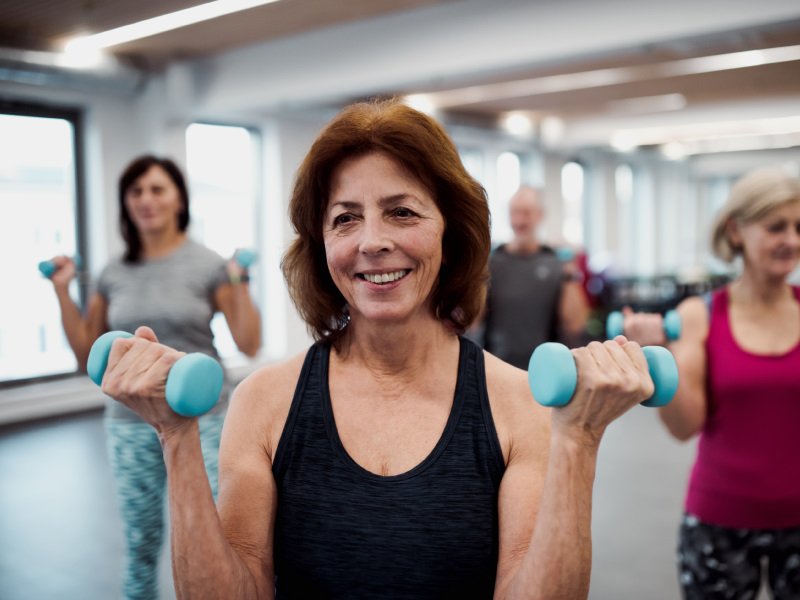
  • Strength training: Lifting weights, using resistance bands, or doing bodyweight exercise (such as squats or push-ups) strengthens muscles and bones. Focus on major muscle groups and fracture-prone bones such as the hips and spine. Two to three sessions per week are ideal.
  • Balance exercises: Activities such as yoga or tai chi improve balance and coordination, reducing the risk of falls that can lead to fractures.

Professional advice: If you are new to exercise, consult a physical therapist or trainer to design a safe program tailored to your fitness level.

2. Optimize your diet for bone health

Diet plays a critical role in bone density. Focus on foods rich in key nutrients that support bone formation and maintenance.


gifts or mom

  • Calcium: Aim for 1,200 mg of calcium daily as recommended by the National Institutes of Health for women over 50. Good sources include dairy (milk, yogurt, cheese), fortified plant-based milks, leafy greens (kale, broccoli) and almonds. If you’re having trouble meeting this goal through food, talk to your doctor about calcium supplements.
  • Vitamin D: This nutrient helps your body absorb calcium. Aim for 800–1,000 IU daily, either through exposure to sunlight, foods (oily fish, egg yolks, fortified cereals) or supplements. Many women over 50 need supplements, especially in winter or if they live in areas with limited sunlight.
  • Protein: Adequate protein supports muscle mass, which protects bones. Include lean meats, fish, eggs, beans or tofu in your diet.
  • Other nutrients: Magnesium (nuts, seeds, whole grains) and vitamin K (spinach, kale) also contribute to bone health.

Professional advice: Limit caffeine and alcohol, as excessive consumption can affect calcium absorption and bone health.

3. Consider medications or supplements (if needed)

For women at high risk for osteoporosis, medications or supplements may be needed. Always consult your healthcare provider before starting any new treatment.

  • Bone building drugs: Medicines such as bisphosphonates (eg alendronate) or denosumab can slow bone loss or increase bone density. These are often prescribed for women with osteoporosis or a history of fractures.
  • Supplements: If dietary intake of calcium or vitamin D is insufficientsupplements can help. However, too much calcium or vitamin D can have side effects, so follow your doctor’s instructions.
  • Hormone therapy: For some women, hormone replacement therapy (HRT) can help maintain bone density by counteracting estrogen loss. Discuss the risks and benefits with your doctor.

4. Get regular bone density tests

A bone density test (DEXA scan) measures bone strength and helps assess your risk of osteoporosis. The US Preventive Services Task Force recommends screening for women 65 and older or younger if you have risk factors such as a family history of osteoporosis, low body weight, or smoking. Regular screenings can detect bone loss early, allowing you to take action before fractures occur.

5. Make lifestyle changes to support bone health

Certain lifestyle habits can significantly affect bone density:


dating for women over 50

  • Quit smoking: Smoking weakens bones and reduces calcium absorption. If you smoke, seek support to quit through counseling or programs.
  • Limit alcohol: Excessive alcohol (more than one drink a day for women) can affect bone formation. Stick to moderate consumption.
  • Maintain a healthy weight: Being underweight can increase bone loss, while being overweight can stress bones. Aim for a balanced weight through diet and exercise.

6. Stay consistent and patient

Building bone density takes time and results may not be immediate. Consistency with exercise, diet and lifestyle changes is key. Track your progress with your healthcare provider and celebrate small victories like improved strength or better balance.

A sample day for bone health

Here’s what a bone-friendly day might look like:

  • Morning: Start with a breakfast of Greek yogurt with almonds and berries (calcium, protein, magnesium). Take a 30 minute walk.
  • Noon: Enjoy a lunch of grilled salmon, kale salad and a glass of fortified almond milk (vitamin D, calcium, vitamin K).
  • Afternoon: Do a 20-minute strength workout with light dumbbells or resistance bands.
  • Afternoon: Do 10 minutes of yoga for balance and make sure you get enough protein with a chicken or lentil dinner with roasted vegetables.

Increasing bone density after 50 is not only possible but also empowering. By combining regular exercise, a nutrient-dense diet, and healthy lifestyle choices, women can strengthen their bones and reduce their risk of osteoporosis. Work closely with your healthcare provider to create a personalized plan and stay committed to your bone health journey. Strong bones mean a stronger, more vibrant you—ready to take on life’s adventures!

Call to Action: Have you had a bone mineral density test? or started a bone-healthy routine? Share your tips or questions in the comments below and let’s inspire each other to stay strong!


Disclaimer: Always consult a healthcare professional before making major changes to your diet, exercise or medication routine. This blog is for informational purposes only and is not a substitute for medical advice.

Sources: National Osteoporosis Foundation, National Institutes of Health, US Preventive Services Task Force.

bone Boost density women
bhanuprakash.cg
healthtost
  • Website

Related Posts

Enjoying Endorphins: How to Spoil Your Mood with Feel-Good Hormones

February 5, 2026

A critical maternal health data system is at risk

February 5, 2026

Prenatal care in 2026: New recommendations for healthy pregnancy

February 1, 2026

Leave A Reply Cancel Reply

Don't Miss
Fitness

Ja’Marr Chase Offseason Training: The Explosive Workouts Fueling NFL Elite Performance

By healthtostFebruary 6, 20260

Ja’Marr Chase may be one of the NFL’s best wide receivers, but that doesn’t mean…

Preoperative factors predict persistent opioid use after surgery

February 6, 2026

Air conditioning in nursing homes reduces heat-related risk

February 6, 2026

5 Expert-Backed Tips on How to Reduce Forehead Wrinkles

February 6, 2026
Stay In Touch
  • Facebook
  • Twitter
  • Pinterest
  • Instagram
  • YouTube
  • Vimeo
TAGS
Baby benefits body brain cancer care Day Diet disease exercise finds Fitness food Guide health healthy heart Improve Life Loss Men mental Natural Nutrition Patients People Pregnancy protein research reveals risk routine sex sexual Skin study Therapy Tips Top Training Treatment ways weight women Workout
About Us
About Us

Welcome to HealthTost, your trusted source for breaking health news, expert insights, and wellness inspiration. At HealthTost, we are committed to delivering accurate, timely, and empowering information to help you make informed decisions about your health and well-being.

Latest Articles

Ja’Marr Chase Offseason Training: The Explosive Workouts Fueling NFL Elite Performance

February 6, 2026

Preoperative factors predict persistent opioid use after surgery

February 6, 2026

Air conditioning in nursing homes reduces heat-related risk

February 6, 2026
New Comments
    Facebook X (Twitter) Instagram Pinterest
    • About Us
    • Contact Us
    • Privacy Policy
    • Terms and Conditions
    • Disclaimer
    © 2026 HealthTost. All Rights Reserved.

    Type above and press Enter to search. Press Esc to cancel.