


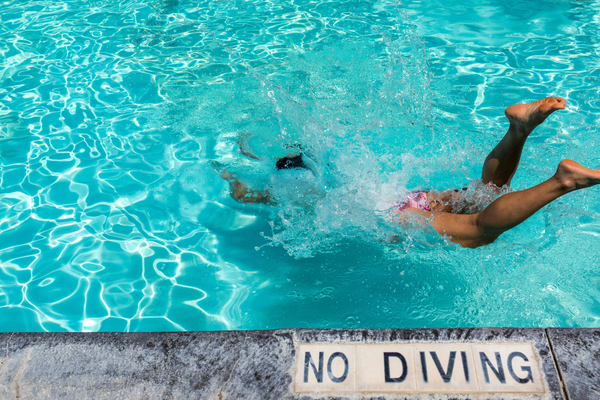

Australian summer and pool days go hand in hand. Shots. Barbecue. Ice cream. Bliss!
If you’ve ever climbed out of the pool and wondered why your hair suddenly feels like hay… you’re not imagining it. Chlorine can leave your mop tangled, frizzy, brittle or even brassy – especially if you’re already dealing with dry or colored strands.
The good news? You don’t need to avoid splashing in the water. With a little know-how and the right routine, you can protect your hair before swimming and help it recover afterwards.
How chlorine affects hair
Chlorine keeps pools clean and safe for swimming by killing bacteria (for which we are very grateful). But it’s not just the interaction with microbes. Your hair is also tangled.
Here’s how:
Chlorine removes the natural oils that coat and protect the hair shaft. These oils help keep the skin smooth, supple and hydrated. When they are removed, the cuticle can lift slightly, making the hair rougher and more porous.
Over time, this can lead to:
- Increased dryness
- Fragility
- Split ends
- Dullness
- Greater susceptibility to breakage
And it’s important to understand: all hair types are affected. While chemically treated or bleached hair may show results more dramatically, virgin hair is not immune. Chlorine can affect any hair texture, color or density.
Does chlorine affect curly and textured hair differently?
Yes – and often more noticeably.
Curly and coily hair types naturally tend to be drier because the curl structure makes it harder for scalp oils to travel up the hair shaft. When chlorine removes these limited oils, dryness can be enhanced.
Textured hair exposed to frequent swimming may experience:
- Increased frizz
- Reduced definition
- More mess
- Increased fragility
That’s why prevention and hydration after swimming is especially important for curls and coils.
Why blonde hair sometimes turns green
Chlorine itself does not directly turn blonde hair green. The real culprit is the trace elements (especially copper) present in pool water. Chlorine binds to these minerals, and when this mixture interacts with porous hair (such as bleached or light-colored strands), it can deposit a faint green or gray tone.
If you’re blonde or colored, you’re more likely to notice:
- Shamelessness
- Faded color
- Minor tonal shifts
Which makes protective preparation even more useful.
How to protect your hair before swimming
A few simple steps can significantly reduce the effect of chlorine.
1. Saturate with fresh water first
Hair acts a bit like a sponge – when it’s dry, it absorbs everything it encounters. If you thoroughly wet your hair with clean, fresh water before entering the pool, it will absorb less chlorinated water.
2. Create a light barrier
Applying a small amount of conditioner or leave-in product to the mid-lengths and ends before swimming can help create a temporary barrier. This can reduce moisture loss and minimize direct exposure. The goal is not to coat heavily, just to create a thin layer that helps smooth and lightly seal the skin.
3. Wear protective styles
Braids, buns and tied styles reduce tangling and minimize the amount of hair exposed to constant water movement. Less friction means less post-swim unraveling drama.
4. Consider a swimming cap
It may not be glamorous, but a swimming cap is one of the most effective natural barriers against chlorine. While it doesn’t keep hair perfectly dry, it does significantly reduce exposure, especially for regular swimmers.
How to help hair recovery after swimming
Prevention helps, but what you do after swimming is just as important.
1. Rinse immediately
Don’t let chlorine sit in your hair. Rinse thoroughly with fresh water as soon as possible after leaving the pool. This helps wash away chlorine and trace elements before they bind more deeply. Even if it’s just a quick shower in the pool before jumping in the car – it makes all the difference.
2. Clean gently, but properly
After exposure to the pool, hair needs cleansing but not aggressive stripping. A sulfate-free shampoo like Respect My Roots Natural Shampoo is a great choice for swim season. It gently cleanses and hydrates the scalp and hair with nutrients without aggravating the dryness that chlorine may have already caused. Because it avoids harsh detergents, it removes build-up without leaving hair feeling frizzy or brittle. It’s also approved for curly girls and perfect for all hair types – even blondes!
3. Replenish moisture
Follow with a nourishing conditioner like Respect My Roots Natural Conditioner, focusing on mid-lengths and ends.
Air conditioning helps:
- Melt the skin
- Improve manageability
- Reduce frizz
- Restore softness
Allowing the conditioner to sit for a few minutes before rinsing improves its effectiveness.
4. Reduce Heat Styling
Hair exposed to chlorine is temporarily more vulnerable. High-heat styling immediately afterwards can increase stress on the strands. If possible, let hair air dry or use lower heat settings with protection.
5. Use occasional intensive treatments
If you swim often, consider incorporating a weekly deep conditioning or strengthening treatment into your routine. Fast-acting formulas that work in five to ten minutes are recommended. Consistency matters more than marathon masking sessions.
Enjoy the pool without sacrificing your hair
Days at the pool don’t have to weigh your hair down. Protect yourself before swimming. Rinse and clean afterwards. Moisturize consistently. Be especially careful if you are blonde or have textured locks.
With a little leg exercise, you can enjoy every swim without sacrificing softness, shine or strength and maintain healthy hair all summer long and beyond.
Dive in. Just don’t forget to rinse!
Buy shampoo and conditioner
