



When your menstrual cycle is unpredictable, it can be beyond frustrating. Maybe your period surprised you by arriving early this month. Or it’s a week late, and you start to have that late period panic. Maybe your flow is suddenly heavier or lighter than normal, or your premenstrual symptoms are especially intense.
If any of this sounds familiar, you’re not alone. The research suggests up to 25 percent of women experience irregular periods.
So what causes menstrual irregularities and is there anything you can do to help regulate your cycle? Here’s what you need to know.
What is a normal period?
Your menstrual cycle is measured from the first day of your period to the first day of your next period. The average cycle is about 28 days—which is why it’s often called “that time of the month”—but whatever between 21 and 45 days considered a normal cycle length. Actually, only 10 to 15 percent of women have cycles that are exactly 28 days.
At the beginning of each menstrual cycle, you will usually have a period for two to seven days. THE middle period it lasts five days, with the heaviest flow on the first two days.
This means that the definition of a normal period can vary quite a bit from person to person. So instead of worrying about averages, watch for consistency. Whether you have a 25-day cycle or a 42-day cycle, as long as your period usually comes like clockwork, this will be considered a normal menstrual cycle.
Some slight variations are normal. But if your cycle length changes every month or your flow is unpredictable or you suddenly miss a period, let your doctor know. Irregular periods can be a sign of an underlying health problem, so don’t just brush them off.
Irregular Periods: Symptoms
When your cycle deviates from its usual pattern, it is considered an irregular period. Some common symptoms of an irregular menstrual cycle may include:
- Your cycle is shorter than 21 days or longer than 45 days.
- Your period is earlier or later than usual.
- Your period lasts longer than a week.
- Your cycle length changes every month, so you never really know when to expect your period.
- Your period is heavier or lighter than normal, or you have bleeding between periods.
- Your PMS symptoms (such as cramps, bloating or headaches) feel worse than usual.
- You have two periods in one month.
- You miss a period.
If you have irregular periods, tell your doctor — especially if you miss three or more periods in a row, or your cycle changes every month, or your periods last longer than a week.
Causes of irregular periods
“Irregular periods can feel annoying, but they’re often a sign of something your body is trying to tell you,” she says. Pamela Tambini, MDinternist and medical director at Engage Wellness. Here are some factors that can lead to irregular periods.
1. Stress
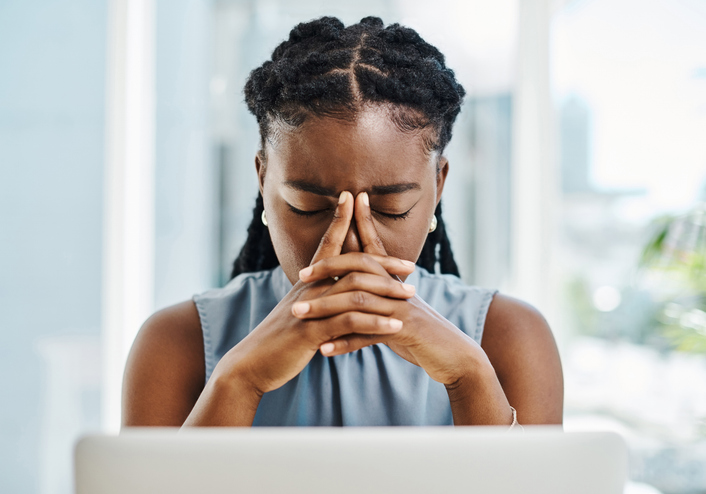
Research suggests Stress can cause fluctuations in your menstrual cycle. “Stress involves the release of cortisol, which can affect the hormones responsible for regulating the menstrual cycle,” she says. Kecia Gaither, MD, FACOGOB/GYN and director of Perinatal Services and Maternal Fetal Medicine at NYC Health + Hospitals/Lincoln. “This disorder can lead to a delayed or missed period.”
2. Inflammation
Inflammation can interfere with hormone production, Gaither says, which can lead to irregular periods. A study found that women with higher levels of inflammatory markers were more than three times more likely to have cycles longer than 35 days compared to women with low levels of inflammation.
Inflammation can be caused by a variety of factors, including injury, infection, diet, alcohol consumption, and certain medical issues. Consult a health care provider if you think you may be experiencing chronic inflammation.
3. Nutrition
Diet can play a key role in maintaining healthy hormonal balance and promoting regular periods. “Poor eating habits — such as an unbalanced diet, excessive calorie restriction, or nutrient deficiencies — can contribute to hormonal imbalance,” says Gaither.
4. Weight changes
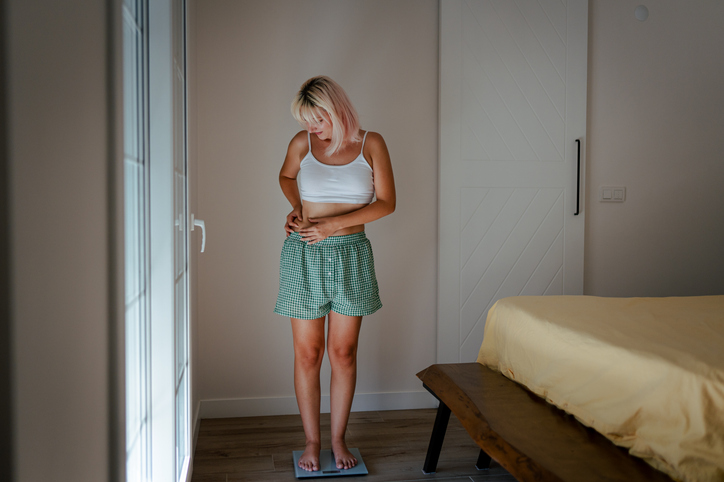
“Significant weight gain can lead to hormonal imbalances—especially elevated estrogen levels—that can disrupt ovulation and cause irregular periods,” says Tambini. One study found that obese women were double the chances have irregular periods as women whose BMI fell into the healthy range.
Women who are underweight they may also experience disturbances in their menstrual cycle, including irregular or missed periods.
5. Too much or too little exercise
A study of more than 2,600 Danish women found that those who were sedentary were 54 percent more likely to have irregular periods than those who were moderately active.
But it’s also possible to have too much of a good thing – too much exercise can lead to elevated cortisol levelswhich can disrupt your menstrual cycle.
6. Medical conditions
Underlying conditions such as PCOS, endometriosis and certain thyroid problems can affect the menstrual cycle. If you suspect your irregular periods may be due to a medical condition, or if you’re experiencing other worrying symptoms, it’s important to talk to a doctor.
5 ways to help regulate your period naturally
If you experience irregular periods, some simple lifestyle changes can help support hormonal balance and regular periods naturally.
“By focusing on healthy lifestyle habits, you can take steps toward restoring balance and improving your overall well-being,” says Tambini. “Simple lifestyle adjustments, such as balancing rest, exercise and diet, often help restore regular cycles.”
Here are five tips that can help support menstrual regularity.
1. Try a mindfulness meditation exercise
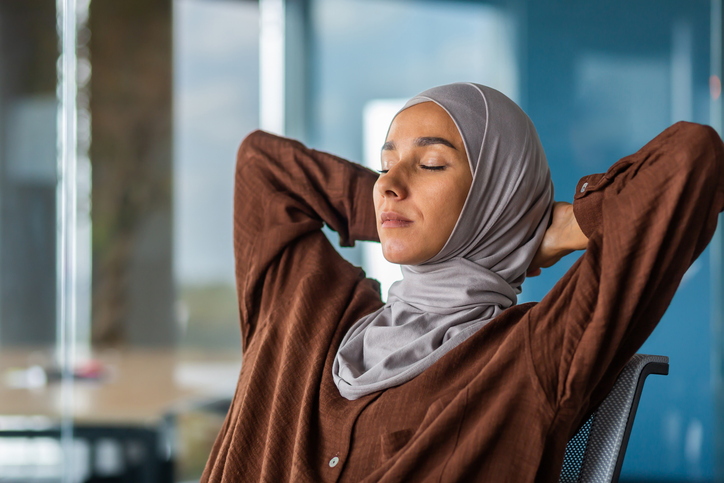
If you’re wondering how to regulate your period naturally, a little stress relief can go a long way. “Practices like deep breathing and yoga can lower cortisol levels,” says Tambini. As an added bonus, research suggests Deep breathing exercises may help reduce discomfort associated with menstruation.
2. Find a workout routine you enjoy
“Regular physical activity helps regulate the menstrual cycle by reducing stress, supporting a healthy weight, and promoting better circulation and hormonal balance,” says Gaither.
Maximize the benefits by finding an activity that helps relieve stress—like a relaxing Pilates workout to align your breathing with your movement, or a short cardio session that gets your heart pumping and your cortisol up.
3. Eat a balanced diet
“Staying hydrated and eating regular, balanced meals can help stabilize your energy and hormone levels,” says Tambini. “Focus on whole foods – fill your plate with fruits, vegetables, lean proteins and healthy fats.”
And Gaither suggests limiting the foods that can be associated with inflammationsuch as processed foods and added sugar. You may also want to reduce your consumption of canned foods and plastic water bottles, as the containers may contain endocrine disrupting chemicals which can affect hormonal balance.
4. Consider supplements that help support healthy hormones*

A few vitamins, minerals and herbal supplements in particular can have positive effects on hormone balance and regular menstruation. These include:*
- Vitamin D. “Vitamin D is vital for hormone production, and a deficiency can lead to irregular cycles,” says Gaither. One study found that women with lower levels of vitamin D were five times more likely to have menstrual disturbances compared to women with healthy vitamin D levels.
- Magnesium. This mineral can help ease PMS symptoms and support hormonal balance, says Gaither. Research shows that magnesium can too improving the body’s response to stress.
- B vitamins. B vitamins help your body convert nutrients into energy and may also help reduce PMS symptoms such as bloating, headaches and mood swings.
- Ashwagandha. This herb has adaptogenic properties that can enhance your body’s ability to adapt to the effects of stress. The research suggests Ashwagandha can help reduce cortisol levels.
- Rhodiola. Another adaptogenic herb, rhodiola can help support overall well-being with this antioxidant effects.
5. Aim to maintain a healthy weight
Weight management plays an important role in supporting hormonal balance and normal menstruation. To help with healthy weight loss or maintenance, Tambini recommends a combination of nutrient-dense meals and a consistent exercise program (about 25 minutes a day of moderate activity). “Track your progress and track how changes in diet and activity affect your cycle over time,” she says.
*These statements have not been evaluated by the Food and Drug Administration. This product is not intended to diagnose, treat, cure or prevent any disease.
