

Close Menu
Healthtost
  • News
  • Mental Health
  • Men’s Health
  • Women’s Health
  • Skin Care
  • Sexual Health
  • Pregnancy
  • Nutrition
  • Fitness
  • Recommended Essentials
What's Hot

Hopeful climate commitment can reduce mental distress

February 3, 2026

Mental Health in the Black Community: Addressing…

February 3, 2026

Can your customers actually do what you want them to do? – Tony Gentilcore

February 2, 2026
Facebook X (Twitter) Instagram
  • About Us
  • Contact Us
  • Privacy Policy
  • Terms and Conditions
  • Disclaimer
Facebook X (Twitter) Instagram
Healthtost
SUBSCRIBE
  • News

    Hopeful climate commitment can reduce mental distress

    February 3, 2026

    The young fall behind, the old thrive

    February 2, 2026

    Simple hemiarch surgery effective for elderly patients with aortic dissection

    February 2, 2026

    Embedded Monte Carlo and deep learning improve radiotherapy QA

    February 1, 2026

    Age shapes long-term outcomes after multiarterial CABG strategies

    February 1, 2026
  • Mental Health

    Mental Health in the Black Community: Addressing…

    February 3, 2026

    Some people gain confidence when they think things through, others lose it – new research

    February 2, 2026

    3 practical ways to improve a writer’s mental health

    January 31, 2026

    Your phone is not a weakness. It’s a distraction machine. Here’s how to regain your focus.

    January 25, 2026

    Find out how you can support people with eating and substance use disorders

    January 24, 2026
  • Men’s Health

    Testicular cancer self-examination and why it could save your life

    February 2, 2026

    25-Minute Bodyweight Functional Training Program for Beginners

    February 1, 2026

    Turning everyday eggs into powerful nutrient delivery systems

    January 30, 2026

    Affordable food can be better, both for you and the planet

    January 30, 2026

    Full Body Kettlebell Complex for Strength and Muscle Definition

    January 25, 2026
  • Women’s Health

    Prenatal care in 2026: New recommendations for healthy pregnancy

    February 1, 2026

    3 Teens Quit Social Media for a Week — and Loved It

    February 1, 2026

    Exercises for Prevention, Symptoms & Recovery

    January 31, 2026

    Cómo puedo saberlo: ¿Es tristeza o depresión?

    January 31, 2026

    Over 40 Body Rebuild – How to Build Muscle and Lose Fat

    January 30, 2026
  • Skin Care

    The Perfect Nighttime Skincare Routine, Edited by About Face Aesthetics

    February 1, 2026

    Cleaners that make a difference: How to choose yours

    January 30, 2026

    How to Layer Hyaluronic Toner + Serums for G – The Natural Wash

    January 29, 2026

    How to bathe my newborn – Tropical skin care

    January 29, 2026

    SPF and Snow: Everything you need to know

    January 28, 2026
  • Sexual Health

    A guide to a comfortable cervical check with Dr. Unsworth

    February 1, 2026

    How “Bridgerton” and the Other Romances Evolved in Their Depictions of Consent

    January 30, 2026

    Extraction, gold mining and SRHR in Kenya

    January 29, 2026

    How the Wabi-Sabi Body Frame is Rewriting Body Image Therapy — Sexual Health Alliance

    January 28, 2026

    Is an HPV vaccine enough?

    January 25, 2026
  • Pregnancy

    Is it safe to drink milk during pregnancy? What to know

    January 31, 2026

    12 Expert Answers to Your Pregnancy Yoga Questions

    January 29, 2026

    Best Pregnancy and Postpartum Fitness Course 2026

    January 27, 2026

    The best baby travel products for visiting family

    January 26, 2026

    The top 3 pregnancy facials that are safe and effective

    January 25, 2026
  • Nutrition

    5 Ways You’re Sabotaging Your Metabolism

    February 2, 2026

    How to Save Money on Travel • Kath Eats

    February 1, 2026

    How low can LDL cholesterol go on PCSK9 inhibitors?

    January 31, 2026

    Signs that your body is ready to reset

    January 31, 2026

    Healthy Pakistani Recipes: Low-Oil Versions of Beloved Classics

    January 30, 2026
  • Fitness

    Can your customers actually do what you want them to do? – Tony Gentilcore

    February 2, 2026

    7 Essential Mental Health Tips for Healthy Aging

    February 2, 2026

    Beginner-friendly menopause workouts to build strength

    February 1, 2026

    Best Cereals for Weight Loss: 7 Healthy, Satisfying Choices

    February 1, 2026

    Inside the OPEX Mentorship Method Week 7: Lifestyle & Nutrition

    January 31, 2026
  • Recommended Essentials
Healthtost
Home»Women's Health»Feeling suicidal before your period – Is this normal?
Women's Health

Feeling suicidal before your period – Is this normal?

healthtostBy healthtostNovember 14, 2024No Comments4 Mins Read
Facebook Twitter Pinterest LinkedIn Tumblr Reddit WhatsApp Email
Feeling Suicidal Before Your Period – Is This Normal?
Share
Facebook Twitter LinkedIn Pinterest WhatsApp Email

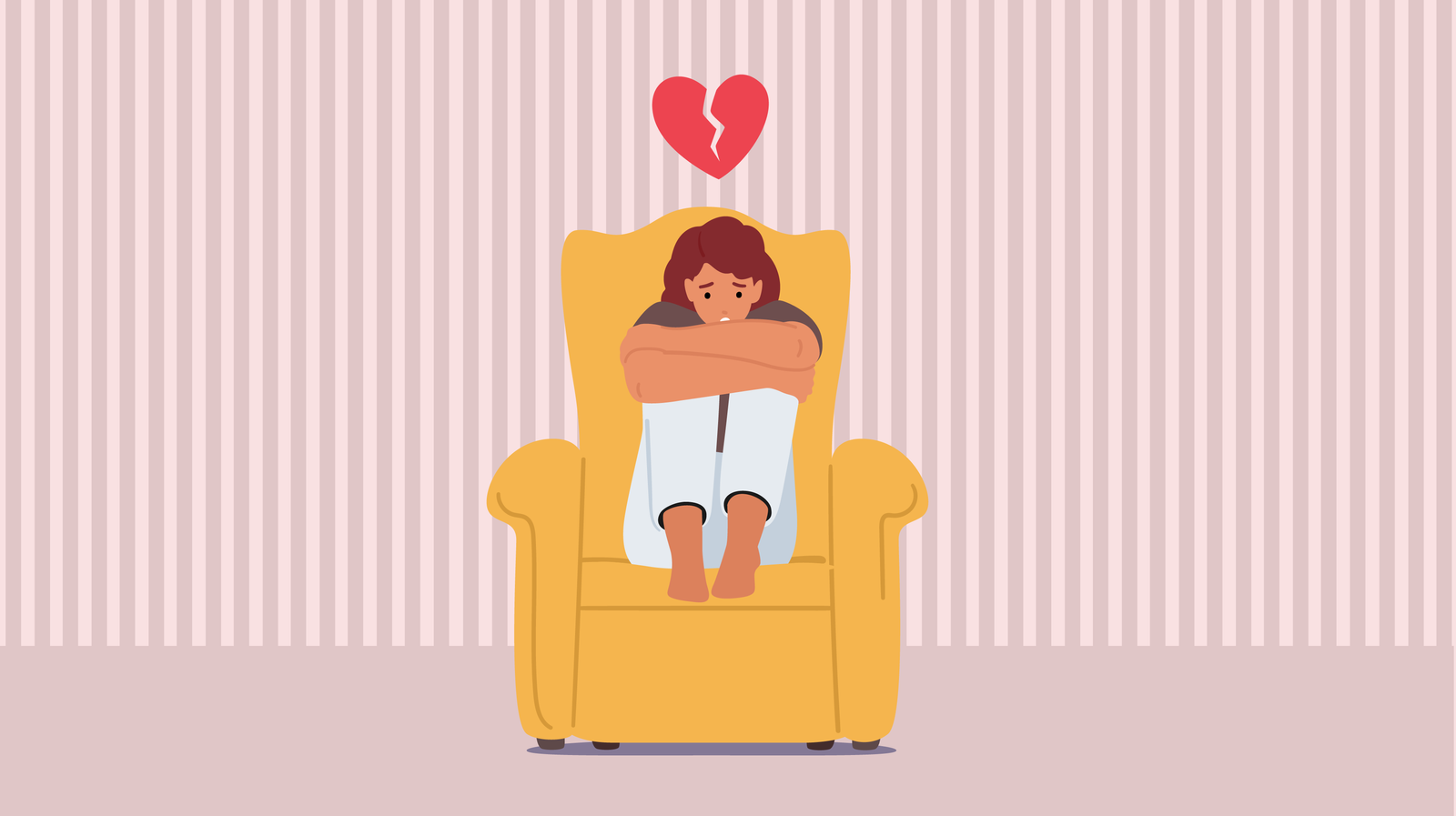
If you’ve ever had hopelessness and suicidal thoughts before your period, know that you’re not alone. Even if you don’t have a diagnosed mood disorder, you may have suicidal thoughts due to hormonal fluctuations during your cycle.

Hormones and suicidal thoughts

How we feel during the month, physically and mentally, depends largely on three sex hormones: testosterone, estrogen and progesterone.

These hormones fluctuate depending on where we are in our cycle, so we may feel positive during some weeks (ovulatory phase) and negative during other weeks (luteal phase).

These fluctuations can cause women to experience extreme negative emotions, such as anger, depression, and even suicidal thoughts. Studies show that there may be a direct link between the severe drop in estrogen and progesterone after ovulation and increased suicidal thoughts in women.

Research shows that suicide is the second leading cause of death for teenage girls in America, with 22% of girls reporting suicidal ideation, compared to 12% of teenage boys, and could be due to hormonal fluctuations that teenage girls experience . Even women without diagnosed mood disorders (such as borderline, depressive, or anxiety disorders) may experience suicidal thoughts due to hormonal fluctuations.

The largest study to date looking at PMDD and suicide found this 34% of women who suffer from PMDD have attempted suicide. Researchers have confirmed that suicide attempts due to PMDD are independent of depression, PTSD and other disorders. 67% of women who never received another mental health diagnosis reported active suicidal ideation, compared to 72% of women who had other mental health disorders.

What is also interesting is that a recent Swedish study found that women who experience PMS and PMDD are also more prone to various forms of injury, not just suicidal behaviors, such as car accidents, falls, and other accidents.

What is PMDD?

PMDD, or premenstrual dysphoric disorder, is a disorder “characterized by severe mood disturbances, including profound depression, anxiety, and irritability, that usually begin one to two weeks before menstruation and decrease when menstruation begins style,” explains the certified sex therapist. Aliyah MoorePh.D. It affects 3-8% of women of reproductive age.

PMDD is not depression or other mood disorders and has symptoms such as:

  • Depressed mood, feelings of hopelessness or suicidal thoughts
  • Anxiety, tension, feeling “locked up” or “on edge”
  • Persistent and intense anger or irritability
  • Decreased interest in usual activities
  • Lethargy, easily tiring or severe lack of energy
  • Significant change in appetite, overeating, or cravings for certain foods
  • Hypersomnia or insomnia
  • Other physical symptoms include breast tenderness or swelling, headaches, joint or muscle pain, a bloated feeling, or weight gain

Researchers are still not 100% sure why some women have PMDD. However, some do research suggests that women with pre-existing mood disorders such as major depression and anxiety disorder could be more prone to experience PMDD.

PMDD vs. PMS

Most women will experience some degree of PMS (premenstrual syndrome). Some may have more severe symptoms, which may affect their lives more, while others barely notice and can go about their days as usual.

It is important to note that PMS and PMDD are not the same. PMS is treatable and doesn’t affect your life or make you a completely different person, whereas PMDD can significantly affect your daily life and healthy functioning

Is there a cure?

While there is no magic cure that will make severe hormonal fluctuations or PMDD go away completely, there are things you can do to manage the symptoms. According to Harvard Healththere are two ways to manage PMDD:

Antidepressants

Certain types of antidepressants that slow the reuptake of serotonin, known as SSRIs, could help some women manage severe symptoms during the luteal phase of their cycle. What’s interesting is that according to Harvard Health, women with PMDD don’t need to take antidepressants every day, but can only do so during the luteal phase of their cycle, when symptoms are most severe.

Lifestyle changes

Lifestyle changes could also affect symptoms and help manage severe mood swings. Eating less caffeine, sugar, and alcohol and focusing on an unprocessed, whole-food diet, as well as incorporating some aerobic exercise, can help improve symptoms. Mindfulness can help manage stress, which can also have a positive impact on women struggling with PMDD.

Cognitive Behavioral Therapy (CBT)

There is some elements that CBT could potentially help women minimize and even completely eliminate PMS symptoms.

What to do when you feel down

Many women tend to suffer in silence when they experience PMDD symptoms, such as suicidal thoughts. It is important to understand that you are not alone and that any discomfort you feel is temporary.

If your symptoms are severe, contact your doctor, who can help you find a treatment that’s right for you. Otherwise, consider seeing a therapist to see if talk therapy can help.

Feeling Normal Period suicidal
bhanuprakash.cg
healthtost
  • Website

Related Posts

Prenatal care in 2026: New recommendations for healthy pregnancy

February 1, 2026

3 Teens Quit Social Media for a Week — and Loved It

February 1, 2026

Exercises for Prevention, Symptoms & Recovery

January 31, 2026

Leave A Reply Cancel Reply

Don't Miss
News

Hopeful climate commitment can reduce mental distress

By healthtostFebruary 3, 20260

Climate concern is associated with symptoms of depression and anxiety in Finns of all ages.…

Mental Health in the Black Community: Addressing…

February 3, 2026

Can your customers actually do what you want them to do? – Tony Gentilcore

February 2, 2026

The young fall behind, the old thrive

February 2, 2026
Stay In Touch
  • Facebook
  • Twitter
  • Pinterest
  • Instagram
  • YouTube
  • Vimeo
TAGS
Baby benefits body brain cancer care Day Diet disease exercise finds Fitness food Guide health healthy heart Improve Life Loss Men mental Natural Nutrition Patients People Pregnancy protein research reveals risk routine sex sexual Skin study Therapy Tips Top Training Treatment ways weight women Workout
About Us
About Us

Welcome to HealthTost, your trusted source for breaking health news, expert insights, and wellness inspiration. At HealthTost, we are committed to delivering accurate, timely, and empowering information to help you make informed decisions about your health and well-being.

Latest Articles

Hopeful climate commitment can reduce mental distress

February 3, 2026

Mental Health in the Black Community: Addressing…

February 3, 2026

Can your customers actually do what you want them to do? – Tony Gentilcore

February 2, 2026
New Comments
    Facebook X (Twitter) Instagram Pinterest
    • About Us
    • Contact Us
    • Privacy Policy
    • Terms and Conditions
    • Disclaimer
    © 2026 HealthTost. All Rights Reserved.

    Type above and press Enter to search. Press Esc to cancel.