


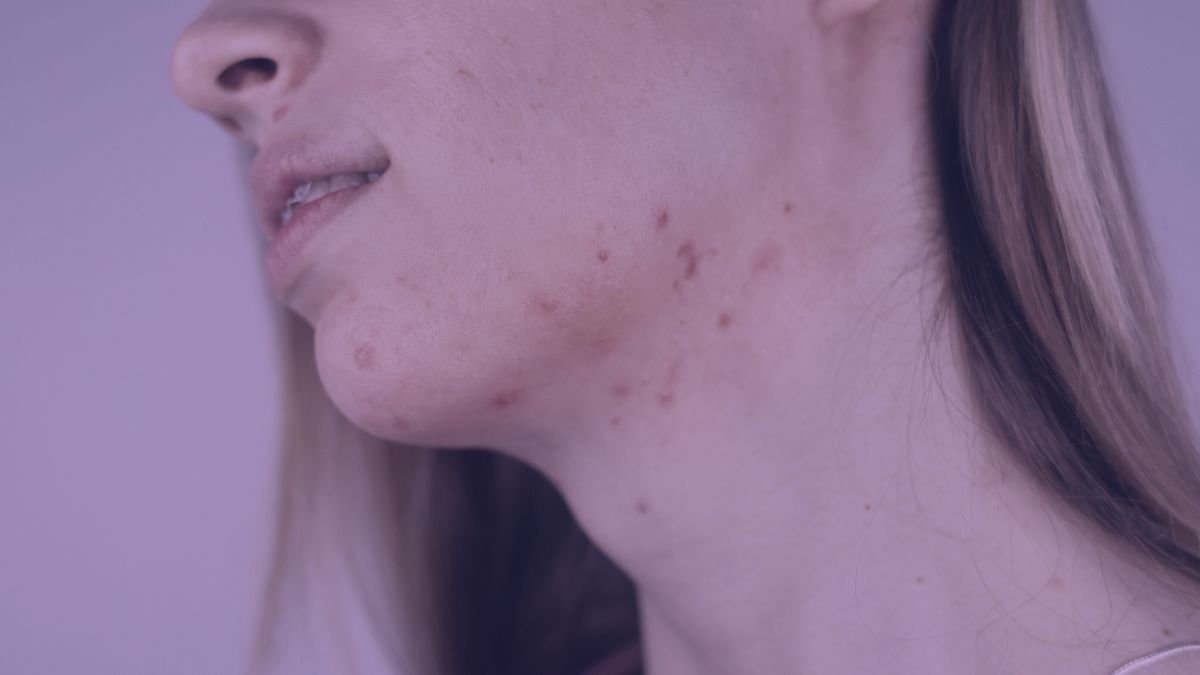
PCOS is a hormonal condition that affects millions of women worldwide.
But in addition to its effect on women’s reproductive health, PCOS can also significantly affect skin health and is often behind inflammatory skin conditions such as acne.
So if you think your acne might be related to PCOS, here’s everything you need to know about managing and treating it.
Note: I can show you how to never have acne again. If you have acne and want it to go awayread this message.
What is PCOS?
Polycystic ovary syndrome, or PCOS, is a condition that occurs when women’s ovaries produce higher than normal amounts of male hormones, or androgens.
We all need these hormones, and in women, they serve a purpose to help regulate the menstrual cycle.
However, when they are produced in excess, it can lead to a range of symptoms including irregular periods, difficulty conceiving, fatigue and weight gain, to name a few.
Additionally, the high androgen levels associated with PCOS can also cause a number of physical changes.
The exact cause of PCOS remains unknown, but factors such as genetics and insulin resistance (a condition where your body does not respond well to insulin, which leads to higher blood sugar levels) play an important role in its development.
PCOS and its effect on the skin
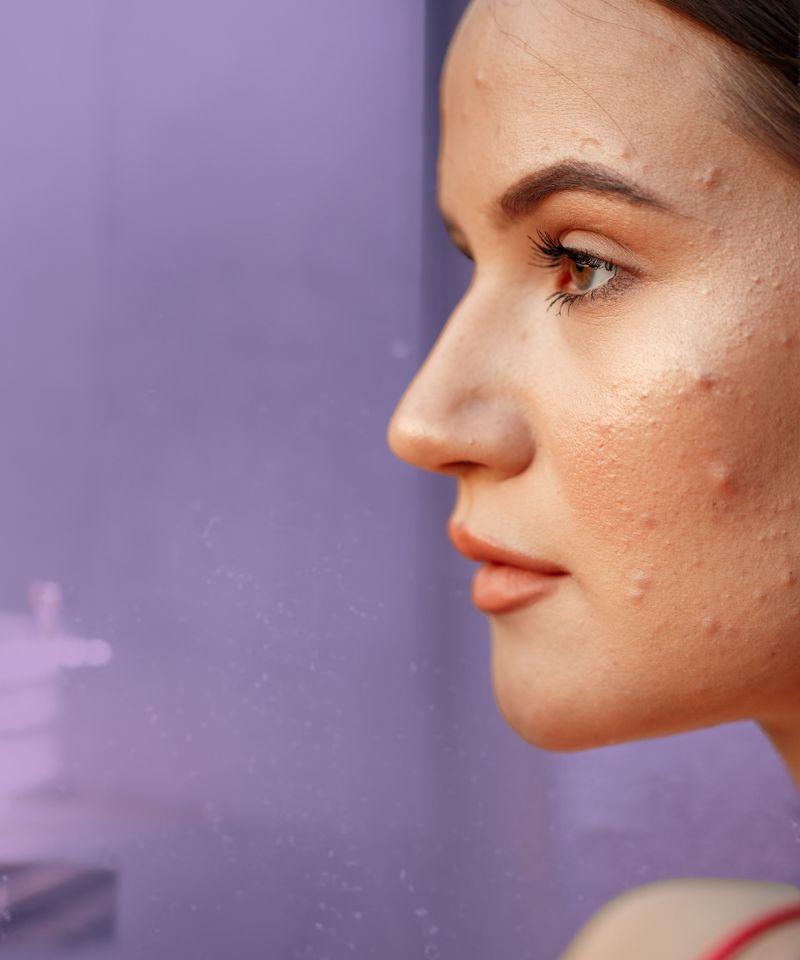
PCOS can lead to various skin-related problems, not only because of the hormonal imbalances it causes, but also as a result of insulin resistance, inflammation, and other factors associated with the syndrome.
Hypertrichosis (excessive hair growth)
Hypertrichosis or excessive hair growth in areas where men usually grow hair (face, chest, back), affects a significant number of women with PCOS.
This condition is directly related to increased androgen levels, which stimulate the hair follicles to produce more and thicker hair.
This symptom not only has physical effects but can also lead to significant psychological distress.
Acanthosis Nigricans (Dark, thick patches on the skin)
Acanthosis nigricans is characterized by dark, velvety skins that they usually appear in the folds and folds of the body, such as the neck, armpits and groin.
This condition is closely associated with insulin resistance—a common problem in PCOS.
High insulin levels can drive the growth of skin cells, leading to the characteristic patches of acanthosis nigricans.
In addition, the condition is often considered a warning sign of diabetes.
Seborrheic Dermatitis
Although not as often discussed as a symptom of PCOS, seborrheic dermatitis—an inflammatory skin condition that causes red, scaly, and itchy patches on the scalp and neck—cit is also more prevalent in those with this condition.
The exact relationship between PCOS and seborrheic dermatitis is not fully understood, but it may be related to hormonal imbalances that affect the skin’s oil production, leading to an overgrowth of yeast that naturally lives on the skin but feeds on our oil and causes inflammation.
Skin tags
Skin tags, small flesh-colored or slightly pigmented growths on the skin, often appear in areas where the skin rubs together, such as the neck, armpits, and groin.
Like acanthosis nigricans, Skin tags in PCOS are associated with insulin resistance.
High levels of insulin promote the growth of skin cells, leading to the development of skin tags.
Does PCOS cause acne?
Acne is an inflammatory skin condition most commonly associated with PCOS and is supported by significant scientific research.
The link between PCOS and acne can be attributed to hormonal imbalances, particularly high levels of androgens.
Androgens are hormones that directly stimulate the oil glands in the skin, leading to excessive sebum production.
However, since sebum passes through the pores, excessive amounts can block these tiny passages.
The sebum then oxidizes and hardens inside the pores and forms a plug due to mixing with dead skin cells, which are also on their way out of the pores.
This hardened plug of cellular debris now creates an airless environment in which a particular strain of bacteria that lives on our skin needs to multiply.
However, after a period of time multiplying within the pores, the immune system detects this bacterial overgrowth as a threat and initiates an immune response by sending white blood cells to the area to fight the invader.
This “battle” between bacteria and the immune system leads to inflammation, causing acne symptoms such as redness, swelling and pus.
Additionally, in addition to the abnormally high amount of androgens that are a part of the hormonal imbalances, PCOS can also lead to elevated insulin levels, which has also been linked to the development of acne.
Insulin can cause inflammation in the body, which can worsen acne symptoms.
Acne caused by PCOS usually appears on the lower face, jawline, and sometimes on the chest and back.
Management of PCOS-related acne
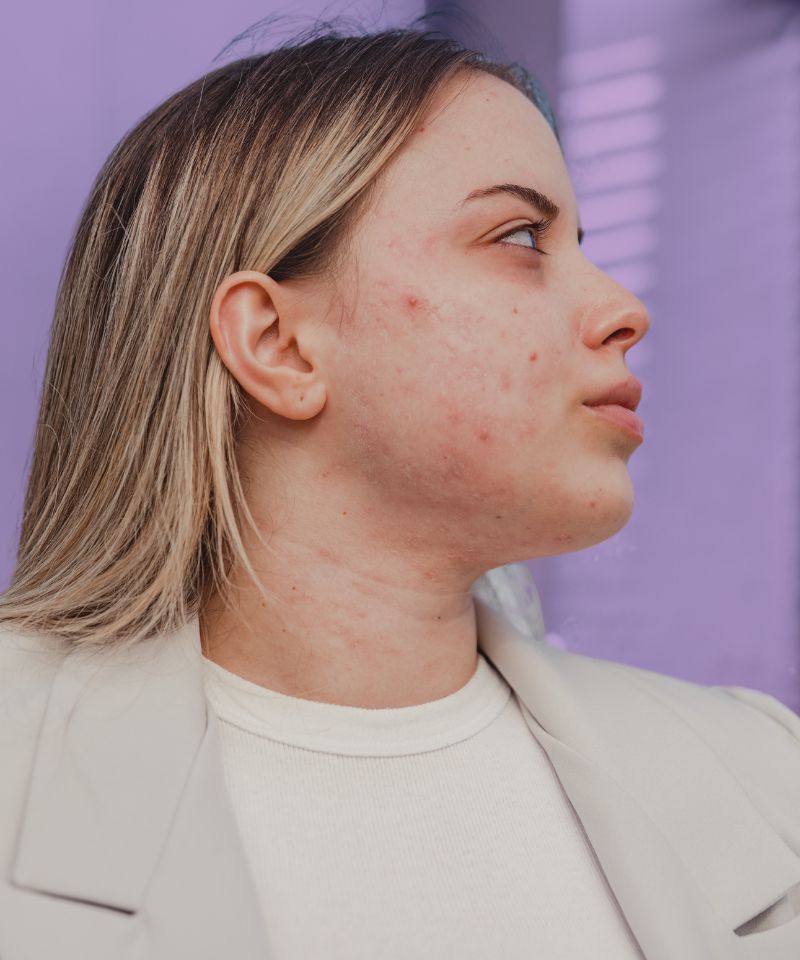
Effective management of PCOS-related acne involves a multifaceted approach that addresses both the hormonal imbalances at the core of the condition and the symptoms that manifest on the skin.
Here are detailed strategies to consider:
Lifestyle modifications
Nutrition and Exercise
A balanced diet rich in whole foods and low in processed, sugary, and high-glycemic foods can help manage insulin levels and reduce inflammation, which are beneficial in controlling PCOS symptoms, including acne.
Here are some foods to include in your daily menu if you are struggling with acne caused by PCOS:
- Lean protein: Chicken, fish, tofu and legumes can help balance blood sugar levels.
- Foods with a high fiber content: Fruits, vegetables and whole grains can slow the absorption of sugars into the bloodstream.
- Healthy Fat: Avocados, nuts and olive oil can help regulate hormones.
- Antioxidants: Berries, leafy greens and green tea can reduce inflammation.
- Foods Rich in Omega-3 Fatty Acids: Salmon, sardines and chia seeds can help promote ceramide production and improve skin barrier function.
Weight management
Achieving and maintaining a healthy weight can significantly affect hormone regulation and reduce the negative symptoms of PCOS.
Losing weight has been shown to improve hormone balancethey reduce insulin resistance and promote increased circulation, encouraging the supply of nutrients and oxygen to the skin and improving its health and appearance from the inside out.
Medical treatments
Hormonal Therapy
Birth control pills are a popular long-term PCOS maintenance option because they contain estrogen and progestin (female hormones), which can help regulate menstrual cycles, reduce androgen levels, and consequently reduce the severity of acne.
However, Birth control pills can deplete the body of essential nutrientsincluding selenium and zinc, which are vital for skin health.
So while it’s an option that may be helpful for some women experiencing PCOS-related acne, it can be a double-edged sword, so it shouldn’t be a first-line treatment.
In addition, spironolactone is another popular option that works by blocking the effects of androgens on the skin, leading to reduced oil production.
However, like birth control pills, Spironolactone can also cause nutrient deficiencieswhich can cause a whole new set of unwanted symptoms.
So while hormone therapy can be tempting because of its promise of working faster than natural routes, it requires a tailored approach and careful monitoring to avoid further imbalances and potential side effects.
Alternative and complementary therapies
Some people with PCOS find relief from acne through alternative treatments.
However, it is important to note that these are not approved PCOS treatment methods, but are more natural and less invasive options that may provide relief for some people without causing significant side effects.
Here are some complementary therapies that may be worth considering:
Skin care routine
Topical treatments can be a critical component in the management of acne in PCOS.
They are applied directly to the skin and can help manage symptoms externally, including minimizing the severity of existing acne, preventing new lesions from forming and reducing the risk of scarring.
Here are some topical treatments that may help improve acne associated with PCOS:
Retinoids
Topical retinoids are effective in treating acne by promoting cell cycle and preventing hair follicles from clogging.
Additionally, due to their ability to stimulate collagen production, retinoids can help improve the appearance of acne scars, including atrophic scars left by severe acne.
Benzoyl peroxide
Benzoyl peroxide is an antibacterial ingredient that saturates pores with oxygen, thereby destroying the airless environment bacteria need to survive.
This can help reduce inflammation and blockage and soothe active acne while preventing new breakouts down the line.
Benzoyl peroxide can be used as a rinse or remover. However, it can be drying and irritating to sensitive skin, so it is necessary to start with a low concentration and minimal frequency of application.
Salicylic acid
Salicylic acid is an oil-soluble beta-hydroxy acid (BHA) that penetrates deep into pores to dissolve plugs made up of cellular debris and unclog those passages to reduce bacterial overgrowth.
This action will help soothe active acne, redness and inflammation, and by continuing to regularly incorporate salicylic acid into your skincare routine, you can also prevent new acne breakouts from forming.

My name is Simone and I am a board certified dermatologist. I created this site to teach my readers how to take great care of their skin and I also like to occasionally share my honest opinions on skin care products I’ve tried. You can learn more about me here.
The solution for acne: Your ultimate guide to Impeccable Complexion

An extensive, no nonsense course it shows you how to never get acne againby a licensed Esthetician specializing in oily/acne-prone skin;.
