


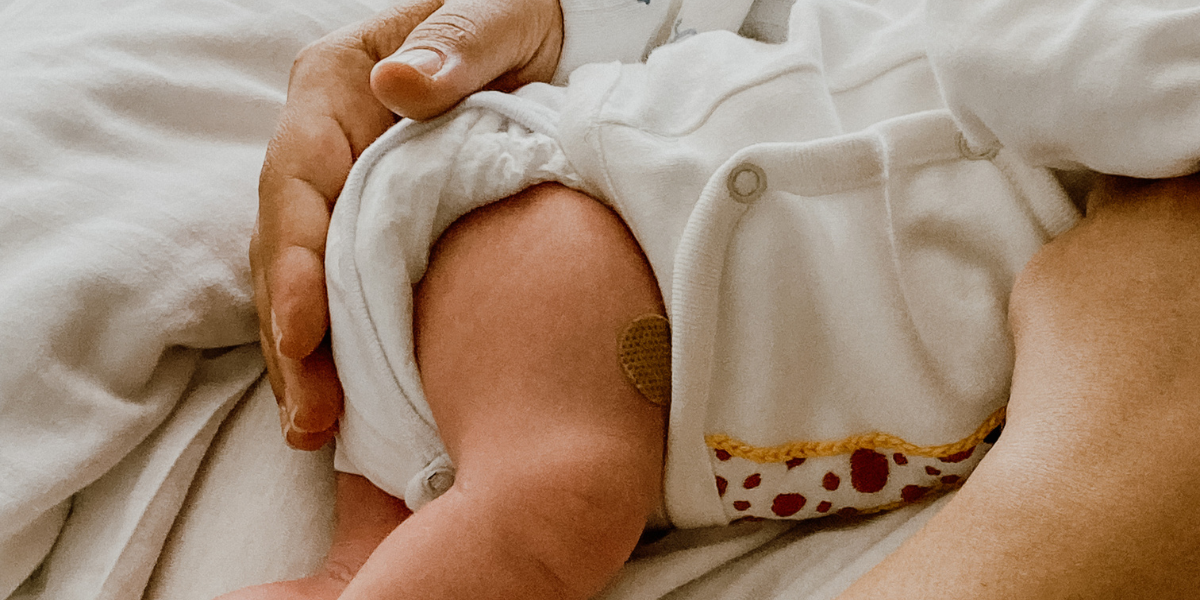
A panel advising the Centers for Disease Control and Prevention (CDC) has made a troubling change in hepatitis B vaccine recommendations that will leave some infants unprotected.
Since 1991, the CDC has recommended that all newborn babies be vaccinated against the virus before they leave the hospital. A second vaccine is given at one or two months and a third between six and 18 months.
This vaccination campaign was extremely successful—Acute infections among children and adolescents fell by 99% between 1990 and 2019. Most public health experts and medical groups firmly believe that the practice worked and no changes were needed. There has been no new research to suggest otherwise.
Nevertheless, the Advisory Committee on Immunization Practices (ACIP) voted to change the recommendations. Now he says only babies born to women with hepatitis B or women whose status is unknown should get the vaccine while in hospital. Parents of all other newborns should talk to their doctor and decide if/when their baby should get the vaccine.
Changes also affect subsequent installments. The new recommendations say that babies should be tested for antibodies between doses, and the results of these tests should be used to determine if/when they receive additional doses. Experts say this approach has never been tried.
ACIP says the new recommendations are based on a shared decision-making model designed to give parents more control, but experts say it will only cause confusion.
Hepatitis B is highly contagious
The hepatitis B virus is spread through contact with contaminated body fluids such as blood, semen and vaginal secretions. It can be transmitted through oral, anal and vaginal sex. It can also be spread during injection drug use if people share needles or other equipment.
Most babies who get hepatitis B get it from their mother at birth. It is recommended that pregnant women be tested for hepatitis B before giving birth, but some women do not have access to the prenatal care they need and may not be tested during pregnancy.
The virus is also transmitted in other ways. The hepatitis B virus can live outside the body – on surfaces in our homes, schools and public spaces – for up to seven days. It is still infectious during this time. This means that the virus can be passed from a family member to a child in the home through items such as toothbrushes, razors and nail clippers. It also means that children can spread the virus to each other through biting (which is common in nurseries), accidents on the playground or contact with blood during sports. Blood does not have to be visible to be infectious.
Vaccinating all newborns for hepatitis B within 24 hours of birth protects them from contracting the virus during birth and as they grow.
Hepatitis B is dangerous in young children
Hepatitis B affects the liver. Initial or acute hepatitis B infection may be mild and have few, if any, symptoms. Many people who get an acute infection clear the virus on their own without treatment. Once a person clears the virus, they cannot get hepatitis B again.
Other people who get hepatitis B don’t clear it and develop a chronic infection, which can last a lifetime. Over a lifetime, chronic infection can lead to liver damage, liver failure, liver cancer or even death.
Hepatitis B is especially dangerous for babies and young children. Babies infected with hepatitis B at birth or in the first year of life have a 90% chance of developing chronic infection. Young children infected between the ages of one and five have about a 30% chance of developing a chronic infection.
A quarter (25%) of babies and young children who develop chronic infection will die from the disease.
The hepatitis B vaccine is safe and effective
Some ACIP members said a shared decision-making process is necessary because parents need to better understand the risks of vaccination, but the risks are very low. More than one billion doses of hepatitis B vaccines have been administered worldwide since 1982. The most common side effects are mild and include headaches, fever, or pain at the injection site.
We also know that the vaccine protects young people and adults. As this chart shows, the rate of reported acute hepatitis B infections has decreased by 88.5% since the vaccine was first recommended in 1982, from 9.6 cases per 100,000 population to 1.1 cases per 100,000 population in 2015.
