


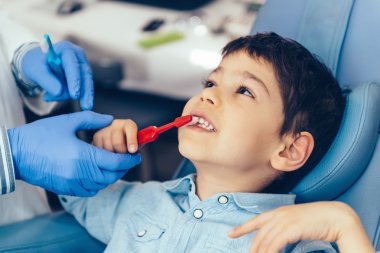
Preschoolers are children ages three to five who are in the early stages of learning and development.
At this stage, they develop their primary teeth, also known as baby teeth, which will eventually fall out and be replaced by permanent teeth.
However, this does not mean that dental health should be neglected. In fact, tooth decay is the most common dental disease among preschoolers, with one in ten two-year-olds already having one or more cavities.
As a result, it is important for parents and caregivers to be aware of dental health tips for preschoolers to prevent dental disease and ensure their children’s overall health and wellness.
Promoting dental health in preschool children is crucial to establishing good oral hygiene habits early on. This saves your child from developing teeth or gum problems later in life.
In this article, you will learn some dental health tips for preschoolers that you should follow for your little one.
5 Top Dental Health Tips for Preschoolers
Here are the basic dental health tips for preschoolers to follow in your little ones to ensure they grow up with healthy teeth and gums.
1. Brush twice a day using a low fluoride toothpaste
As soon as your child’s first tooth comes in, brush their teeth using a soft-bristled toothbrush and a small dab of fluoride toothpaste. Brush your teeth twice a day, in the morning and before bed. You have to help them until they are five or seven years old.
Also, the brushing method is essential for preschoolers. Brush their teeth in small circular motions, covering all surfaces. Make it a fun activity by using a timer or playing their favorite song during brushing (about two minutes), otherwise they will always struggle with you, especially in the early moments.
However, it is recommended that you start cleaning your child’s mouth even before their first tooth appears. Gently wipe their gums with a clean, damp cloth after feeding to remove bacteria.
2. Limit snacks and sugary drinks
Another key dental health tip for preschoolers is to limit their consumption of sugary snacks and drinks.
Cut back on snacks and sugary drinks, especially between meals. Too much sugar can contribute to tooth decay. Encourage healthy alternatives such as fruits, vegetables and water.
3. Encourage drinking water
Another key dental health tip for preschoolers is that they should be encouraged to drink tap water throughout the day. The tap water supply usually has fluoride, which will help keep their teeth from decaying.
If the tap water at home is not fluoridated, talk to your dentist about fluoride supplements or treatments to help protect your child’s teeth from cavities and other dental problems that affect preschoolers.
In addition, water helps to remove food particles and neutralize acids in the mouth. Also, for children from two years and above, you can introduce them to plain milk as it is very healthy.
4. Eat a lot more healthy snacks and meals
Healthy snacks and meals play a role in promoting and maintaining preschool children’s dental health. Expose preschoolers to healthy foods such as vegetables, fruits, lean meats, grains, fish, grains, dairy, and eggs.
Also, fruits and vegetables are good and dairy products like milk, yogurt and cheese are good sources of calcium and are good for teeth.
Also, preschoolers watch and copy what you do as parents. Therefore, it is important to model healthy eating for your children. They learn about food by watching their parents and other family members.
5. Visit the dentist regularly
Schedule regular dental checkups for your child. The dentist can monitor their oral health, provide professional cleanings and address concerns or issues. Every child is different and some may need additional dental care. Consult a pediatric dentist for personalized advice tailored to your child’s needs.
Conclusion
If you want your child to grow up with good oral health and healthy teeth and gums, you need to follow all the health tips for preschoolers listed above. If their dental health is not adequately treated as infants and children, they may develop complications later as young teenagers and adults.
Please follow and like us:
