


After a heart attack, the heart struggles to regain and maintain energy. One-third of patients develop heart failure as a result ⎯ a condition that affects 6.8 million Americans and carries a high lifetime risk, with 1 in 4 US adults expected to develop the condition in their lifetime. This makes finding a lasting cure a medical priority.
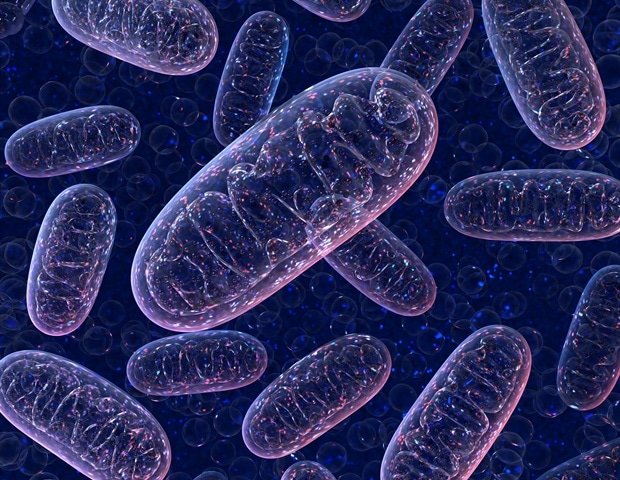
Because heart failure is basically an energy crisis for the heart, mitochondria, the organelles that live inside most cells and produce the energy cells need to function, could be a critical ally in recovery. Using a CRISPR-based technique, researchers at Rice University and Baylor College of Medicine induced heart cells to increase mitochondrial production to optimal levels, paving the way to a new treatment for heart failure.
Previous research has shown that activating specific genes can increase the number and function of mitochondria. However, older strategies forced cells to overreact, which caused cellular dysfunction. We used a new technique that controls internal regulatory pathways, allowing the cell to safely produce more mitochondria without burning out.”
Mario Escobar, assistant research professor of bioengineering at Rice and first author on a study published in Molecular Therapy
CRISPR, or clustered regularly interspaced short incisor repeats, is a revolutionary gene-editing technology that has made it possible to target and edit specific genes, enabling therapeutic breakthroughs in the treatment of hereditary blindness, muscular dystrophy and, more recently, Huntington’s disease.
The researchers developed a non-editable CRISPR system that specifically regulates gene expression and acts as an “on” switch, prompting the cell to accumulate more mitochondria.
Isaac Hilton, an associate professor of bioengineering at Rice and corresponding author on the study, said “what makes this work powerful is the level of control.”
“Instead of forcing the cell to overproduce a gene, we used CRISPR to induce and regulate its natural regulatory systems in a measured way,” Hilton said. “This allows us to enhance mitochondrial performance while maintaining balance in the cell, which is a key requirement for safe clinical translation.”
When tested on various types of human cells, the system successfully increased production of the regulatory protein, boosting mitochondrial function and cellular energy levels. Importantly, when applied to human cardiomyocytes ⎯ the heart cells responsible for pumping contractions ⎯ the system improved the rate of oxygen consumption, an indicator of improved mitochondrial function. The researchers found similar improvements in mitochondrial function when they tested the system in an animal model as well as adult human heart donor tissue from both normal and diseased hearts.
“These results are promising for the development of future treatments for heart failure and other metabolic diseases,” Escobar said.
Current treatments for heart failure focus on reducing the heart’s energy demand to match the reduced energy supply.
“Conventional approaches can cause additional complications over time because they don’t address the root of the problem,” said Ravi Ghanta, professor of surgery at Baylor and co-corresponding author on the study. “As heart failure is expected to become more prevalent, it is especially important to focus our efforts on developing effective treatment. This work is an important step in that direction.”
The research was supported by Baylor College of Medicine, the American Heart Association (917025, 25TPA1463933, 959536), and the National Institutes of Health (R01HL147921, R15HL168688, R01HL166280, R025G280, R015G, R0150L). The content of this press release is the sole responsibility of the authors and does not necessarily represent the official views of the funding agencies.
