


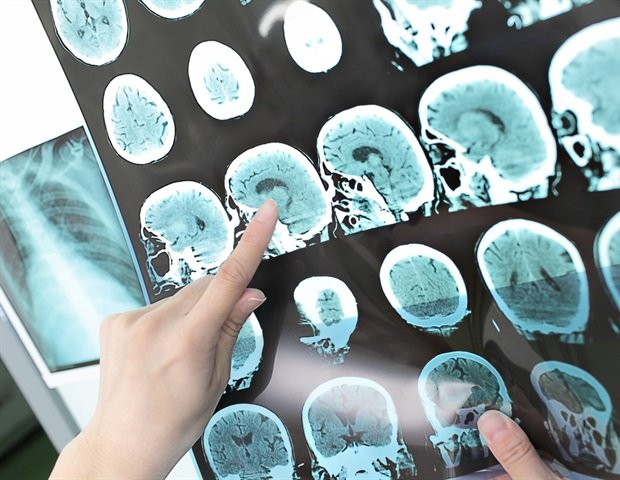
Stroke patients treated intravenously with loberamisal, a new neuroprotective drug, daily for 10 days starting within 48 hours of stroke symptoms had a better recovery than patients given a placebo, according to a preliminary scientific presentation at the American Stroke Association’s International Stroke Conference from Feb. 6 to Feb. 22, 2020. Orleans, is a world premiere meeting for researchers and clinicians dedicated to the science of stroke and brain health.
The study is a Phase III clinical trial, a large-scale study to evaluate the effectiveness of a new treatment. The aim of the study is to test loberamisal, a new generation dual target treatment strategy designed to protect brain cells (neuroprotective factor) within the first 2 days after a stroke.
Neuroprotective agents may help improve patient outcomes as they aim to preserve the function of neurovascular units. However, tests for most of these factors have not been successful. In this trial, we tested loberamisal, a small-molecule, dual-acting neuroprotective agent that was effective neuroprotective in rodent studies. New treatments for stroke may come from multi-targeted neuroprotective agents, which could lead to important advances in reducing or preventing disability after a stroke.”
Shuya Li, MD, study author, director of the Clinical Trials Center and head of the Phase I Clinical Research Unit at Beijing Tiantan Hospital in Beijing
The American Stroke Association’s new 2026 guideline for the early management of patients with acute ischemic stroke notes that neuroprotection has garnered renewed interest. Current knowledge gaps need to be addressed in future research.
In this study the trial participants were patients receiving stroke care at 32 centers in China. 998 adults, aged 18 to 80 years, were treated for 10 days with either a daily, intravenous infusion of 40 mg of loberamisal for 10 days or a matching placebo, starting within 48 hours after a moderate to severe stroke caused by a blocked vessel. All had a confirmed occluded cerebrovascular accident and treatment was initiated within 48 hours of the onset of stroke symptoms. Only about 17% of participants received standard intravenous medication to eliminate clots (for example, alteplase), limiting assessment of the combined effects of both treatments. Patients who received surgical treatment for the occlusion (mechanical thrombectomy) were excluded from the trial.
At 90 days post-treatment, the analysis found:
- 69% of participants treated with loberamisal had excellent functional recovery (little to no disability) compared to about 56% in the placebo group.
- The treatment was considered safe because patients did not appear to have an increased risk of serious side effects or death compared to those in the placebo group.
Limitations of the study include that the trial was only conducted in China, so the results cannot be directly translated to people living in other countries.
“We want to confirm our findings with larger groups of people, including people from different racial and ethnic backgrounds, patients with more severe strokes, and those who also have vascular surgery. We need to better understand how loberamisal works by studying biomarkers in many population groups,” Li said.
Other limitations were that most patients in the study had moderate to severe strokes, which may affect applicability to people who have more severe strokes. No blood or imaging biomarkers were assessed, limiting the applicability of the study’s understanding of how loberamisal affects the body.
Study details, background and design:
- The researchers conducted the multicenter, randomized, double-blind, parallel, placebo-controlled Phase III clinical trial over a 9-month period from July 2024 to April 2025.
- Although 20 participants did not complete the 90-day follow-up assessment, they were still included in the final statistical analysis.
- Randomization to loberamisal or placebo was computer generated. neither the researchers nor the participants knew who was receiving the drug or the placebo.
- All trial participants had National Institutes of Health Stroke Scale (NIHSS) scores between 7 and 20, indicating moderate to severe stroke. (The NIHSS is the standard tool used worldwide to score the severity of strokes.)
- Functional outcomes were measured on the modified Rankin scale (mRS). A score of 0-1 indicates little to no disability. This score was assessed and determined by trained and certified investigators at the 90-day follow-up, which was conducted through face-to-face interviews or standardized telephone questionnaires using a structured assessment form.
- Patients were excluded from the study if they had any history of the following: hemorrhagic strokes; severe impairment of consciousness; transient attacks; blood pressure higher than 220/120 mm Hg with blood pressure therapy; history of a serious mental health condition, dementia, depression or anxiety; severe liver or kidney disease; had undergone vascular surgery. had malignant tumors with a life expectancy of less than 90 days. was she pregnant or nursing? had experienced an allergy to loberamisal. major surgery scheduled within four weeks. or if they had participated in another clinical trial. Participants are limited to enrolling in one clinical trial at a time, which is also a regulatory requirement for industry-sponsored clinical trials in China.
Source:
