

Close Menu
Healthtost
  • News
  • Mental Health
  • Men’s Health
  • Women’s Health
  • Skin Care
  • Sexual Health
  • Pregnancy
  • Nutrition
  • Fitness
  • Recommended Essentials
What's Hot

Why it still makes sense to limit saturated fat

January 17, 2026

The FDA-cleared ADHD device is not effective in reducing symptoms

January 16, 2026

Escape Gym Groundhog Day: Why your workout takes seasons

January 16, 2026
Facebook X (Twitter) Instagram
  • About Us
  • Contact Us
  • Privacy Policy
  • Terms and Conditions
  • Disclaimer
Facebook X (Twitter) Instagram
Healthtost
SUBSCRIBE
  • News

    The FDA-cleared ADHD device is not effective in reducing symptoms

    January 16, 2026

    Incretin-based diabetes drugs show possible protective effects against dementia

    January 16, 2026

    Does night work increase the risk of osteoporosis?

    January 15, 2026

    Scientists uncover promising therapeutic target for autoimmune disease that affects the brain

    January 15, 2026

    Long-term singles experience a sharper decline in life satisfaction and well-being

    January 14, 2026
  • Mental Health

    How to apply for a fully funded PhD in the UK

    January 8, 2026

    9 Secrets on How to Stop Procrastinating

    January 6, 2026

    Setting boundaries for self-care in 2026

    January 4, 2026

    In a world of digital money, what is the proper etiquette for splitting the bill with friends?

    January 1, 2026

    Rest is essential during the holidays, but it can mean getting active, not crashing on the couch

    December 26, 2025
  • Men’s Health

    Why it still makes sense to limit saturated fat

    January 17, 2026

    Escape Gym Groundhog Day: Why your workout takes seasons

    January 16, 2026

    What is Blue Collar Guilt?

    January 14, 2026

    Glucose stability in diabetes is enhanced by natural daylight

    January 10, 2026

    I reconcile my father’s anger and mine: some hills don’t deserve to die

    January 10, 2026
  • Women’s Health

    What really works? – Vuvatech

    January 16, 2026

    What is mental wellness and how does it differ from mental health?

    January 14, 2026

    Beyond weight loss: How GLP-1 ‘miracle drugs’ are revolutionizing whole-body health

    January 14, 2026

    8 Simple Food Swaps to Improve Your Health

    January 13, 2026

    Ways Omega-3s Benefit Women Specifically

    January 13, 2026
  • Skin Care

    An OUMERE Scientific and Regul – OUMERE

    January 16, 2026

    Collagen Induction Treatments in Rittenhouse Square

    January 15, 2026

    🥜⚠️ Why nut allergies are on the rise—and what it means for its future

    January 14, 2026

    Postnatal massage: Benefits, timing and what to book

    January 13, 2026

    Prepare your lips for the cold with TNW Lip Balm – The Natural Wash

    January 12, 2026
  • Sexual Health

    Your ultimate guide to climax and orgasm control

    January 16, 2026

    Stillbirths may be more common in US than previously known—Study

    January 14, 2026

    COVID-19 heightens vulnerabilities for women asylum seekers and refugee women in South Africa < SRHM

    January 14, 2026

    What does an unclear test result mean?

    January 13, 2026

    Relationship diversity, conflict, and why it matters for sex counselor certification — Sexual Health Alliance

    January 12, 2026
  • Pregnancy

    Weighing in: How GLP-1s fit into your pregnancy plans

    January 15, 2026

    5 foods, 4 habits, 3 reminders

    January 14, 2026

    I’m pregnant… Now what? 13 Things You Should Do Right Now

    January 14, 2026

    Which vitamins and minerals are important to consume during pregnancy?

    January 12, 2026

    Supporting emotional development in our children and ourselves – Podcast Ep 194

    January 11, 2026
  • Nutrition

    Sliced ​​meatballs | The Nutritionist Reviews

    January 16, 2026

    5-ingredient skillet dinner recipe

    January 15, 2026

    Family sheet-Gnocchi pan with vegetables and chicken sausage (30 minutes!)

    January 15, 2026

    3 Easy, Nutritious Salads – JSHealth

    January 13, 2026

    What to Eat During Weeks 2-4 on GLP-1: Simple Protein Plan | glp-1, weight loss, medical weight loss and more

    January 13, 2026
  • Fitness

    Not sure your multivitamin is working? 3 ways the signal could be missing

    January 16, 2026

    Barbell RDL: Proper Form & Benefits

    January 15, 2026

    Lazy high protein dinners that I make when I don’t feel like cooking

    January 15, 2026

    Behavioral health 101: What it means and why it matters

    January 14, 2026

    Snack smarter this New Year: 5 healthy low-calorie options

    January 13, 2026
  • Recommended Essentials
Healthtost
Home»Men's Health»Bright nights increase risk of stroke and heart failure in adults over 40, study finds
Men's Health

Bright nights increase risk of stroke and heart failure in adults over 40, study finds

healthtostBy healthtostOctober 27, 2025No Comments5 Mins Read
Facebook Twitter Pinterest LinkedIn Tumblr Reddit WhatsApp Email
Bright Nights Increase Risk Of Stroke And Heart Failure In
Share
Facebook Twitter LinkedIn Pinterest WhatsApp Email

Researchers found that people exposed to brighter light at night face up to a 50% higher risk of heart disease, while daylight may protect the heart by promoting healthy circadian rhythms.

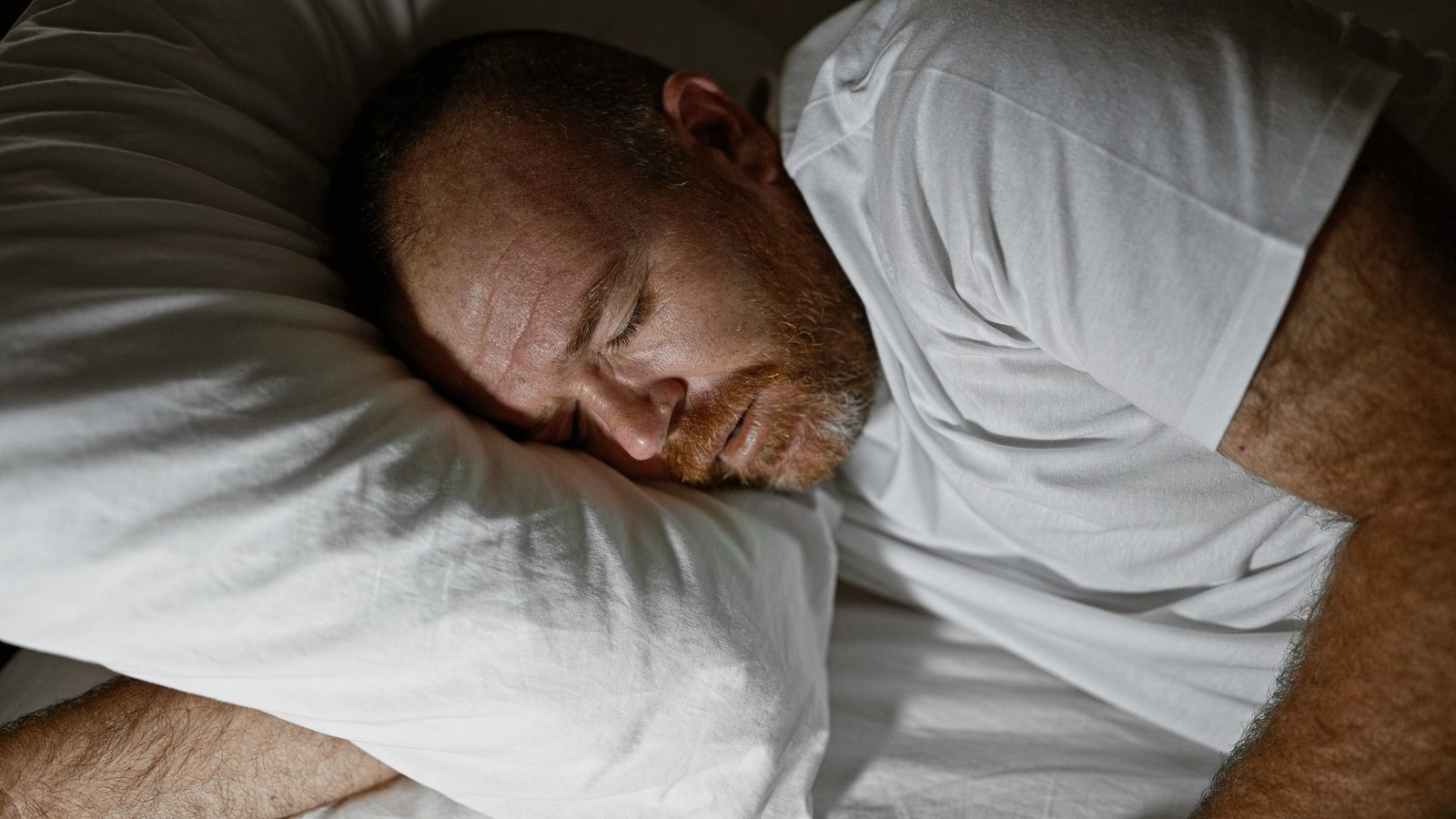
Study: Exposure to light at night and incidence of cardiovascular disease. Image credit: Krakenimages.com / Shutterstock

In a recent study published in JAMA Network Openresearchers investigated whether exposure to light at night is associated with a higher risk of heart disease, particularly for people of a certain age, sex, or genetic make-up.

Their findings suggest that people over 40 who are exposed to bright light at night face higher risks of heart disease, including stroke and heart failure. Associations were greater in women for heart failure and coronary artery disease and in younger participants for heart failure and atrial fibrillation, without clear modification for myocardial infarction or stroke.

Background

Healthy cardiovascular function relies on well-regulated circadian rhythms, which in turn affect vascular function, glucose tolerance, hormone levels, blood pressure, and heart rate. Disrupting these rhythms, through exposure to light or irregular sleep patterns, can increase blood pressure and heart rate, increase inflammation, and decrease heart rate variability.

Animal studies show that prolonged circadian disruption can cause structural changes in the heart, such as hypertrophy and fibrosis. It worsens heart failure. Epidemiological evidence also links shift work, which disrupts these rhythms, to greater cardiovascular mortality, coronary heart disease, and heart failure.

Exposure to light at night is a major source of circadian disruption and has been linked to higher rates of coronary heart disease and stroke, as well as conditions such as obesity, diabetes and hypertension, which are known cardiovascular risk factors. However, previous studies often relied on satellite measurements of outdoor illumination or small cohorts rather than personal light exposure data.

Using wrist-worn light sensors from around 89,000 United Kingdom Biobanking participants, earlier research found that brighter nights were associated with higher cardiometabolic mortality and type 2 diabetes. Based on this, the present study examined whether individual exposure to daylight and nighttime light predicts cardiovascular disease events over 9.5 years of follow-up.

About the Study

This large-scale cohort study used data from United Kingdom Biobank participants wearing wrist-worn light sensors for one week between 2013 and 2016. Participants’ light exposure was continuously recorded, processed to remove invalid data, and averaged over 24-hour profiles.

Factor analysis identified two main exposure periods: daytime (7:30 AM–8:30 PM) and night (12:30 AM–6:00 AM). Participants were categorized into percentiles of light exposure, with the 0–50th percentile representing the darkest nights.

Cardiovascular outcomes, including stroke, atrial fibrillation, heart failure, myocardial infarction and coronary artery disease, were identified using hospital, primary care and death registry records. People with pre-existing cardiovascular disease (CVD) were excluded.

Cox proportional hazards models assessed the relationship between light exposure and disease risk, sequentially adjusting for demographic factors (ethnicity, age and sex), socioeconomic variables (deprivation, education and income) and lifestyle factors (urban area, diet, alcohol, smoking and physical activity). Additional models were tested for potential interactions with genetic risk scores, age, and sex.

Key findings

The researchers analyzed data from 88,905 United Kingdom Biobank participants, with a mean age of 62.4 years and 57% female, with a mean follow-up of 7.9 years. Participants were free of cardiovascular disease at baseline.

Nocturnal light exposure showed a clear, dose-dependent association with higher risk of heart disease, while daytime light exposure was associated with lower risks in minimally and socioeconomically adjusted models, but these associations were not significant after full adjustment for lifestyle. When physical activity was excluded from the full model, inverse associations for heart failure and stroke re-emerged.

Compared with those in the darkest nighttime environment, participants with the brightest nighttime exposure had a significantly higher risk of coronary heart disease, myocardial infarction, heart failure, atrial fibrillation, and stroke after adjusting for lifestyle, demographic, and socioeconomic factors.

Conversely, a one standard deviation increase in nighttime light exposure increased the risk of all five cardiovascular outcomes by approximately 5–8%. Associations were consistent across models and remained strong after adjustments. Gender and age showed selective modifying effects, with larger associations in women for heart failure and coronary artery disease and in younger subjects for heart failure and atrial fibrillation, with no clear modification for myocardial infarction or stroke. The associations also remained after accounting for polygenic risk, suggesting that gene-environment association is unlikely to explain the results.

conclusions

This large prospective study shows strong associations of higher nighttime light exposure with increased cardiovascular risk, although causality cannot be inferred. Mechanisms underlying this association could include circadian disruption and sleep disruption, leading to vascular and metabolic stress. Reduced melatonin secretion was not directly examined in this study.

Conversely, greater exposure to light during the day may support cardiovascular health by enhancing circadian rhythms.

Key strengths of this analysis include a large sample size, objective light measurements, and a long follow-up period. However, limitations include potential residual confounding, limited ethnic diversity (mainly White participants), lack of information about light sources, and inability to infer causality. Sleep duration and efficiency were objectively measured and included in sensitivity analyses. Short sleep partially attenuated some associations. Source information was not available, limiting the ability to adjust for behaviors related to light exposure.

Taken together, these findings highlight artificial night-time lighting as a potentially modifiable environmental risk factor for cardiovascular disease, underscoring the importance of preserving dark nights and adequate daylight exposure in urban health strategies.

Journal Reference:

  • Windred, DP, Burns, AC, Rutter, MK, Lane, JM, Saxena, R., Scheer, FAJL, Cain, SW, Phillips, AJK (2025). Exposure to light at night and incidence of cardiovascular disease. JAMA Network Open 8(10): e2539031. DOI: 10.1001/jamanetworkopen.2025.39031.
adults Bright failure finds heart increase Nights risk stroke study
bhanuprakash.cg
healthtost
  • Website

Related Posts

Why it still makes sense to limit saturated fat

January 17, 2026

Escape Gym Groundhog Day: Why your workout takes seasons

January 16, 2026

Does night work increase the risk of osteoporosis?

January 15, 2026

Leave A Reply Cancel Reply

Don't Miss
Men's Health

Why it still makes sense to limit saturated fat

By healthtostJanuary 17, 20260

With Joshua Cohen Aafter repeated delays, United States Department of Health and Human Services…

The FDA-cleared ADHD device is not effective in reducing symptoms

January 16, 2026

Escape Gym Groundhog Day: Why your workout takes seasons

January 16, 2026

Your ultimate guide to climax and orgasm control

January 16, 2026
Stay In Touch
  • Facebook
  • Twitter
  • Pinterest
  • Instagram
  • YouTube
  • Vimeo
TAGS
Baby benefits body brain cancer care Day Diet disease exercise finds Fitness food Guide health healthy heart Improve Life Loss Men mental Natural Nutrition Patients People Pregnancy protein research reveals risk routine sex sexual Skin study Therapy Tips Top Training Treatment ways weight women Workout
About Us
About Us

Welcome to HealthTost, your trusted source for breaking health news, expert insights, and wellness inspiration. At HealthTost, we are committed to delivering accurate, timely, and empowering information to help you make informed decisions about your health and well-being.

Latest Articles

Why it still makes sense to limit saturated fat

January 17, 2026

The FDA-cleared ADHD device is not effective in reducing symptoms

January 16, 2026

Escape Gym Groundhog Day: Why your workout takes seasons

January 16, 2026
New Comments
    Facebook X (Twitter) Instagram Pinterest
    • About Us
    • Contact Us
    • Privacy Policy
    • Terms and Conditions
    • Disclaimer
    © 2026 HealthTost. All Rights Reserved.

    Type above and press Enter to search. Press Esc to cancel.