

Close Menu
Healthtost
  • News
  • Mental Health
  • Men’s Health
  • Women’s Health
  • Skin Care
  • Sexual Health
  • Pregnancy
  • Nutrition
  • Fitness
  • Recommended Essentials
What's Hot

When should you see a physical therapist? 7 Signs You Shouldn’t Ignore

January 17, 2026

PSA-based tool improves decision-making for prostate cancer screening and treatment

January 17, 2026

Why it still makes sense to limit saturated fat

January 17, 2026
Facebook X (Twitter) Instagram
  • About Us
  • Contact Us
  • Privacy Policy
  • Terms and Conditions
  • Disclaimer
Facebook X (Twitter) Instagram
Healthtost
SUBSCRIBE
  • News

    PSA-based tool improves decision-making for prostate cancer screening and treatment

    January 17, 2026

    The FDA-cleared ADHD device is not effective in reducing symptoms

    January 16, 2026

    Incretin-based diabetes drugs show possible protective effects against dementia

    January 16, 2026

    Does night work increase the risk of osteoporosis?

    January 15, 2026

    Scientists uncover promising therapeutic target for autoimmune disease that affects the brain

    January 15, 2026
  • Mental Health

    How to apply for a fully funded PhD in the UK

    January 8, 2026

    9 Secrets on How to Stop Procrastinating

    January 6, 2026

    Setting boundaries for self-care in 2026

    January 4, 2026

    In a world of digital money, what is the proper etiquette for splitting the bill with friends?

    January 1, 2026

    Rest is essential during the holidays, but it can mean getting active, not crashing on the couch

    December 26, 2025
  • Men’s Health

    Why it still makes sense to limit saturated fat

    January 17, 2026

    Escape Gym Groundhog Day: Why your workout takes seasons

    January 16, 2026

    What is Blue Collar Guilt?

    January 14, 2026

    Glucose stability in diabetes is enhanced by natural daylight

    January 10, 2026

    I reconcile my father’s anger and mine: some hills don’t deserve to die

    January 10, 2026
  • Women’s Health

    What really works? – Vuvatech

    January 16, 2026

    What is mental wellness and how does it differ from mental health?

    January 14, 2026

    Beyond weight loss: How GLP-1 ‘miracle drugs’ are revolutionizing whole-body health

    January 14, 2026

    8 Simple Food Swaps to Improve Your Health

    January 13, 2026

    Ways Omega-3s Benefit Women Specifically

    January 13, 2026
  • Skin Care

    An OUMERE Scientific and Regul – OUMERE

    January 16, 2026

    Collagen Induction Treatments in Rittenhouse Square

    January 15, 2026

    🥜⚠️ Why nut allergies are on the rise—and what it means for its future

    January 14, 2026

    Postnatal massage: Benefits, timing and what to book

    January 13, 2026

    Prepare your lips for the cold with TNW Lip Balm – The Natural Wash

    January 12, 2026
  • Sexual Health

    Your ultimate guide to climax and orgasm control

    January 16, 2026

    Stillbirths may be more common in US than previously known—Study

    January 14, 2026

    COVID-19 heightens vulnerabilities for women asylum seekers and refugee women in South Africa < SRHM

    January 14, 2026

    What does an unclear test result mean?

    January 13, 2026

    Relationship diversity, conflict, and why it matters for sex counselor certification — Sexual Health Alliance

    January 12, 2026
  • Pregnancy

    Weighing in: How GLP-1s fit into your pregnancy plans

    January 15, 2026

    5 foods, 4 habits, 3 reminders

    January 14, 2026

    I’m pregnant… Now what? 13 Things You Should Do Right Now

    January 14, 2026

    Which vitamins and minerals are important to consume during pregnancy?

    January 12, 2026

    Supporting emotional development in our children and ourselves – Podcast Ep 194

    January 11, 2026
  • Nutrition

    When should you see a physical therapist? 7 Signs You Shouldn’t Ignore

    January 17, 2026

    Sliced ​​meatballs | The Nutritionist Reviews

    January 16, 2026

    5-ingredient skillet dinner recipe

    January 15, 2026

    Family sheet-Gnocchi pan with vegetables and chicken sausage (30 minutes!)

    January 15, 2026

    3 Easy, Nutritious Salads – JSHealth

    January 13, 2026
  • Fitness

    Not sure your multivitamin is working? 3 ways the signal could be missing

    January 16, 2026

    Barbell RDL: Proper Form & Benefits

    January 15, 2026

    Lazy high protein dinners that I make when I don’t feel like cooking

    January 15, 2026

    Behavioral health 101: What it means and why it matters

    January 14, 2026

    Snack smarter this New Year: 5 healthy low-calorie options

    January 13, 2026
  • Recommended Essentials
Healthtost
Home»News»Unlock the secrets of oral bacteria to combat teeth decomposition
News

Unlock the secrets of oral bacteria to combat teeth decomposition

healthtostBy healthtostSeptember 5, 2025No Comments6 Mins Read
Facebook Twitter Pinterest LinkedIn Tumblr Reddit WhatsApp Email
Unlock The Secrets Of Oral Bacteria To Combat Teeth Decomposition
Share
Facebook Twitter LinkedIn Pinterest WhatsApp Email

If Wenjun Zhang has its way to her way, no one should ever brush or come back.

Zhang, a professor of chemical and biomolecular engineering of Berkeley, tries to distinguish healthy bacteria in our mouths from unhealthy bacteria – those that cause cavities – so that it can enhance the percentage of the former and promote a probiotic oral microbicides.

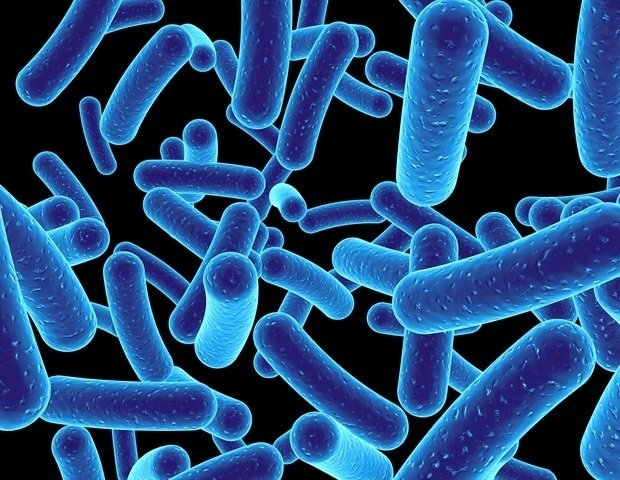
Our mouth microbialicide consists of hundreds of different types of bacteria, many of which form a community that sticks to the teeth to form plaque. Previous studies have focused on which of these species are associated with cavities, producing acid that eats away in the tooth enamel. But researchers have found that each species are not even good or bad – individual species can have hundreds of different varieties, called strains, which differ in the properties that promote the cavity.

Instead of focusing on species or strains, Zhang and its group scan DNA sequences of all bacteria in the mouth – the metagonide – looking for bacterial clusters associated with cavities.

In a document published on August 19th in the magazine Proceedings of the National Academy of SciencesShe and her colleagues mentioned the discovery of such a gene complex that produces two molecules that together help the bacteria of the mouth – well and bad – to stick together and form a strong biofilm in the teeth.

Found this gene complex in some but not all the executives of many known bad actors in the mouth, including Streptococcus Mutans – The main villain in tooth decay. Zhang sees the opportunity to stick this gene complex to good bacteria to help them attach better to the teeth and push the bacteria that produce acids that pave the way for the cavities.

Specific strains belonging to the same species may be pathogenic or ordinary or even probiotic. After better understanding the activity of these molecules and how they can promote the strong biofilm formation, we can introduce them to good bacteria so that good bacteria can now form strong biofilm and overcome all the bad. “


Wenjun Zhang, Professor of Chemical and Biomological Engineering, UC Berkeley

The project was supported by the National Institute of Dental & Craniophilic Research of the National Institutes of Health (R01DE032732).

“Specialized” metabolism

The gene complex was discovered by searching through an online database of a large number of metagonal sequences of the microbial communities in the mouths of human volunteers. Berkeley McKenna Yao’s postgraduate student conducted a statistical analysis to identify clusters related to oral disease and then cultivated the bacteria to analyze and recognize the metabolites produced by these clusters.

Metabolites are small molecules consisting of small strands of amino acids – peptides – and fatty acids or lipids. A molecule works like glue, helping cells to accumulate together in spots, while others act more like string, letting them form chains. Together they give the bacteria the ability to make communities – the sticky substance in your teeth – instead of floating on their own.

The new gene complex contains about 15 DNA segments encoding proteins, amplifiers and transcription factors that act as autonomous metabolic cartridge – an alternative metabolic pathway that is not necessary for the survival of bacteria, but that Zhang has found, such as the significant effects on the environment. These gene groups are sometimes referred to as secondary metabolism of the germ, but Zhang prefers the term “specialized” because it can produce interesting molecules. Specialized metabolic networks in soil bacteria have proven to be a fertile source of antibiotics.

“These specialized metabolites enhance survival in some ways,” said Yao, one of Berkeley’s three postgraduate students who contributed to the project and are the first authors of the document. “Many, for example, are antibiotics so that they can kill other errors or others are involved in acquiring metals – they help bacteria monopolize resources in their environmental position.

However, the role of specialized metabolic networks and secondary metabolites in human microbicide remained largely unjustified, Zhang said. Two years ago, her colleagues found a gene complex in mouth bacteria that produces a previously unknown antibiotic. They found another gene complex that produced a different set of molecules that help create biofilm.

The newly formed gene complex is another demonstration of the importance of secondary metabolites of the germ in human health, either in the mouth, in the intestine, in the skin or in any organ. Understanding these sticky metabolites in the mouth, called Mutanoclumpins, could help reduce cavities.

“We are looking for something that is associated with the cavities, with illness, if one day we can prove that, under certain conditions, this is really a bad molecule you want to prevent, we could develop genetic or chemical inhibitors to inhibit their production, so we hope that “In the meantime, we also look at other health -related molecules, allowing a simple strategy to directly design germs to make more of them.”

A kind of bacteria that could use push is Streptococcus Salivariuswhich seems to promote oral health and today is commercially available as an oral probiotic. Unfortunately, even if proven probiotic, it does not form a powerful biofilm that sticks to the teeth and quickly dissolves. Zhang suggests the addition of strong biofilm formation molecules to S. Salivario To see if bacteria can work better as probiotics.

“Our future job will be to create a wide map of the collection of these specialized metabolites to collectively look at what this dynamic, complex community in your teeth is doing,” Zhang said.

Yao, however, noted that “the best way you can remove biofilm in your teeth is to brush. We believe there is really a better way to disturb this biofilm, but we begin to understand what the complexity in the mouth is.”

Nicholas Zill and Colin Charles Barber are first co-authors with Yao. Other co-authors are Yongle Du, Rui Zhai, Eunice Yoon and Dunya Al Marzooqi of Berkeley’s Department of Chemicals and Bi-Companions and Peijun Lin, a visiting student at the College of Computing, Science Science and Society.

Source:

University of California – Berkeley

Magazine report:

Yao, ml, et al. (2025). Symphony of specialized metabolites from divergent biosynthesis in human oral microbicide. Proceedings of the National Academy of Sciences. Doi.org/10.1073/pnas.2504492122

bacteria combat decomposition Oral secrets Teeth Unlock
bhanuprakash.cg
healthtost
  • Website

Related Posts

PSA-based tool improves decision-making for prostate cancer screening and treatment

January 17, 2026

The FDA-cleared ADHD device is not effective in reducing symptoms

January 16, 2026

Incretin-based diabetes drugs show possible protective effects against dementia

January 16, 2026

Leave A Reply Cancel Reply

Don't Miss
Nutrition

When should you see a physical therapist? 7 Signs You Shouldn’t Ignore

By healthtostJanuary 17, 20260

1. Persistent PainPain is your body’s way of telling you that something is wrong. While…

PSA-based tool improves decision-making for prostate cancer screening and treatment

January 17, 2026

Why it still makes sense to limit saturated fat

January 17, 2026

The FDA-cleared ADHD device is not effective in reducing symptoms

January 16, 2026
Stay In Touch
  • Facebook
  • Twitter
  • Pinterest
  • Instagram
  • YouTube
  • Vimeo
TAGS
Baby benefits body brain cancer care Day Diet disease exercise finds Fitness food Guide health healthy heart Improve Life Loss Men mental Natural Nutrition Patients People Pregnancy protein research reveals risk routine sex sexual Skin study Therapy Tips Top Training Treatment ways weight women Workout
About Us
About Us

Welcome to HealthTost, your trusted source for breaking health news, expert insights, and wellness inspiration. At HealthTost, we are committed to delivering accurate, timely, and empowering information to help you make informed decisions about your health and well-being.

Latest Articles

When should you see a physical therapist? 7 Signs You Shouldn’t Ignore

January 17, 2026

PSA-based tool improves decision-making for prostate cancer screening and treatment

January 17, 2026

Why it still makes sense to limit saturated fat

January 17, 2026
New Comments
    Facebook X (Twitter) Instagram Pinterest
    • About Us
    • Contact Us
    • Privacy Policy
    • Terms and Conditions
    • Disclaimer
    © 2026 HealthTost. All Rights Reserved.

    Type above and press Enter to search. Press Esc to cancel.