

Close Menu
Healthtost
  • News
  • Mental Health
  • Men’s Health
  • Women’s Health
  • Skin Care
  • Sexual Health
  • Pregnancy
  • Nutrition
  • Fitness
  • Recommended Essentials
What's Hot

The best supplements for fatty liver disease

May 9, 2026

NIH funding terminations disproportionately affect marginalized health justice researchers

May 9, 2026

Eat Your Way to a Stronger Heart: The Essential Guide to Healthy Eating

May 9, 2026
Facebook X (Twitter) Instagram
  • About Us
  • Contact Us
  • Privacy Policy
  • Terms and Conditions
  • Disclaimer
Facebook X (Twitter) Instagram
Healthtost
SUBSCRIBE
  • News

    NIH funding terminations disproportionately affect marginalized health justice researchers

    May 9, 2026

    Short bouts of exercise help smokers manage the immediate craving for nicotine

    May 8, 2026

    India’s first large-scale search for biomarkers of aging

    May 8, 2026

    Non-hormonal treatments for vasomotor symptoms

    May 7, 2026

    Targeted RAS inhibitor shows promise against pancreatic cancer mutations

    May 7, 2026
  • Mental Health

    Every mental health journey starts with being seen

    May 2, 2026

    What animal studies teach us about toxic work environments

    April 27, 2026

    I hate hope: How to manage hope when you have treatment-resistant bipolar disorder

    April 19, 2026

    Rose Byrne is raw, magnetic and unfiltered as a woman in crisis

    April 18, 2026

    Can a single mother change her child’s surname in India?

    April 16, 2026
  • Men’s Health

    35 Minute High Rep Bodyweight Full Body Workout Challenge

    May 7, 2026

    Study reveals neglected crisis of paternal deaths after childbirth

    May 5, 2026

    Aging in place takes more than good intentions — It takes smart infrastructure

    May 5, 2026

    Dr. William O. Brant on male sexual health and the risks and benefits of supplements

    May 4, 2026

    3 Day Home Workout Plan: Build Muscle and Burn Fat

    April 30, 2026
  • Women’s Health

    Eat Your Way to a Stronger Heart: The Essential Guide to Healthy Eating

    May 9, 2026

    Carrying the Load: What Mental Health Looks Like for Black Women Leaders

    May 8, 2026

    Your sex life after menopause

    May 8, 2026

    How to insert a tampon: Step by step guide

    May 7, 2026

    Eat the Vitamins, Kids: A Guide to Kids Vitamins | The Wellness Blog

    May 6, 2026
  • Skin Care

    Skin Spa NYC: What to book for radiance, pore cleansing and lifting

    May 7, 2026

    What is Skinification? A simple guide to this beauty trend

    May 6, 2026

    How I Did It: Fading Hormonal Hyperpigmentation Without Lasers

    May 3, 2026

    The truth about waterless care: What your skin really needs

    May 2, 2026

    What happens to your skin while you sleep? (the science of “Beauty Sle

    May 1, 2026
  • Sexual Health

    how do you tell them apart?

    May 7, 2026

    What is Sexology? Complete guide to the field — Sexual Health Alliance

    May 6, 2026

    5 Ways to Improve Heart Health for Men

    May 5, 2026

    Early signs of Peyronie’s disease and when to seek help

    May 3, 2026

    Boost erectile health and confidence

    May 1, 2026
  • Pregnancy

    What to eat & avoid

    May 9, 2026

    Transforming birth through informed, empowered support

    May 6, 2026

    4 Key Steps to Reconnecting with Your Core

    May 5, 2026

    Why is anemia during pregnancy high in Indian women?

    May 2, 2026

    5 things you need for the third trimester

    May 1, 2026
  • Nutrition

    The best supplements for fatty liver disease

    May 9, 2026

    Low energy after 35? Because your sleep and blood sugar feel low

    May 8, 2026

    How living with joy becomes a powerful act of rebellion

    May 5, 2026

    Can magnesium help you lose weight?

    May 4, 2026

    9 Easy Chia Pudding Recipes (+ The Perfect Pudding Ratio) • Kath Eats

    May 4, 2026
  • Fitness

    The best menopause workout for women over 40

    May 8, 2026

    Dealing with customer misconceptions with Ask-Offer-Ask

    May 7, 2026

    A must-have pre-wedding diet plan for every bride-to-be

    May 7, 2026

    Kemari Copeland’s Explains His Strategy for Squatting 605 Pounds for 10 Reps

    May 6, 2026

    The most underrated skill I wish everyone learned

    May 3, 2026
  • Recommended Essentials
Healthtost
Home»News»How a man defied his genetic fate for nearly two decades
News

How a man defied his genetic fate for nearly two decades

healthtostBy healthtostFebruary 12, 2025No Comments6 Mins Read
Facebook Twitter Pinterest LinkedIn Tumblr Reddit WhatsApp Email
How A Man Defied His Genetic Fate For Nearly Two
Share
Facebook Twitter LinkedIn Pinterest WhatsApp Email

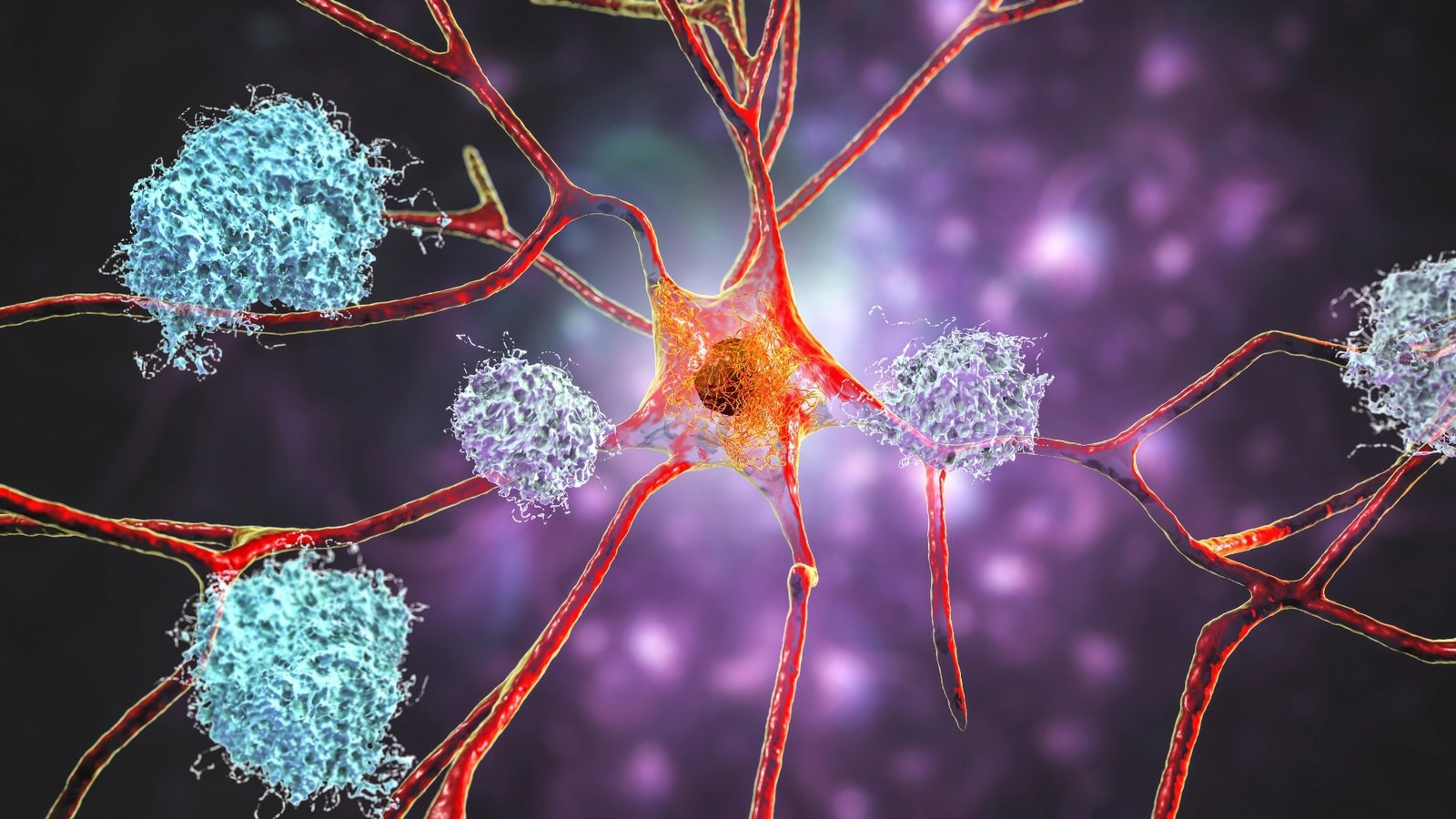
Scientists have discovered a rare case of Alzheimer’s gene vector, which remained without symptoms for 18 years beyond the expected appearance, revealing potential genetic, environmental and proteinism agents.

Study: Timeless analysis of a dominant hereditary Alzheimer. Credit Picture: Kateryna Kon / Shutterstock

In a recent study in the magazine Natural medicineThe researchers conducted an over time studying multiple homosexuals in a dominant hereditary participant in the Alzheimer’s network (DIAN), who presented excellent resistance to Alzheimer’s disease (AD). Despite the transfer of a dominant Presenilin 2 (Psen2) P.Sn141ile mutation, a well -known genetic relationship with Alzheimer’s disease (AD), the participant did not present advertising symptoms even 18 years beyond the expected appearance of the situation.

To unfold the reasons for this remarkable durability, the study used several genetic and molecular analyzes (whole version and the whole genome) to the participant and their close relatives with high resolution in vivo neuroimaging (LC-MS/MS, Lumipulse G1200 Immuno-Definitions and Proteinous/Metabolic Profile of Endered Liquid. Naval engineer.

Background

Alzheimer’s disease (AD) is a progressive neurological condition resulting from the collapse and degeneration of brain and neuron cell connections. Its main symptoms include reductions in memory and cognitive ability that worsen over time, significantly preventing daily functioning.

Unfortunately, despite decades of research, a treatment for AD has not yet been discovered, with current therapeutic interventions aimed at early detection and delayed development of symptoms. However, this research has identified basic genetic signatures of AD, with several alleles that are now known to contribute to the risk and age of diseases at initiation (AAO).

A suitable example of this is “Alzheimer’s (Diad) inheritance”, a relatively rare subset of patients with AD whose genetic -melagyls in parasilin 1 (PSEN1), Presenilin 2 (PSEN2) or Protion Amyloid (App) – Event of Advertising . These genes play critical roles in the processing of amyloid protein protein (app) and amyloid-B pathology and, along with family history, can predict AAO with high precision.

Dian and the subject of the case study

The dominant hereditary network Alzheimer’s (Dian) is a large group, a multinational, timeless study aimed at creating a world register of Diad patients and their family members. Since its founding in 2008, Dian has recruited more than 530 participants, all except three of whom have developed Diad in or around the planned AAOS.

The whole-existence sequence of the two previously discovered deviations revealed homozygous genetic mutations (Apoe3-christchurch (P.ARG136SER) and RELN-COLBOS (P.HIS3447ARG)) that offered strong protection from the start and led to their name as ” “The third Outlier is the subject of this study, which remains free from Diad, despite being between 15 and 22 years older than the foreseen AAO. Unlike previous stocks, this person lacks these known protective mutations, making their durability even more remarkable.

“The P.Asn141ile variant has an average symptomatic AAO of 53.7 years (range 39-58) and its origin can be detected in people who initially live in two small neighboring German villages of Volga.”

For the study

The present study utilizes the longitudinal data of clinical, genetics, neuroimaging and biomarkers by the DIAN study to explore potential protective mechanisms that prevent DIAD from a participant with a strong genetic predisposition and a family history of the situation.

The study data included detailed neurological and neurological evaluations for a ten -year period, without revealing signs of cognitive impairment. The participant has steadily scored 30 in the mini-conventional examination (MMSE) and 0 on the clinical dementia scale (CDR), indicating full cognitive function.

Genetic and molecular data included a whole-external sequence and sequence of the entire genome of the participant and the close members of the family (n = 4 and 14, respectively).

High resolution (MRI) magnetic coordination scans for the detection of atrophic processes, microcosms, amyloid burden or small vessel disease markers were conducted. Participant’s positron emission tomography (PET) revealed an unusual finding: TAU pathology was confined to the left area of ​​the occipital area without proven spreading in other areas of the brain, a standard not usually observed in DIAD patients.

Finally, cerebrospinal fluid tests (CSF) showed a high amyloid load comparable to other DIAN participants with DIAD mutations, suggesting that amyloid accumulation does not determine the progress of the disease.

Study findings

Immunological tests confirmed that the participant had high amyloid deposition similar to coincidental Diad mutation carriers. However, unlike other cases, the TAU pathology remained confined to the occipital lobe, without the widespread spreading that is usually associated with the cognitive decrease in AD.

In addition, the participant did not develop significant spatial or visual lesions despite the TAU loads equal or exceed those found in the posterior cortical atrophy. Interestingly, this TAU deposition standard was also observed in the two previously mentioned APOE3-Christchurch and Reln-Colbos, indicating a possible mechanism of common durability.

The study also identified several genetic variations that may contribute to durability, including regulation of the GPCPD1 enzyme (involved in choline metabolism), a variant in the CD33 gene (previously linked to the form of AD risk) and the modifications to the AD) and modifications MAPT, which can affect tau pathology.

In addition, protein -like analysis has revealed a hyperpopsy of protein thermal shock, which play key roles in protein folding and cell stress responses. These findings indicate a possible relationship between the chronic exposure to heat in the profession of participant and improved molecular resistance mechanisms.

Conclusions

The present study included an in -depth analysis of genetic, clinics, neuroimaging and proteinmatic factors in an “extraordinary carrier of resilience” that remains without diameters despite being ~ 18 years beyond the expected AAO.

While the study has identified several promising genetic and protein indicators, it does not detect a single protective agent responsible for the resilience of the participant.

“This research could have a widespread impact on the development of treatments aimed at alleviating TAU pathology on the wider advertising population. Understanding mechanisms that limit the spread of TAU to this person could provide critical knowledge to potential therapeutic goals To prevent or slow down the evolution of the ad.

Magazine report:

  • Llibre-Guerra, JJ, Fernandez, MV, Joseph-Mathurin, N. et al. The timeless analysis of a dominant hereditary transformation carrier of Alzheimer’s disease is protected by dementia. NAT MED (2025), DOI-10.1038/S41591-025-03494-0,
Decades defied fate genetic man
bhanuprakash.cg
healthtost
  • Website

Related Posts

NIH funding terminations disproportionately affect marginalized health justice researchers

May 9, 2026

Short bouts of exercise help smokers manage the immediate craving for nicotine

May 8, 2026

India’s first large-scale search for biomarkers of aging

May 8, 2026

Leave A Reply Cancel Reply

Don't Miss
Nutrition

The best supplements for fatty liver disease

By healthtostMay 9, 20260

What are the best supplements for fatty liver disease? That’s the question I’ll try to…

NIH funding terminations disproportionately affect marginalized health justice researchers

May 9, 2026

Eat Your Way to a Stronger Heart: The Essential Guide to Healthy Eating

May 9, 2026

What to eat & avoid

May 9, 2026
Stay In Touch
  • Facebook
  • Twitter
  • Pinterest
  • Instagram
  • YouTube
  • Vimeo
TAGS
Baby benefits body brain cancer care Day Diet disease exercise finds Fitness food Guide health healthy heart Improve Life Loss Men mental Natural Nutrition Patients Pregnancy protein research reveals risk routine sex sexual Skin Skincare study Therapy Tips Top Training Treatment ways weight women Workout
About Us
About Us

Welcome to HealthTost, your trusted source for breaking health news, expert insights, and wellness inspiration. At HealthTost, we are committed to delivering accurate, timely, and empowering information to help you make informed decisions about your health and well-being.

Latest Articles

The best supplements for fatty liver disease

May 9, 2026

NIH funding terminations disproportionately affect marginalized health justice researchers

May 9, 2026

Eat Your Way to a Stronger Heart: The Essential Guide to Healthy Eating

May 9, 2026
New Comments
    Facebook X (Twitter) Instagram Pinterest
    • About Us
    • Contact Us
    • Privacy Policy
    • Terms and Conditions
    • Disclaimer
    © 2026 HealthTost. All Rights Reserved.

    Type above and press Enter to search. Press Esc to cancel.