

Close Menu
Healthtost
  • News
  • Mental Health
  • Men’s Health
  • Women’s Health
  • Skin Care
  • Sexual Health
  • Pregnancy
  • Nutrition
  • Fitness
  • Recommended Essentials
What's Hot

Are bread and sweets toxic?

February 20, 2026

20 Useful Health Hacks That Work in 2026

February 20, 2026

Low oxygen turns red blood cells into powerful glucose sinks

February 20, 2026
Facebook X (Twitter) Instagram
  • About Us
  • Contact Us
  • Privacy Policy
  • Terms and Conditions
  • Disclaimer
Facebook X (Twitter) Instagram
Healthtost
SUBSCRIBE
  • News

    Low oxygen turns red blood cells into powerful glucose sinks

    February 20, 2026

    Vaccination rates against COVID and influenza during pregnancy remain low in Norway

    February 19, 2026

    Study reveals coffee induces distinct cytokine responses compared to pure caffeine

    February 19, 2026

    Polyploidy-induced senescence may affect aging and cancer risk

    February 18, 2026

    Researchers develop new score to predict liver cancer risk

    February 18, 2026
  • Mental Health

    What is medication therapy?

    February 17, 2026

    Why do I have “butterflies in my stomach”?

    February 15, 2026

    Bipolar Disorder: Why It Happens (and How to Snap It Off)

    February 12, 2026

    Exercise may be as effective as drugs for depression and anxiety – new study

    February 11, 2026

    Advancing the Future of Behavioral Health Data Exchange

    February 7, 2026
  • Men’s Health

    Can mobile apps change the way we eat?

    February 18, 2026

    Tiny particles, big impact: Toward less invasive brain stimulation

    February 18, 2026

    How to sauna: All frequently asked questions

    February 17, 2026

    The power of sprint-based exercise

    February 12, 2026

    Why Biohack? Acceptance of our Mortality

    February 11, 2026
  • Women’s Health

    From knee surgery to the ski slopes: How Ann got her life back

    February 19, 2026

    Is trauma therapy right for you? Signs that you may benefit from specialized care

    February 19, 2026

    Make your workouts more functional

    February 18, 2026

    Facts about Lupus and Reproductive Health

    February 17, 2026

    199: Perimenopause, Nervous System Health & How Stress Affects Your Hormones

    February 16, 2026
  • Skin Care

    Scientific Review of “Liquid Mi – OUMERE

    February 19, 2026

    How to protect your hair from chlorine (and help it recover after

    February 18, 2026

    How often should you exfoliate your skin? Health experts’ instructions

    February 18, 2026

    Clear + Brilliant in New York: The facial laser for glow, pores and even T

    February 16, 2026

    Non-toxic beauty products for a safer Valentine’s Day

    February 16, 2026
  • Sexual Health

    Lessons from retail expert Nicole Leinbach Hoffman — Sexual Health Alliance

    February 20, 2026

    ACS publishes new guidelines for cervical cancer screening

    February 17, 2026

    Why I masturbate on Valentine’s Day

    February 14, 2026

    The global Gage rule expanded

    February 14, 2026

    Can cystitis be caused by stress?

    February 13, 2026
  • Pregnancy

    Can cesarean mothers get cord blood? What to know

    February 19, 2026

    Labor & Pregnancy? the untold truths of labor during pregnancy

    February 17, 2026

    Why investing in one step can save your pelvic floor

    February 16, 2026

    Signs of labor every mom-to-be should know

    February 13, 2026

    Because the second trimester is like a deep breath

    February 11, 2026
  • Nutrition

    Are bread and sweets toxic?

    February 20, 2026

    How Athletes Can Save $200 on Groceries: High-Protein Meal Prep on a Budget

    February 19, 2026

    Do you go crazy when you don’t eat perfectly “healthy”? Consider orthorexia

    February 19, 2026

    The microbiome and therapeutic carbohydrate restriction

    February 18, 2026

    What every woman should know

    February 16, 2026
  • Fitness

    20 Useful Health Hacks That Work in 2026

    February 20, 2026

    7 Gentle Yoga Poses in Bed for Adults Over 50

    February 19, 2026

    Three unique ways to improve your functional strength

    February 17, 2026

    How to support clients without medical nutrition therapy

    February 17, 2026

    Over 1 year of actual use

    February 16, 2026
  • Recommended Essentials
Healthtost
Home»Pregnancy»When should you worry?
Pregnancy

When should you worry?

healthtostBy healthtostJanuary 13, 2025No Comments5 Mins Read
Facebook Twitter Pinterest LinkedIn Tumblr Reddit WhatsApp Email
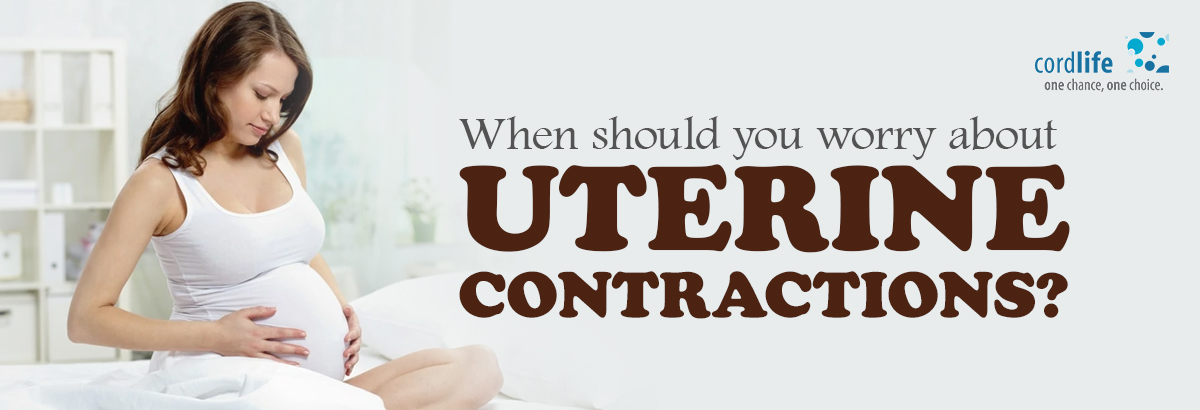
When Should You Worry?
Share
Facebook Twitter LinkedIn Pinterest WhatsApp Email

The uterus, also known as the uterus, is a unique organ shaped like an inverted pear. Located in the pelvic cavity, it sits above the bladder and in front of the rectum. For women who have never given birth (nulliparous women), the average size of the uterus is about 7.5 cm (3 inches) in length, 5 cm (2 inches) in width, and 1.75 cm (1 inch) in thickness . From the time you conceive to the last stage of your pregnancy, the uterus undergoes a whole series of changes. The uterus tends to be larger and its shape can vary greatly from the time the baby is conceived to the last stage of pregnancy. As the days and months go by, you may notice the need to count your baby’s kicks and occasionally feel a squeezing or tightening sensation in your abdomen, which is associated with uterine contractions.

What is uterine contraction?

During a contraction, your uterus hardens, creating a strong, wave-like sensation. After each contraction, it relaxes and softens, showing the body’s preparation for childbirth. Many women describe these contractions as intense period cramps, often starting with abdominal tightness. While some contractions are normal in late pregnancy, it’s important to recognize when to seek medical advice for your own health and peace of mind. All you need to do is understand the sensations during the transition stage.

How is the contraction of the uterus in the early stage of pregnancy?

In the first trimester or the first 3 months of your pregnancy, you start to understand the contractions of the uterus, when you start to feel the growth of the fetus and the ligament of the uterus is stretched. These contractions are painless and last no more than 10 to 20 seconds. If they take longer, it should be about a minute or so. Such waves are considered quite normal during the early stages of pregnancy. If it is accompanied by bleeding, it may become a concern for you and your doctor.

What are uterine contractions like in the second trimester?

The second trimester is from the 13thu until 18u week. Once you enter the second trimester, the morning sickness and fatigue clears the fog.

This stage of pregnancy it’s often the most comfortable, but it also comes with noticeable changes as your uterus and belly expand to accommodate your growing baby.

  • Due to the pressure exerted by the baby, you will feel cramping or pain in your lower abdomen as well as in the nearby muscles and ligaments. Minor cramping may be normal, but feeling sharp stabbings is also not out of the question during this time. The pressure of the uterus also makes your back hurt.
  • You will also feel a tightening of the uterine muscles during this period for a minute or two due to the increasing pressure of the baby on the uterus. This phenomenon is known as Braxton-Hicks contractions. Braxton – Hicks are not real contractions. These are irregular rhythms.

What are uterine contractions like in the third trimester?

The third trimester is the last stage of your pregnancy. The third trimester is between your 38th and 41st week of pregnancy, but it’s very difficult for you or your doctor to know when labor will start.

  • When labor begins, the cervix dilates and the muscles contract at regular intervals. They are close and can make you feel like (more intense) period cramps.
  • Signs of back or pelvic pain, lightheadedness, loss of mucus plug and water breaking come along with uterine contractions. (As soon as the water breaks you must rush to the hospital).
  • “False labor pains” or Braxton Hicks are also common during your third trimester.

What do uterine contractions feel like in early labor?

Although there is a chance that you will give birth between 38 and 41 weeks, the chances of premature birth cannot be denied at or before 37 weeks (between 20 and 37 weeks of pregnancy). Premature labor or preterm labor occurs due to:

  • is pregnant with twins or more
  • history of premature birth
  • chances of a short neck
  • infections
  • are plus-size etc

In this condition, contractions occur frequently (after every 10 minutes). The cervix opens early due to frequent pain in the uterus.

Overall, physical contact, dehydration and overexertion (after completing physical activity) can cause uterine contractions.

What are uterine contractions like after childbirth?

After going through all the stages of pregnancy, your body has done a remarkable job – you have given birth to a new human being.

Whether you have a smooth or complicated birth, vaginal or cesarean, postpartum cramping in the lower abdomen is completely normal.

Postpartum cramps are part of the recovery after your baby is born. After your baby is born, the uterus contracts and takes time to return to its pre-pregnancy size and shape.

While it takes time for the uterus to return to its shape, the blood vessels narrow and prevent the uterus from losing too much blood. Postpartum pains can make you feel uncomfortable in the early days of your labor. Many of you may feel the discomfort for at least 6 to 8 weeks or more.

How to treat uterine contractions naturally?

You don’t need to go to the hospital every time you feel contractions. You can manage contractions at home with these tricks:

  • Take a hot shower
  • Give a back massage
  • Keep your muscles relaxed
  • Go for slow and deep breathing
  • Put ice packs on your lower back
  • Distract your mind with a movie or turn on the music

You may need to consult your health care professional if your water breaks, there is vaginal bleeding, or you are scheduled for a C-section.

The birth of your baby depends on your contractions, even though labor is not the most pleasant part of it. Check with your doctor to learn how to time your contractions before you go to the hospital. After all, you are waiting to hold your little one in your arms.

worry
bhanuprakash.cg
healthtost
  • Website

Related Posts

Can cesarean mothers get cord blood? What to know

February 19, 2026

Labor & Pregnancy? the untold truths of labor during pregnancy

February 17, 2026

Why investing in one step can save your pelvic floor

February 16, 2026

Leave A Reply Cancel Reply

Don't Miss
Nutrition

Are bread and sweets toxic?

By healthtostFebruary 20, 20260

The USDA claimed there is a “war on protein” when it released the new Dietary…

20 Useful Health Hacks That Work in 2026

February 20, 2026

Low oxygen turns red blood cells into powerful glucose sinks

February 20, 2026

Lessons from retail expert Nicole Leinbach Hoffman — Sexual Health Alliance

February 20, 2026
Stay In Touch
  • Facebook
  • Twitter
  • Pinterest
  • Instagram
  • YouTube
  • Vimeo
TAGS
Baby benefits body brain cancer care Day Diet disease exercise finds Fitness food Guide health healthy heart Improve Life Loss Men mental Natural Nutrition Patients People Pregnancy protein research reveals risk routine sex sexual Skin study Therapy Tips Top Training Treatment ways weight women Workout
About Us
About Us

Welcome to HealthTost, your trusted source for breaking health news, expert insights, and wellness inspiration. At HealthTost, we are committed to delivering accurate, timely, and empowering information to help you make informed decisions about your health and well-being.

Latest Articles

Are bread and sweets toxic?

February 20, 2026

20 Useful Health Hacks That Work in 2026

February 20, 2026

Low oxygen turns red blood cells into powerful glucose sinks

February 20, 2026
New Comments
    Facebook X (Twitter) Instagram Pinterest
    • About Us
    • Contact Us
    • Privacy Policy
    • Terms and Conditions
    • Disclaimer
    © 2026 HealthTost. All Rights Reserved.

    Type above and press Enter to search. Press Esc to cancel.