

Close Menu
Healthtost
  • News
  • Mental Health
  • Men’s Health
  • Women’s Health
  • Skin Care
  • Sexual Health
  • Pregnancy
  • Nutrition
  • Fitness
  • Recommended Essentials
What's Hot

Switch off GLP-1 after 12 weeks

March 6, 2026

New report shows primary care readiness for digital cognitive assessment tools

March 6, 2026

Chef Pam Pichaya Soontornyanakij: Cooking Courage in Every Dish

March 6, 2026
Facebook X (Twitter) Instagram
  • About Us
  • Contact Us
  • Privacy Policy
  • Terms and Conditions
  • Disclaimer
Facebook X (Twitter) Instagram
Healthtost
SUBSCRIBE
  • News

    New report shows primary care readiness for digital cognitive assessment tools

    March 6, 2026

    Redefining end-of-life care for better patient outcomes

    March 6, 2026

    Neural circuit mechanisms explain how chronic sleep loss disrupts social memory

    March 5, 2026

    Wearable sensors as a MS monitoring tool

    March 5, 2026

    The study highlights the mental health costs of marine ecosystem damage

    March 4, 2026
  • Mental Health

    Are you stressed about politics? You wouldn’t expect it, and research shows that social media is largely to blame

    March 4, 2026

    Is It Sadness or Depression? Understand it…

    March 1, 2026

    Teen anxiety linked to sugary drinks – new research

    February 28, 2026

    Self-Care Guided Journal For Moms

    February 26, 2026

    Forgiveness isn’t always easy, but studies show it can help you flourish

    February 24, 2026
  • Men’s Health

    EMOM 20 Minute Workout: A Guide to Full Body Strength

    March 5, 2026

    Can brain training prevent dementia? Long-term testing shows that speed training with boosters makes a difference

    March 3, 2026

    How to find the right deodorant for smelly armpits

    March 3, 2026

    The Case for Weightlifting Shoes

    March 2, 2026

    The Secret to Saving Humanity: What We Must Do Now

    March 2, 2026
  • Women’s Health

    Chef Pam Pichaya Soontornyanakij: Cooking Courage in Every Dish

    March 6, 2026

    I have a family history of endometriosis and the doctors still dismissed me

    March 5, 2026

    Oliveda Skincare Faves – The Fitnessista

    March 4, 2026

    How to protect face from Holi colors safely

    March 3, 2026

    Jocelyn Elders: A Legacy Better Than the Title

    March 1, 2026
  • Skin Care

    The best facial treatments that actually work for your skin goals

    March 5, 2026

    Drinking water for skin: The truth about hydration and glow

    March 5, 2026

    How to use Strobe cream for festive glow – the natural wash

    March 4, 2026

    Carefully formulated skin care | Susie Ma & Tropic Skincare

    March 4, 2026

    What is your skin’s pH and why is it important?

    March 3, 2026
  • Sexual Health

    New Gonorrhea Vaccination Results – GoGoVax Trial of 4CMenB Vaccine

    March 5, 2026

    The discussion of the Epstein files is mistaken for pedophilia and power

    March 2, 2026

    Survival strategies and health effects in forced displacement

    March 1, 2026

    How Intense Competition and Intimacy Tuning Are Elevating Modern TV Romance — Alliance for Sexual Health

    February 28, 2026

    New type of Mpox diagnosed in England

    February 25, 2026
  • Pregnancy

    The importance of oral health during pregnancy

    March 6, 2026

    Best Gummy Prenatals With 100% DV Folate Guide – Pink Stork

    March 6, 2026

    Kegels Wrong? The top mistakes pregnant women make

    March 3, 2026

    Endy Mattress Review: An Honest Look After 4 Months

    March 1, 2026

    Does bed rest prevent premature labor? New research says no

    March 1, 2026
  • Nutrition

    Switch off GLP-1 after 12 weeks

    March 6, 2026

    Is The Longevity Movement Heading For A Backlash?

    March 5, 2026

    Oliveda This or That? My honest picks for the best Oliveda skincare + makeup • Kath Eats

    March 4, 2026

    What does personalized nutrition actually offer?

    March 3, 2026

    How to support your hormones, gut health and metabolism the right way

    March 3, 2026
  • Fitness

    Boosting mood and building community through movement

    March 5, 2026

    Chris Bumstead’s laser-focus strategy behind a classic fitness dynasty

    March 4, 2026

    What’s new in March 2026 for the BODi Community of Experience!

    March 3, 2026

    200: Autoimmune Healing, Nervous System Safety, and the Biggest Mistakes I Made on My Health Journey

    March 1, 2026

    10 Powerful Emotional Benefits of Weight Training

    February 28, 2026
  • Recommended Essentials
Healthtost
Home»News»New insights into uncontrolled movements in patients with Parkinson’s disease
News

New insights into uncontrolled movements in patients with Parkinson’s disease

healthtostBy healthtostJanuary 4, 2025No Comments4 Mins Read
Facebook Twitter Pinterest LinkedIn Tumblr Reddit WhatsApp Email
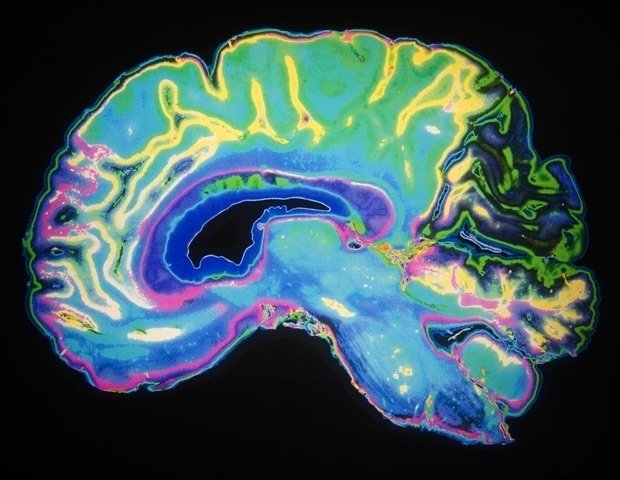
New Insights Into Uncontrolled Movements In Patients With Parkinson's Disease
Share
Facebook Twitter LinkedIn Pinterest WhatsApp Email

University of Arizona researchers have revealed new insights into one of the most common complications faced by Parkinson’s disease patients: the uncontrollable movements that develop after years of treatment.

Parkinson’s disease – a neurological disorder of the brain that affects a person’s movement – ​​develops when the level of dopamine, a chemical in the brain responsible for body movements, begins to decrease. To treat the loss of dopamine, a drug called levodopa is given, which is later converted to dopamine in the brain. However, long-term levodopa treatment causes involuntary and uncontrolled movements known as levodopa-induced dyskinesia.

A study published in the journal Brain has revealed new findings about the nature of levodopa-induced dyskinesia and how ketamine, an anesthetic, can help treat the challenging condition.

Over the years, a Parkinson’s patient’s brain adapts to levodopa treatment, which is why levodopa causes dyskinesia in the long term, said Abhilasha Vishwanath, the study’s lead author and a postdoctoral researcher in the U of A Department of Psychology.

In the new study, the research team found that the motor cortex—the area of ​​the brain responsible for controlling movement—essentially “disconnects” during dyskinetic episodes. This finding challenges the prevailing view that the motor cortex actively generates these uncontrolled movements.

Because of the disconnect between cortical motor activity and these uncontrolled movements, there likely isn’t a direct connection, but rather an indirect way in which these movements are generated, Vishwanath said.

The researchers recorded activity from thousands of neurons in the motor cortex.

There are about 80 billion neurons in the brain and they hardly shut up at any point. So there are a lot of interactions between these cells that are going on all the time.”


Abhilasha Vishwanath, lead study author and postdoctoral research associate, U of A Department of Psychology

The research team found that the firing patterns of these neurons showed little correlation with dyskinetic movements, suggesting a fundamental disconnect rather than direct causation.

“It’s like an orchestra where the conductor goes on vacation,” said Stephen Cowen, senior author of the study and associate professor in the Department of Psychology. “Without the motor cortex properly coordinating the movement, the downstream neural circuits are left to spontaneously generate these problematic movements on their own.”

This new understanding of the underlying mechanism of dyskinesia is complemented by the team’s findings on the therapeutic potential of ketamine, a common anesthetic. Research has shown that ketamine could help disrupt the abnormal repetitive electrical patterns in the brain that occur during dyskinesia. This could potentially help the motor cortex regain control of movement.

Ketamine works like a one-two punch, Cowen said. It first disrupts these abnormal electrical patterns that occur during dyskinesia. Then, hours or days later, ketamine activates much slower processes that allow changes in brain cell connectivity and activity over time, known as neuroplasticity, that last much longer than ketamine’s immediate effects. Neuroplasticity is what allows neurons to form new connections and strengthen existing ones.

With a single dose of ketamine, beneficial effects can be seen even after a few months, Vishwanath said.

These findings take on added significance in light of an ongoing Phase 2 clinical trial at the U of A, where a team of researchers from the Department of Neurology is testing low-dose ketamine infusions as a treatment for dyskinesia in Parkinson’s patients. Early results from this trial look promising, Vishwanath said, with some patients experiencing benefits that last for weeks after a single course of treatment.

Ketamine doses could be modified in such a way that the therapeutic benefits are maintained with minimized side effects, Cowen said. Entirely new therapeutic approaches may also be developed based on the study’s findings regarding the involvement of the motor cortex in dyskinesia.

“By understanding the basic neurobiology underlying how ketamine helps these dyskinesias, we might be able to better treat levodopa-induced dyskinesia in the future,” Cowen said.

The study received funding from the National Institute of Neurological Disorders and Stroke (grants R56 NS109608 and R01 NS122805) and the Arizona Biomedical Research Commission (grant ADHS18-198846).

Source:

Journal Reference:

Vishwanath, A., et al. (2024). Uncoupling of motor cortex with movement in Parkinson’s dyskinesia rescued by subanesthetic ketamine. Brain. doi.org/10.1093/brain/awae386.

disease Insights movements Parkinsons Patients uncontrolled
bhanuprakash.cg
healthtost
  • Website

Related Posts

New report shows primary care readiness for digital cognitive assessment tools

March 6, 2026

Redefining end-of-life care for better patient outcomes

March 6, 2026

Neural circuit mechanisms explain how chronic sleep loss disrupts social memory

March 5, 2026

Leave A Reply Cancel Reply

Don't Miss
Nutrition

Switch off GLP-1 after 12 weeks

By healthtostMarch 6, 20260

Last updated: March 2026 Quick answer: When you come off GLP-1 after 12 weeks, signs…

New report shows primary care readiness for digital cognitive assessment tools

March 6, 2026

Chef Pam Pichaya Soontornyanakij: Cooking Courage in Every Dish

March 6, 2026

The importance of oral health during pregnancy

March 6, 2026
Stay In Touch
  • Facebook
  • Twitter
  • Pinterest
  • Instagram
  • YouTube
  • Vimeo
TAGS
Baby benefits body brain cancer care Day Diet disease exercise Fitness food Guide health healthy heart Improve Life Loss Men mental Natural Nutrition Patients People Pregnancy protein research reveals risk routine sex sexual Skin Skincare study Therapy Tips Top Training Treatment ways weight women Workout
About Us
About Us

Welcome to HealthTost, your trusted source for breaking health news, expert insights, and wellness inspiration. At HealthTost, we are committed to delivering accurate, timely, and empowering information to help you make informed decisions about your health and well-being.

Latest Articles

Switch off GLP-1 after 12 weeks

March 6, 2026

New report shows primary care readiness for digital cognitive assessment tools

March 6, 2026

Chef Pam Pichaya Soontornyanakij: Cooking Courage in Every Dish

March 6, 2026
New Comments
    Facebook X (Twitter) Instagram Pinterest
    • About Us
    • Contact Us
    • Privacy Policy
    • Terms and Conditions
    • Disclaimer
    © 2026 HealthTost. All Rights Reserved.

    Type above and press Enter to search. Press Esc to cancel.