

Close Menu
Healthtost
  • News
  • Mental Health
  • Men’s Health
  • Women’s Health
  • Skin Care
  • Sexual Health
  • Pregnancy
  • Nutrition
  • Fitness
  • Recommended Essentials
What's Hot

Why is the food pyramid being discussed (again).

February 12, 2026

Innovative methods detect aggressive prostate cancer

February 12, 2026

Sex doesn’t have to end when it’s over

February 12, 2026
Facebook X (Twitter) Instagram
  • About Us
  • Contact Us
  • Privacy Policy
  • Terms and Conditions
  • Disclaimer
Facebook X (Twitter) Instagram
Healthtost
SUBSCRIBE
  • News

    Innovative methods detect aggressive prostate cancer

    February 12, 2026

    Leica Biosystems Revolutionizes Histology Workflows With Global Launch of Leica CM1950 Cryostat with DualEcoTec Cooling System

    February 12, 2026

    Healthy low-carb, low-fat diets may improve cardiovascular health

    February 11, 2026

    Perceptions of the safety of major vaccines show a significant decline over the past three years

    February 11, 2026

    ‘Partial reprogramming’ of engram neurons restores memory performance in mice

    February 10, 2026
  • Mental Health

    Bipolar Disorder: Why It Happens (and How to Snap It Off)

    February 12, 2026

    Exercise may be as effective as drugs for depression and anxiety – new study

    February 11, 2026

    Advancing the Future of Behavioral Health Data Exchange

    February 7, 2026

    How to avoid watching disturbing videos on social media and protect your peace of mind

    February 6, 2026

    Mental Health in the Black Community: Addressing…

    February 3, 2026
  • Men’s Health

    The power of sprint-based exercise

    February 12, 2026

    Why Biohack? Acceptance of our Mortality

    February 11, 2026

    Air conditioning in nursing homes reduces heat-related risk

    February 6, 2026

    Analysis: What it’s like to have non-verbal autism and what helped me

    February 5, 2026

    Testicular cancer self-examination and why it could save your life

    February 2, 2026
  • Women’s Health

    What are the signs of nutritional deficiencies in hair, skin and nails? | The Wellness Blog

    February 12, 2026

    What is mental wellness and how does it differ from mental health?

    February 11, 2026

    Perimenopause symptoms to watch out for in your 30s and 40s

    February 9, 2026

    Breast reduction surgery saved my life

    February 9, 2026

    2.6 Friday Faves – The Fitnessista

    February 7, 2026
  • Skin Care

    How to Look Sophisticated When You’re Running Late

    February 12, 2026

    5 Signs Your Skin Needs a Drink (And What to Do About It)

    February 10, 2026

    Fraxel Laser in Philadelphia | About Facial Aesthetics

    February 10, 2026

    Complete serum that works: The nighttime routine for real results

    February 8, 2026

    How to avoid shaving irritation: 7 myths that keep your skin angry

    February 7, 2026
  • Sexual Health

    Sex doesn’t have to end when it’s over

    February 12, 2026

    THANK YOU FOR ASKING: First Time Sex Tips

    February 11, 2026

    Australia is closer to ending cervical cancer

    February 9, 2026

    Adventurous intimacy is more common than you think — Alliance for Sexual Health

    February 5, 2026

    A guide to a comfortable cervical check with Dr. Unsworth

    February 1, 2026
  • Pregnancy

    Because the second trimester is like a deep breath

    February 11, 2026

    18 places to get free baby products, samples and gear in 2026

    February 8, 2026

    Pregnant on Chhath Puja? Hydration and nutrition tips

    February 6, 2026

    The second trimester sweet spot is real. Here’s how to get the most out of it

    February 4, 2026

    Is it safe to drink milk during pregnancy? What to know

    January 31, 2026
  • Nutrition

    Why is the food pyramid being discussed (again).

    February 12, 2026

    How to Use Toner for Healthy, Glowing Skin • Kath Eats

    February 12, 2026

    What foods help leaky gut?

    February 11, 2026

    How sugar affects your microbes

    February 10, 2026

    Stress and weight in midlife

    February 9, 2026
  • Fitness

    10 Health Benefits of Using a CPAP Machine

    February 11, 2026

    The health benefits of walking at any age

    February 10, 2026

    The Orthopedic suggested cardio exercises that are easy on your joints

    February 8, 2026

    The Best Travel Products for Women Over 50 (Comfort and Convenience)

    February 8, 2026

    Ben Greenfield Weekly Update: January 30th

    February 7, 2026
  • Recommended Essentials
Healthtost
Home»Women's Health»Strength Training for Postmenopausal Women: Building Strength, Not Just Losing Weight
Women's Health

Strength Training for Postmenopausal Women: Building Strength, Not Just Losing Weight

healthtostBy healthtostDecember 14, 2024No Comments6 Mins Read
Facebook Twitter Pinterest LinkedIn Tumblr Reddit WhatsApp Email
Strength Training For Postmenopausal Women: Building Strength, Not Just Losing
Share
Facebook Twitter LinkedIn Pinterest WhatsApp Email

From Coach Amanda Hart

Let’s talk strength training after menopause. The focus is often on weight loss, but we should prioritize building strength, improving bone density, and creating sustainable healthy habits. These are the cornerstones of well-being at this stage of life, with improved body composition being a beneficial side effect rather than the primary goal. Strength training effectively addresses these needs, strengthening the body and enhancing your overall quality of life.

Why strength training is critical after menopause

Menopause brings hormonal changes that lead to reduced bone density (osteoporosis), muscle loss (sarcopenia) and a slower metabolism. Strength training directly addresses these changes by providing:

  • Stronger bones: Weight-bearing exercises stimulate bone growth, reducing the risk of fracture.
  • Increased muscle mass: Building muscle boosts metabolism, helps with weight management and increases energy.
  • Improved balance and coordination: Strength training enhances stability, reducing the risk of falling.
  • Improved mood and cognitive function: Exercise releases endorphins, improving mood and possibly cognitive function.
  • Better sleep: Regular activity contributes to better sleep quality.
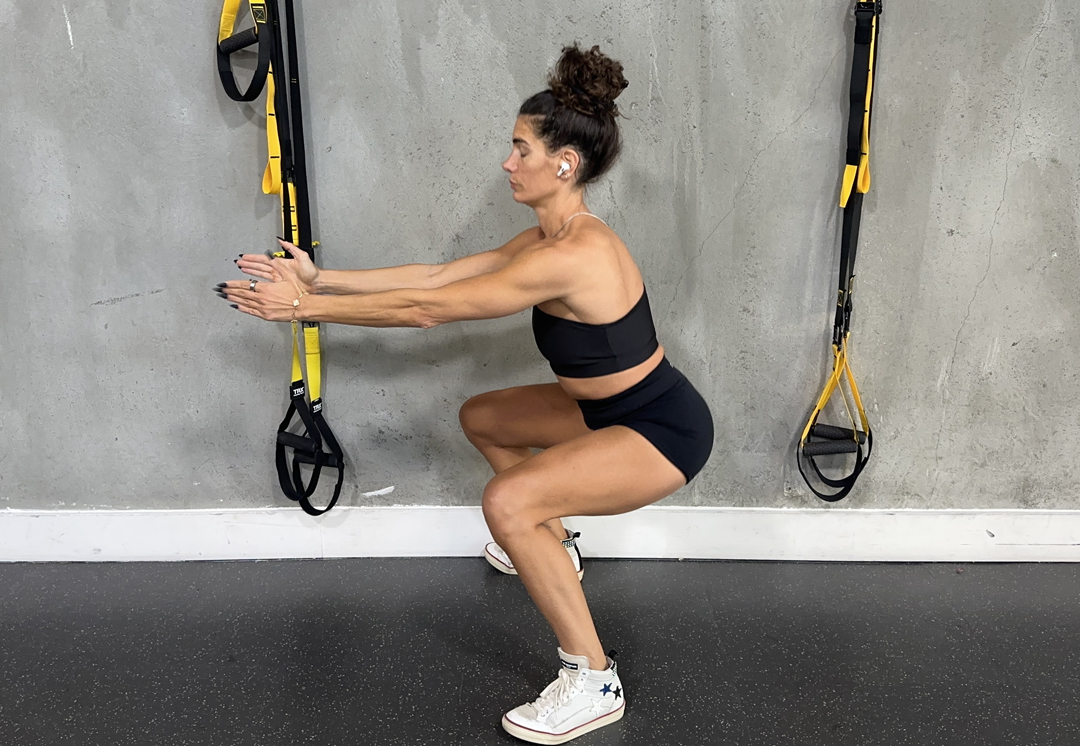
Sample workout routine (for beginners):

This routine is tailored to your fitness level. Always consult your doctor before starting any new exercise program. Aim for 2-3 sessions per week with rest days in between. As you get stronger, gradually increase the weight, reps, or sets each week. This is called progressive overload. Ideally, you want to increase your weight by 2.5 kg every 2-4 weeks. If increasing the weight isn’t an option, remember that you can also increase the reps to continue to challenge your body. Be sure to re-evaluate your program every 4-6 weeks and consider working with a certified personal trainer like myself for personalized guidance.
  • Warm-up (5-10 minutes): Light cardio such as jogging, brisk walking or cycling works well here.

Note: Perform exercises (3 sets of 10-12 reps each. Make sure you choose a weight that is hard enough for you with 12 reps).

  • Sumo Squats: Works legs and glutes. Focus on proper form by keeping your back straight, chest up and feet out from your hips. Then lower until your thighs are parallel to the ground. Lower the hips to ninety degrees, then return to a standing position. This is a representative.
  • Negative push-ups: It works the chest, shoulders and triceps. Keep a straight line from head to heels (or knees). Lower your chest to the ground and come back up in one quick motion using your knees. For beginners, you can do wall push-ups instead of negative push-ups.
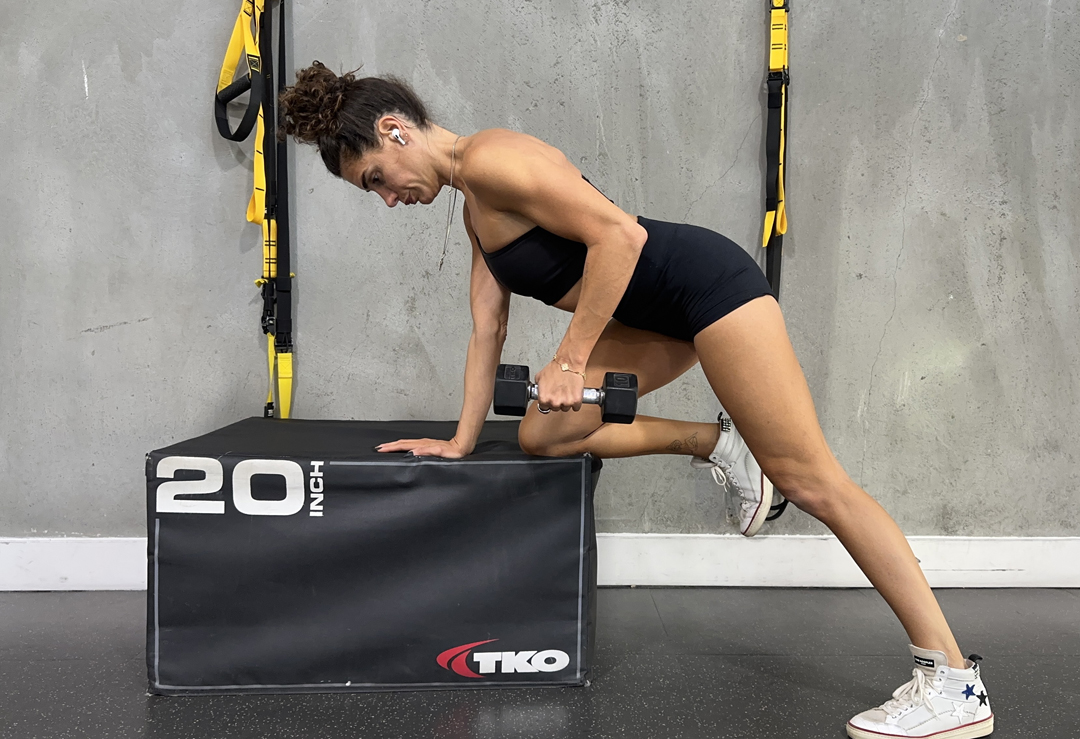
  • Bench or Chair DB Row: trains back and biceps. Keep your back straight and pull the weight toward your chest, squeezing your shoulder blades together. Make sure your chest is parallel to the bench. You can also do this exercise standing up with a band.
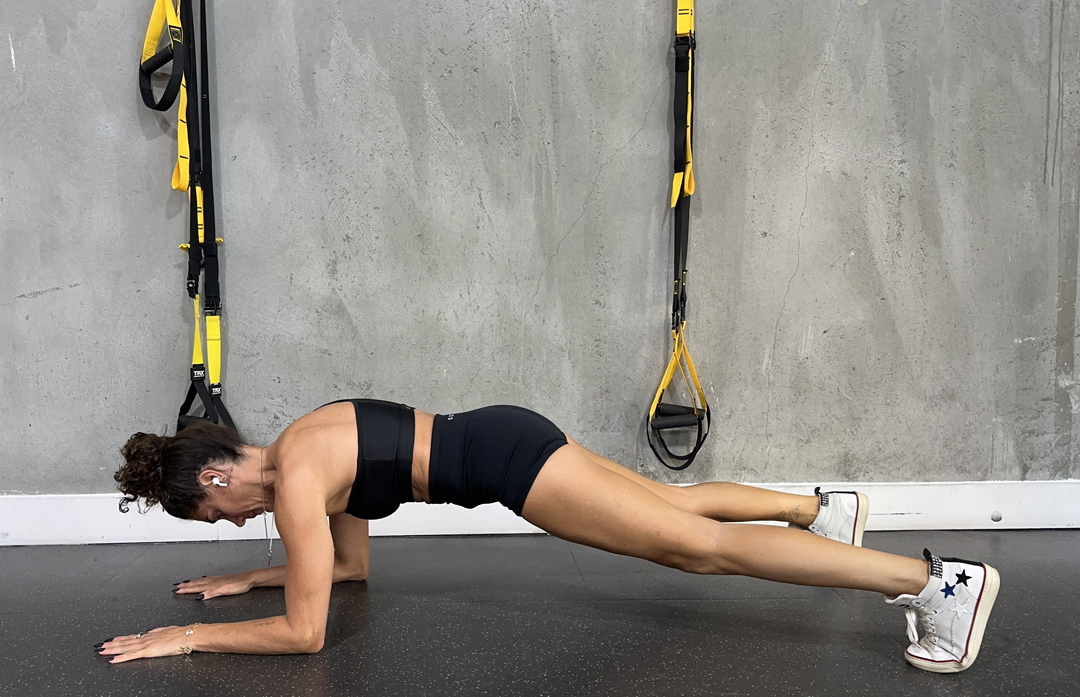
  • Plank: Works the core muscles. Maintain a straight line from head to heels, engaging your core. Keep the movement on your forearms and brace your core by rolling your pelvis down.
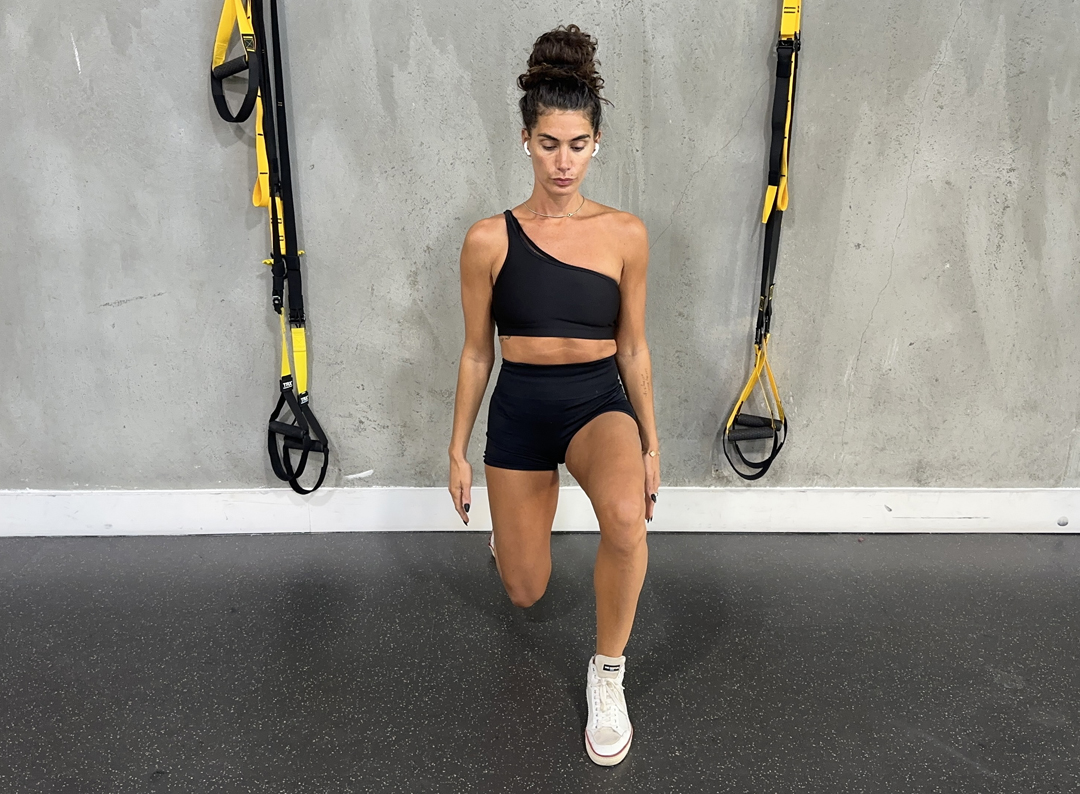
  • Forward drops: Works legs and glutes. Keep your front knee behind your toes and your back straight. Walk forward keeping your chest upright and keep your balance intact. If walking is too difficult, stay still and bend your knees to the ground while standing back.
Cooling (5-10 minutes): It is recommended to stretch like a cobra or pigeon pose. Hold each stretch for 20-30 seconds.

Dietary Recommendations

Focus on a balanced diet rich in protein, calcium and vitamin D to support muscle growth and bone health. Fiber intake is also extremely important for postmenopausal women, and you should aim for 20-25 grams of fiber per day to maintain proper gut health and help with weight management.

Additionally, adequate hydration is crucial for postmenopausal women. Individual needs may vary, but you should aim for 2 liters of water per day. Remember, you should prioritize nutrient density over strict calorie counting and include 3-4 oz. lean protein source, ½ cup of complex carbohydrates and 1-2 servings of green vegetables at each meal.
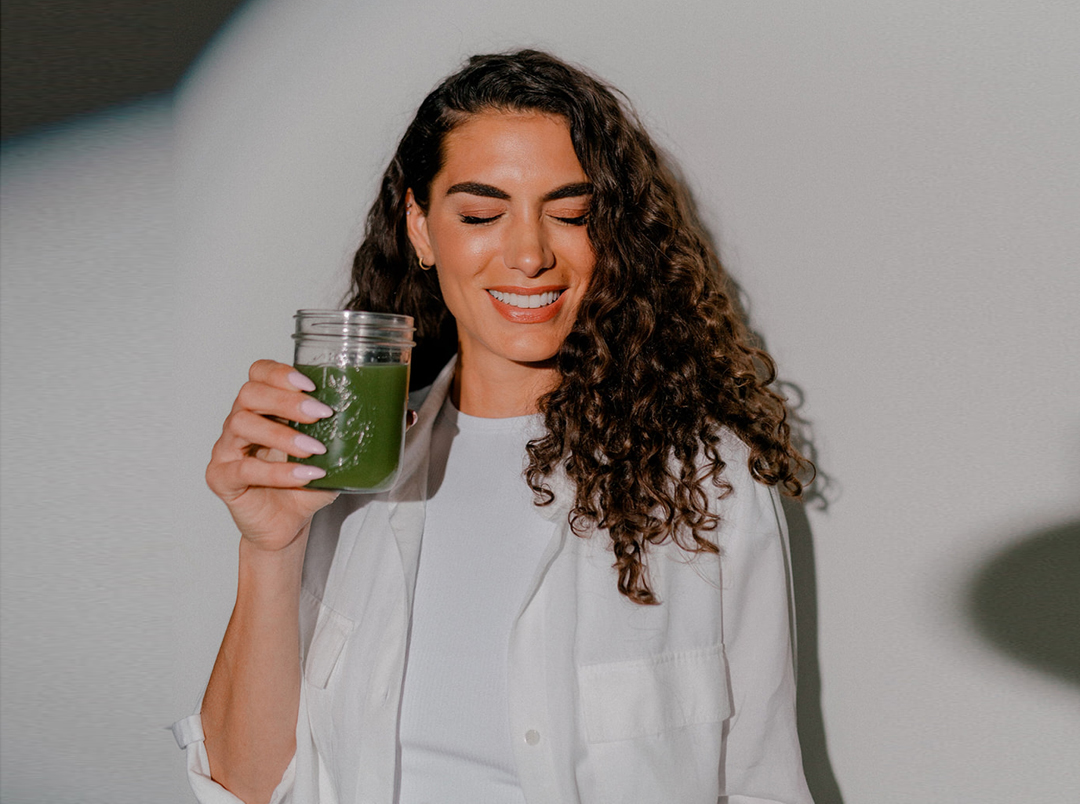
Sample Day of Eating (Focus on portion sizes and food groups):

  • Breakfast: Greek yogurt (1 cup) with berries (1/2 cup), chia seeds and almonds (a handful).
  • Midday snack: Fruit (apple, banana or orange) with ¼ cup walnuts (or a small handful).
  • Lunch: Large salad with grilled chicken or fish-like sardines (4-6 oz.), mixed greens, assorted vegetables, and a light vinaigrette.
  • Afternoon snack: 1 hard-boiled egg and 6 whole-wheat crackers or ½ cup cottage cheese with a sliced ​​peach.
  • Dinner: Baked salmon (4-6 oz.) with 1 cup roasted vegetables (broccoli, carrots, Brussels sprouts) and ¼ cup quinoa.
  • Evening snack (optional): A handful of berries or 2-3 squares of dark chocolate (70% cocoa or more).

Remember to aim for adequate protein intake (around 100g per day or 0.8-1g per kg of body weight, although this varies from person to person). Good sources of protein include lean meats, poultry, fish, eggs, dairy, beans and lentils. Some of my favorite complex carbs are sweet potatoes, brown rice, fruit, and quinoa. One should aim for 100-145 grams of carbohydrates per day. Try to eat a complete, balanced meal with plenty of protein and at least one serving of carbohydrates, especially in your pre- and post-workout meals!
Stress management

Prioritize stress management to optimize your training and get the best possible results. A practical place to start managing stress starts with your sleep! You should aim for 7-9 hours a night and practice stress management techniques such as meditation, yoga or breathing and cultivating social connections. These factors contribute greatly to your overall well-being, which will ultimately support your strength training routine and physique. When you master all these pillars of your health, the result will be improved physical strength, body composition, and a deep sense of well-being, confidence, and vitality at this beautiful stage of life.

Sources:

https://my.clevelandclinic.org/health/diseases/21837-postmenopause
https://www.webmd.com/menopause/health-after-menopause
https://www.sciencedirect.com/topics/medicine-and-dentistry/postmenopause
https://www.healthline.com/health/menopause/postmenopausal-health

About the author:

Amanda Hart has 16 years of experience as a certified trainer and nutritionist. Her work focuses on addressing health from a holistic perspective, combining strength training with sustainable routines, biohacking and the nervous system. She is certified through NASM and works with clients online and in person.

Visit her website at www.amandahartwellness.com to schedule a FREE consultation with her today!

Refusal
The Content is not intended to be a substitute for professional medical advice, diagnosis or treatment. Always seek the advice of your doctor or other qualified health care provider with any questions you may have about a medical condition.

Building losing postmenopausal Strength Training weight women
bhanuprakash.cg
healthtost
  • Website

Related Posts

What are the signs of nutritional deficiencies in hair, skin and nails? | The Wellness Blog

February 12, 2026

What is mental wellness and how does it differ from mental health?

February 11, 2026

Stress and weight in midlife

February 9, 2026

Leave A Reply Cancel Reply

Don't Miss
Nutrition

Why is the food pyramid being discussed (again).

By healthtostFebruary 12, 20260

With chronic disease showing no signs of slowing down, dietary guidelines have changed to focus…

Innovative methods detect aggressive prostate cancer

February 12, 2026

Sex doesn’t have to end when it’s over

February 12, 2026

How to Use Toner for Healthy, Glowing Skin • Kath Eats

February 12, 2026
Stay In Touch
  • Facebook
  • Twitter
  • Pinterest
  • Instagram
  • YouTube
  • Vimeo
TAGS
Baby benefits body brain cancer care Day Diet disease exercise finds Fitness food Guide health healthy heart Improve Life Loss Men mental Natural Nutrition Patients People Pregnancy protein research reveals risk routine sex sexual Skin study Therapy Tips Top Training Treatment ways weight women Workout
About Us
About Us

Welcome to HealthTost, your trusted source for breaking health news, expert insights, and wellness inspiration. At HealthTost, we are committed to delivering accurate, timely, and empowering information to help you make informed decisions about your health and well-being.

Latest Articles

Why is the food pyramid being discussed (again).

February 12, 2026

Innovative methods detect aggressive prostate cancer

February 12, 2026

Sex doesn’t have to end when it’s over

February 12, 2026
New Comments
    Facebook X (Twitter) Instagram Pinterest
    • About Us
    • Contact Us
    • Privacy Policy
    • Terms and Conditions
    • Disclaimer
    © 2026 HealthTost. All Rights Reserved.

    Type above and press Enter to search. Press Esc to cancel.